How to Prune Manchurian linden?
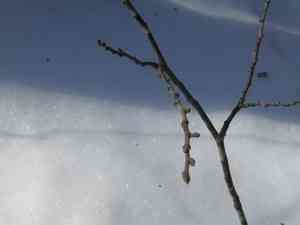
This deciduous tree, recognized for its appealing heart-shaped foliage and aromatic light yellow flowers, necessitates careful trimming to preserve its vitality and form. Key pruning methods for manchurian linden involve reducing dense branches, eliminating deceased or ailing wood, and shaping for visual appeal or to control dimensions. The ideal period for pruning is late winter or early spring, aligning with its dormant phase and before new shoots emerge. Pruning manchurian linden during this timeframe minimizes strain, encourages robust spring development, and refines the tree's inherent silhouette.
What Are the Benefits of Pruning Manchurian Linden?
What Are the Benefits of Pruning Manchurian Linden?
Trimming manchurian linden promotes robust development and helps maintain its desired form. Regular cutting eliminates dead wood, directing more energy to healthy branches and leaves, leading to a strong, well-structured tree.
What Is the Best Time for Pruning Manchurian Linden?
What Is the Best Time for Pruning Manchurian Linden?
Pruning manchurian linden from late winter to early spring is considered ideal, as it occurs just before new growth begins, typically in spring. This timing allows cuts to heal quickly without stressing the dormant tree, minimizing disease and pest risks that could arise from pruning during active growth or peak summer heat. Additionally, manchurian linden's structure is more visible without leaves, enabling more precise cuts and shaping. Pruning before the spring growth spurt also ensures the plant's energy is directed toward healing and developing new, healthy growth, rather than sustaining excessive or dead branches.
What Tools Do I Need to Prune Manchurian Linden?
Hand pruners
Perfect for making clean cuts on small branches and twigs of manchurian linden, ensuring minimal plant damage.
Loppers
Designed for cutting thicker branches that hand pruners can't manage, providing the necessary leverage for manchurian linden's larger limbs.
Pruning saw
Essential for even thicker branches of manchurian linden, where both hand pruners and loppers might be insufficient. A pruning saw handles the diameter with ease.
Pole pruner
Useful for reaching higher branches of manchurian linden without a ladder, enhancing gardener safety.
Hedge shears
Suitable for shaping and maintaining manchurian linden's dense foliage, allowing for uniform and attractive cuts.
How to Prune Manchurian Linden
Clean Tools
Before pruning manchurian linden, ensure all tools are clean and sharp. This prevents disease spread and allows for clean cuts that heal more efficiently.
Identify
Carefully inspect manchurian linden to locate dead or diseased branches. These should be your primary focus for pruning to maintain the plant's health and appearance.
Cut Technique
Employ the correct cutting method for removing branches on manchurian linden. Make cuts at a 45-degree angle, approximately a quarter inch above an outward-facing bud. This encourages healthy regrowth away from the center.
Remove Branches
Carefully remove dead and diseased branches from manchurian linden. Cut back to healthy tissue, being careful not to harm the branch collar, which can hinder the plant's natural healing process.
Dispose
Properly discard all removed material away from healthy plants to prevent the spread of any potential disease present on the dead or diseased branches of manchurian linden.
Common Pruning Mistakes with Manchurian Linden
Overpruning
Removing too much foliage or too many branches at once can stress manchurian linden, leading to poor growth or increased susceptibility to pests and diseases.
Improper Cut Locations
Cutting too close or too far from the node can create stubs that attract pests or disease, or damage the node and impede new growth.
Tearing Bark
Incorrect cutting angles can cause bark to tear, creating unnecessary wounds that can serve as entry points for disease.
Using Dull Tools
Pruning with dull tools can result in jagged cuts that heal slowly, increasing disease risk and affecting manchurian linden's overall health.
Ignoring Diseased Limb Removal
Failing to prioritize the removal of diseased, dead, or damaged limbs can allow problems to persist or spread throughout the plant.
Neglecting Sanitation
Not disinfecting pruning tools before and after use can lead to the spread of pest infestations and fungal diseases between plants.
Common Pruning Tips for Manchurian Linden
Clean Cuts
Ensure you use sharp, clean cutting tools to create smooth cuts that heal quickly, reducing disease risk and promoting rapid recovery.
Cut Angle
Prune at an angle that allows water to drain off the cut surface, preventing water accumulation and reducing the likelihood of disease.
Selective Pruning
Thinning out crowded branches through selective pruning allows light and air to penetrate the canopy, which is crucial for manchurian linden's overall health and growth.
Growth Direction
Prune just above an outward-facing bud to encourage growth in a desired direction, away from the plant's center.
Healing Time
Allow sufficient time for manchurian linden to heal after pruning. Avoid heavy pruning when the plant is preparing for dormancy or just beginning to break dormancy.
Incremental Pruning
For significant reshaping or size reduction, spread the pruning process over several seasons to minimize stress and shock to manchurian linden.
Watersprouts And Suckers
Regularly remove watersprouts and suckers, as they can drain energy from manchurian linden and do not contribute to its structural integrity or aesthetic form.



