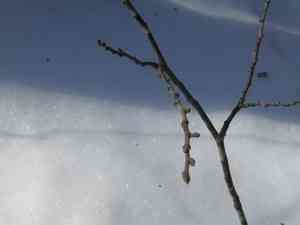
Manchurian linden (Tilia mandshurica)
Also known as: Mandchurian linden
The Manchurian linden (Tilia mandshurica) is a deciduous tree that typically reaches heights of up to 12 meters. Similar to its relatives, the American basswood and European linden, it is renowned for its fragrant yellow flowers that bloom in the summer. As autumn approaches, its leaves transition to a vibrant yellow before shedding for the winter, entering a dormant phase.
In This Article
Attributes of Manchurian linden
Lifespan
Perennial
Plant Type
Tree
Plant Height
20 m
Spread
10-15 meters
Leaf Color
Dark Green
Flower Size
7 mm to 8 mm
Flower Color
Yellow Green
Images of Manchurian linden
Quickly Identify Manchurian linden
1
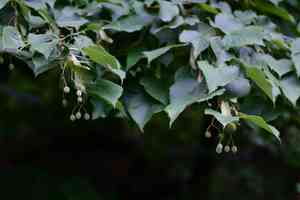
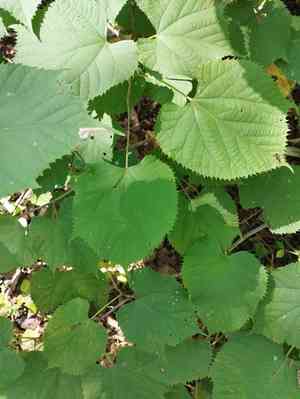
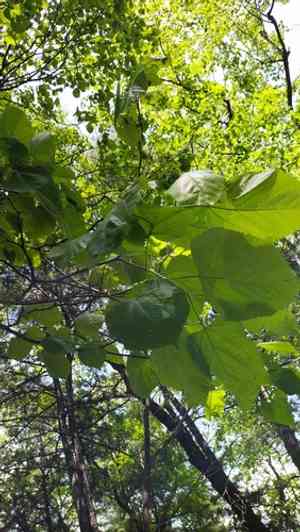
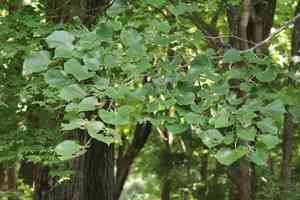
To identify Tilia mandshurica, look for its broad, heart-shaped leaves with serrated edges and a pointed tip. The leaves are typically dark green, while the flowers are small, yellowish-white, and fragrant. The tree produces small, round, and hairy fruits.
Scientific Classification of Manchurian linden
Phylum
Vascular plants
Class
Dicotyledons
Order
Mallows, rock-roses, and allies
Family
Mallow
Genus
Lindens
Species
Manchurian linden
Planting and Growing of Manchurian linden
Care Difficulty
Easy
Watering Schedule
Every 2 days
Sunlight Requirements
Partial sun
Sunshine Duration
4-8 hours
Ideal Temperature
59-77℉
Soil Type
Potting Mix, Peat Mix
Soil pH
6.5-7.5
Fertilizer Type
Balanced
Pruning Season
Spring, Summer
Pruning Area
Branches, Leaves
Pruning Frequency
2 times a year
Repotting Season
Spring
Pot Type
Plastic, Ceramic
 How to Water Manchurian linden?
For Tilia mandshurica, watering should be thorough but not excessive. Aim for about 1000 milliliters per session, ensuring the water reaches the deeper roots. The principle is to water until it slightly drips from the drainage holes, promoting healthy, deep root growth.
What are the symptoms of an underwatered Manchurian linden?
›
What should I do if my Manchurian linden is not getting enough water?
›
What are the symptoms of an overwatered Manchurian linden?
›
How to save an overwatered Manchurian linden?
›
 What Are the Sunlight Requirements for Manchurian linden?
Partial sunlight, ideally 4 to 6 hours daily, is best for Tilia mandshurica. This optimal light range promotes vigorous growth, lush leaf development, and a resilient structure that withstands various environmental challenges.
More About Sunlight Requirements Techniques→
What is the best lighting for Tilia mandshurica?
›
How can I achieve ideal lighting conditions?
›
What benefits does ideal lighting bring?
›
 What Is the Ideal Temperature Range for Manchurian linden?
The ideal temperature range for Tilia mandshurica is 59 to 77°F. During this range, the plant can efficiently carry out metabolic processes, ensuring proper growth and development. Maintaining temperatures in this range helps foster healthy foliage and flowering.
 What Soil is Best for Manchurian linden?
Tilia mandshurica thrives in well-drained soils that prevent waterlogging and promote healthy root growth. This is especially important because stagnant water can lead to root diseases and fungal infections, which can adversely affect the tree's growth and vitality. The addition of organic matter to the soil, such as compost or well-rotted manure, is beneficial for Tilia mandshurica. It not only provides essential nutrients but also improves soil structure, ensuring better aeration and moisture retention. Maintaining moderate soil moisture is key for Tilia mandshurica. While the tree requires consistent moisture, overly saturated conditions can hinder its development. Proper mulching and regular watering can help achieve the right balance.
 How to Fertilize Manchurian linden?
For Tilia mandshurica, the amount of fertilizer should be carefully measured to avoid overfeeding. Typically, for liquid fertilizers, use a dilution at half the recommended rate on the package. For slow-release fertilizers, a general guidance would be to apply approximately 50 grams per square meter. Adjust based on the plant's response and environmental conditions.
 How to Prune Manchurian linden?
Start by scouting for branches that are clearly dead, damaged, or diseased. Remove these completely to prevent the spread of any diseases and to improve air circulation within the canopy. Proceed to thin out crowded branches by cutting back to the main stem or a strong lateral branch. This helps in shaping the tree and controlling its size, ensuring it grows symmetrically and not over-bushy. To promote vigorous new growth and improve flowering, consider cutting back some branches to a healthy outward-facing bud. This encourages new shoots to grow, enhancing the tree's vitality.
More About Pruning Techniques→
 How to Propagate Manchurian linden plant?
1
Begin by collecting mature seeds from a healthy Tilia mandshurica. Ensure the seeds are dry and free from pests. This typically involves gathering seeds after they've naturally fallen during late summer into early autumn.
2
Create a seedbed using a mix of peat and sand for proper drainage. This ensures the seeds do not sit in water, which can lead to rot, and provides an aerated environment for germination.
3
Identify healthy, non-flowering stems on the parent plant for cuttings. Cut a segment about 10 cm long, ensuring it has several nodes. Remove any leaves from the lower half to promote rooting.
 How to Repot Manchurian linden plant?
1
It's time to repot your Tilia mandshurica when you notice the roots crowding out of the drainage holes, or if the soil is compacted and drains poorly. Additionally, if the plant seems to be growing slower despite proper care, it might be a sign that the roots need more space to breathe and spread out.
2
Select a pot that is 2-3 inches larger in diameter than the current one. Ensure it has adequate drainage holes to prevent waterlogging, which can lead to root rot. Using a slightly bigger pot helps accommodate root growth while providing stability for the emerging plant structure.
3
Opt for a rich, well-draining soil mix, which can be a combination of potting soil, compost, and perlite. This blend ensures that the plant gets sufficient nutrients while maintaining necessary soil aeration and drainage, avoiding water retention issues.



