How to Propagate Manchurian linden?
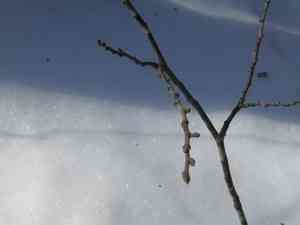
Native to Northeast Asia, Tilia mandshurica is most successfully propagated via cuttings, a technique ideal for preserving genetic uniformity. When choosing cuttings, select robust, pathogen-free shoots. Sever the ends directly beneath a node, apply rooting stimulant to foster development, and embed in a rich, well-draining substrate, ensuring sufficient humidity and warmth to aid root formation. Adhering to these precise measures will support the requirements of Tilia mandshurica, promoting successful rooting and proliferation.
Optimal Period for Propagating Manchurian Linden
Propagation Method
Cutting
Propagation Period
Autumn,Winter
Tools Required for Manchurian Linden Propagation
Sharp Pruning Shears
These shears are vital for making precise cuts from manchurian linden, which minimizes harm to the source plant and boosts the success rate of the cuttings. Keen blades prevent tearing and injury to plant tissues, essential for healing and root formation.
Rooting Hormone Powder
This hormone encourages root development from manchurian linden cuttings, increasing the likelihood of successful propagation. Dipping the cut end into the powder promotes faster root growth, crucial for manchurian linden's somewhat woody stems.
Sterile Potting Mix
A light, pathogen-free potting mix provides an ideal setting for manchurian linden cuttings to root. This medium ensures healthy root growth without the threat of soil-borne illnesses, especially beneficial during the delicate phase of root establishment.
Propagation Trays
These trays are used to arrange and maintain manchurian linden cuttings in a regulated environment. They aid in even moisture distribution and offer ample room for developing roots, preventing congestion that can lead to fungal issues and poor air circulation.
Plastic Covers
Covering propagation trays with plastic helps maintain high humidity, which is critical for manchurian linden cuttings to prevent moisture loss and wilting. High humidity creates a greenhouse effect, significantly improving rooting success.
Misting Spray Bottle
A misting spray bottle is used to gently water manchurian linden cuttings without disturbing their position or compacting the soil. Regular misting helps maintain optimal humidity levels, mimicking the moist conditions manchurian linden cuttings need to root effectively.
How to Propagate Manchurian Linden?
Propagation Difficulty
Moderately Difficult
Caring for Your Newly Propagated Manchurian Linden
Caring for Your Newly Propagated Manchurian Linden?
Once manchurian linden cuttings have rooted successfully, gradually introduce them to less humid conditions before transplanting them to their permanent spot. Select a location with full sun to partial shade and well-draining soil. Water consistently to keep the soil moist, especially during dry periods. As manchurian linden matures, prune in late winter to maintain its form and health. Regularly inspect for pests and diseases, particularly those common to lindens, and treat as needed to ensure robust growth.
Common Errors to Avoid When Propagating Manchurian Linden
Insufficient moisture control
Improper moisture levels during manchurian linden propagation can lead to root rot or drying out. Excessive moisture can suffocate developing roots, while too little can dehydrate them.
Overuse of rooting hormone
Applying too much rooting hormone can harm the delicate tissues of manchurian linden cuttings, rather than promoting root development, potentially causing cuttings to fail.
Neglecting parent plant health
Taking cuttings from unhealthy parent plants can compromise the health and vigor of propagated manchurian linden, as cuttings inherit the parent's health status.
Planting cuttings too deep
Inserting manchurian linden cuttings too deeply into the soil can reduce oxygen availability to the cutting's base, hindering root growth and development.
Overcrowding cuttings
Placing manchurian linden cuttings too close together can restrict air circulation and light penetration, increasing the risk of fungal diseases and poor growth.
Advice for Propagating Manchurian Linden
Cutting selection
Choose healthy, semi-hardwood cuttings from manchurian linden that are free of pests and diseases to improve the chances of successful rooting and vigorous growth.
Rooting medium preparation
Prepare a well-draining, sterile propagation medium for manchurian linden cuttings to prevent waterlogging and minimize the risk of soil-borne pathogens.
Rooting hormone application
Apply an appropriate amount of rooting hormone to manchurian linden cuttings to stimulate root growth without causing damage to the plant tissue.
Cutting placement
Place manchurian linden cuttings at an appropriate depth and space them evenly to ensure sufficient access to oxygen, thus enhancing root formation and plant health.
Environmental control
Maintain a consistent and suitable environment around manchurian linden cuttings, with controlled humidity and temperature, to support the rooting process and ensure optimal growth.



