How to Prune Vogel's tephrosia?
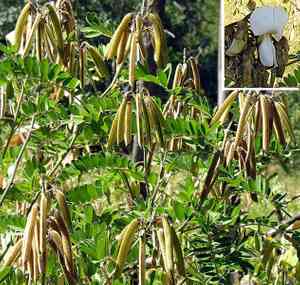
Vogel's tephrosia, a leguminous shrub, is recognized for its biologically active constituents and capacity to fix nitrogen. Trim vogel's tephrosia during the latter part of winter or early spring to stimulate robust development and sculpt its form. Concentrate on excising lifeless or ailing branches and reducing dense sections to improve air movement. Consistent trimming fosters more vibrant foliage, manages the plant's dimensions, and elevates its resilience against pests and illnesses. Employing sanitized implements averts contamination and contributes to the general health of this variety.
What Are the Benefits of Pruning Vogel's Tephrosia?
What Are the Benefits of Pruning Vogel's Tephrosia?
Trimming vogel's tephrosia aids robust development by eliminating dead or ailing limbs, maintaining its form, and preventing congestion. This fosters vigorous growth, boosts blooming, and lessens vulnerability to pests and illnesses.
What Is the Best Time for Pruning Vogel's Tephrosia?
What Is the Best Time for Pruning Vogel's Tephrosia?
Trimming vogel's tephrosia in early spring and late winter is optimal as it aligns with the plant's dormant period. During this phase, vogel's tephrosia is not actively growing, which minimizes stress and potential harm. Furthermore, pruning before the start of the growing season helps encourage healthy new growth and improves flowering or fruiting. These periods facilitate better air circulation and light penetration within the plant structure, supporting overall plant vitality and reducing disease risk.
What Tools Do I Need to Prune Vogel's Tephrosia?
Hand Pruners (Bypass Pruners)
Hand pruners are perfect for cutting small branches and stems of vogel's tephrosia. The bypass design provides a clean cut, crucial for maintaining plant health by lowering the chance of disease entry.
Loppers
Loppers are suitable for severing thicker branches of vogel's tephrosia that are too large for hand pruners. Their long handles offer increased leverage, simplifying cuts without harming the plant.
Pruning Saw
For mature vogel's tephrosia plants with more substantial branches, a pruning saw is essential. It enables precise cutting of branches too thick for hand pruners or loppers.
Gloves
Wearing gardening gloves is vital to safeguard your hands while pruning vogel's tephrosia. The gloves ensure a firm grip and protect your skin from potential thorns or rough stems.
How to Prune Vogel's Tephrosia
Inspection
Examine vogel's tephrosia for any indications of diseased or withered foliage. Look for discoloration or other signs of poor health.
Sanitization
Disinfect pruning tools with a solution of one part bleach to nine parts water to prevent the spread of any potential diseases.
Removal
Carefully take off the diseased leaves by cutting them at their base. Make clean cuts to avoid damaging the healthy sections of the plant.
Cleanup
Dispose of the removed leaves away from the garden area to prevent any potential disease transmission.
Monitoring
Regularly observe vogel's tephrosia for new signs of disease or wilting, repeating the inspection and removal process as needed.
Common Pruning Mistakes with Vogel's Tephrosia
Improper Cutting Techniques
Using dull or unsuitable pruning tools can crush or tear plant tissues, making it harder for vogel's tephrosia to recover and increasing disease risk.
Pruning Too Much
Removing excessive foliage at once can stress vogel's tephrosia, diminishing its capacity to photosynthesize and grow correctly.
Incorrect Timing
Pruning at the wrong time of year can disrupt vogel's tephrosia's natural growth cycle, leading to poor blooming and potential plant stress.
Ignoring Plant Health
Failing to sanitize tools between cuts can transmit diseases, and not removing diseased or dead branches can leave vogel's tephrosia vulnerable to infections.
Common Pruning Tips for Vogel's Tephrosia
Use Sharp and Clean Tools
Ensure your pruning shears or loppers are sharp and disinfected. Clean cuts help vogel's tephrosia heal quicker and reduce disease risk.
Prune Gradually
Remove no more than one-third of the plant's foliage at a time. This allows vogel's tephrosia to recover and continue healthy growth.
Focus on Dead or Diseased Wood
Begin by removing any dead or diseased branches. This encourages new growth and prevents disease spread.
Encourage Air Circulation
Thin out crowded branches to improve air circulation within vogel's tephrosia. This can lessen the risk of fungal infections and promote overall plant health.
Shape to Maintain Structure
Pruning should enhance vogel's tephrosia's natural shape and structure. Aim to balance aesthetics with health, removing awkward or crossing branches.



