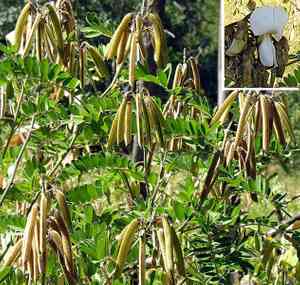
Vogel's tephrosia (Tephrosia vogelii)
Also known as: Fish-bean
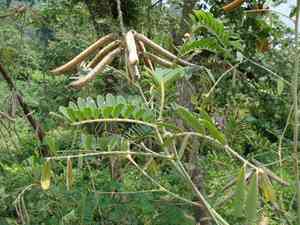
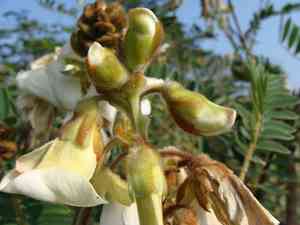
Tephrosia vogelii is a semi-woody, densely foliated herb that typically reaches heights between 0.5 and 4 meters. The plant's stems and branches are covered in a mix of short and long hairs, which can be either white or rusty brown. Its leaves are pinnate, featuring multiple oblong leaflets that extend from the stems. The plant also produces distinctive seed pods, which play a crucial role in its reproductive cycle by housing and eventually releasing the seeds.
In This Article
Attributes of Vogel's tephrosia
Lifespan
Perennial
Plant Type
Herb, Shrub
Plant Height
50 cm to 4 m
Spread
3 m
Leaf Color
Green
Flower Size
2.5 cm
Flower Color
White Purple
Images of Vogel's tephrosia
Quickly Identify Vogel's tephrosia
1
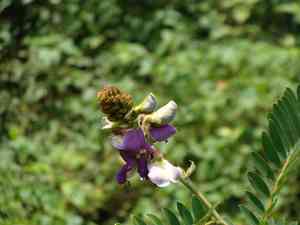
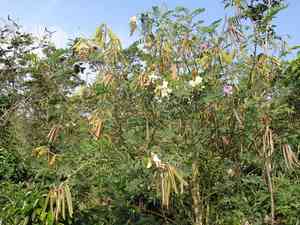
Tephrosia vogelii can be identified by its pinnate leaves with numerous oblong leaflets, raceme-like inflorescences of purple or pink flowers, and pod-like fruits. The plant typically grows as a shrub.
Scientific Classification of Vogel's tephrosia
Phylum
Vascular plants
Class
Dicotyledons
Order
Fabales
Family
Legume
Genus
Hoarypeas
Species
Vogel's tephrosia
Planting and Growing of Vogel's tephrosia
Care Difficulty
Moderate
Watering Schedule
Every 2 days
Sunlight Requirements
Full sun
Sunshine Duration
4-8 hours
Ideal Temperature
68-77℉
Soil Type
Potting Mix, Peat Mix
Soil pH
5.5-7.5
Fertilizer Type
Balanced
Pruning Season
Spring, Summer
Pruning Area
Branches, Leaves
Pruning Frequency
2 times a year
Repotting Season
Spring
Pot Type
Plastic, Ceramic
 How to Water Vogel's tephrosia?
Water Tephrosia vogelii until the soil is moist but not waterlogged. Ensure that the water penetrates through the root zone, providing about 500 ml per application. The goal is to reach a balance where the plant gets sufficient moisture without sitting in water.
What are the symptoms of an underwatered Vogel's tephrosia?
›
What should I do if my Vogel's tephrosia is not getting enough water?
›
What are the symptoms of an overwatered Vogel's tephrosia?
›
How to save an overwatered Vogel's tephrosia?
›
 What Are the Sunlight Requirements for Vogel's tephrosia?
Tephrosia vogelii benefits from a balance of full sun to partial sun. Adequate sunlight is essential for robust foliage and a thriving plant, while excess or deficiency can hinder growth and health.
What is the best lighting condition for Tephrosia vogelii?
›
How can you provide ideal light for Tephrosia vogelii?
›
What benefits does Tephrosia vogelii receive under ideal lighting?
›
 What Is the Ideal Temperature Range for Vogel's tephrosia?
Tephrosia vogelii thrives best in temperatures between 68°F and 77°F. This range provides the perfect balance of warmth for photosynthesis and other physiological activities. Ensuring the plant is kept within this temperature band can lead to optimal growth and health, allowing it to develop strong foliage and robust root systems.
 What Soil is Best for Vogel's tephrosia?
Tephrosia vogelii requires soil that can drain excess water efficiently to prevent root rot. Well-draining soil ensures healthy root development and robust growth, as it prevents water stagnation and subsequent fungal infections. This plant thrives in soil abundant with essential nutrients, fostering lush foliage and vigorous growth. Nutrient-rich soil supports the plant by supplying essential macronutrients and micronutrients necessary for its metabolic processes. Incorporating moderate organic matter into the soil composition enhances the plant's growth environment by improving soil structure and water retention. This organic matter decomposition also supplies essential nutrients gradually.
 How to Fertilize Vogel's tephrosia?
For Tephrosia vogelii, it's ideal to use a balanced nitrogen, phosphorus, and potassium (NPK) fertilizer in the ratio of 10-10-10. Use about 100 grams per square meter during the growing season. Be careful not to overdo it, as these plants prefer modest nutrient levels.
 How to Prune Vogel's tephrosia?
Begin by removing any dead or damaged branches. Make clean cuts at a 45-degree angle just above a leaf node. Aim to thin out the center for better light and air circulation, and trim away any stems that don't align with the desired shape of the plant. After pruning, water the plant adequately to help it recover from the stress. Consider applying a balanced, organic fertilizer to promote new growth and ensure the plant remains healthy and vigorous.
More About Pruning Techniques→
 How to Propagate Vogel's tephrosia plant?
1
Fill the seed tray with a seed-starting mix, then evenly scatter the seeds over the surface. Lightly cover the seeds with a thin layer of soil. Keep the soil moist but not waterlogged.
2
Select a healthy, non-flowering stem about 10cm long. Remove the lower leaves and make a clean cut just below a node. Dip the cut end in rooting hormone.
3
Place the cuttings into a pot filled with a mixture of sand and peat. Firm the soil around the cutting. Water lightly and cover with a plastic bag to maintain humidity.
 How to Repot Vogel's tephrosia plant?
1
Watch for signs like roots growing through the drainage holes, reduced growth, or the plant becoming top-heavy. Tephrosia vogelii appreciates repotting when new growth starts in spring, allowing it to settle in its new space with new vigor.
2
Opt for a pot that is one size larger than the current one, with good drainage holes. This balance prevents root rot by offering adequate space for growth without waterlogging issues, ensuring healthy development.
3
Select a well-draining sandy mix rich in organic matter; this type provides balanced nutrients and prevents water retention. The blend keeps roots healthy, avoiding common issues like root rot and encouraging vibrant growth.
Toxicity
Ingestion, Contact
WARNING
The judgment on toxicity and danger is for reference only. We DO NOT GUARANTEE any accuracy of such judgment. Therefore, you SHALL NOT rely on such judgment. It is IMPORTANT TO SEEK PROFESSIONAL ADVICE in advance when necessary.



