How to Prune Flameflower?
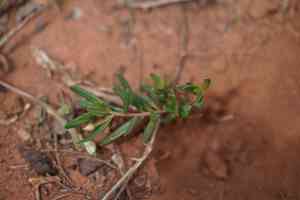
Recognized for its vivid blossoms and fleshy leaves, flameflower flourishes with regular trimming to foster denser development and improved flowering. Perform a light trim in early spring to encourage fresh shoots. During the summer and autumn, removing faded blooms preserves its appearance and encourages ongoing flowering. Make sure cuts are clean to avoid harm. Trimming not only sculpts flameflower but also revitalizes the plant, rendering it a crucial activity for sustaining its health and vitality.
What Are the Benefits of Pruning Flameflower?
What Are the Benefits of Pruning Flameflower?
Trimming flameflower promotes robust development and maintains its compact, appealing form. Regular cutting can stimulate more vibrant blossoms and prevent wasted energy, ensuring strong plant vitality.
What Is the Best Time for Pruning Flameflower?
What Is the Best Time for Pruning Flameflower?
Pruning flameflower during Spring, Summer, and Fall aligns with its active growth phases, facilitating optimal plant health and vigor. In Spring, pruning helps shape flameflower and encourages robust, fresh growth by removing any winter damage. Summer pruning is beneficial for managing size and improving air circulation within flameflower's foliage, which can help prevent diseases. Trimming in Fall focuses on removing spent flowers and any diseased or dead foliage, preparing flameflower for winter and reducing potential pest or disease issues. Avoiding winter pruning prevents harm to flameflower during its dormant phase when it is less able to heal from cuts.
What Tools Do I Need to Prune Flameflower?
Hand Pruners
Perfect for making neat and accurate cuts on the thinner, delicate stems of flameflower. Hand pruners will prevent damage to the fragile stem structure.
Gardening Scissors
Useful for snipping soft, non-woody parts of flameflower. They allow for precise shaping and control, making them perfect for deadheading and shaping the plant.
How to Prune Flameflower
Clean pruning tools
Sanitize your pruning tools before use to prevent the spread of disease. Use a disinfectant or a solution of 1 part bleach to 9 parts water to wipe the blades of your shears. This is crucial to ensure clean cuts and to avoid infecting flameflower with pathogens.
Remove diseased materials
Identify and remove any diseased or dead leaves from flameflower. Carefully snip these leaves at their base, close to the main stem, using sharp, sterilized pruning shears. Diseased leaves can often be distinguished by discoloration or spots.
Prune dead branches
Cut back any dead or diseased branches on flameflower. Remove branches that show signs of decay or disease, making cuts at a 45-degree angle a few inches above a healthy bud or node. This encourages the growth of new, healthy branches.
Thinning
Thin out dense areas to improve light penetration and air circulation within flameflower's foliage. Selectively remove some of the new growth or overcrowded branches to reduce density. Ensure to evenly space the remaining branches to promote a balanced structure.
Clean up
Collect and dispose of all removed material (diseased leaves, dead branches). Do not compost these materials if they are diseased, as this could spread pathogens. Thoroughly clean and disinfect your tools after finishing your pruning session to prevent future disease transmission.
Common Pruning Mistakes with Flameflower
Overpruning
Removing too much foliage from flameflower can significantly stress the plant, leading to reduced vigor and fewer blooms. It's crucial not to cut back more than one-third of the plant at any one time.
Improper cutting technique
Using dull or dirty tools can damage flameflower's stems, potentially leading to disease entry. Always use sharp, clean pruning shears for clean cuts.
Pruning healthy growth
Removing healthy stems and leaves can be counterproductive. Focus pruning on dead or diseased growth and overgrown areas to improve light penetration and air circulation without sacrificing healthy parts.
Common Pruning Tips for Flameflower
Cleanliness
Before starting, ensure that all pruning tools are clean and sharp to make precise cuts and prevent the spread of diseases to flameflower.
Selective thinning
Instead of cutting back large sections, selectively thin out overcrowded stems. This promotes better air circulation and light exposure, which are crucial for the health and blooming of flameflower.
Post-bloom care
After flameflower has finished flowering, trim back the flowered stems to encourage a second bloom or to maintain plant shape and compactness. Focus on the oldest stems to rejuvenate the plant.



