How to Propagate Flameflower?
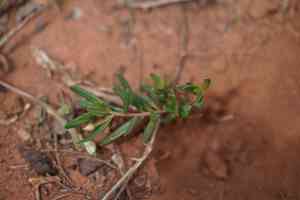
Flameflower flourishes when reproduced via cuttings, a technique well-suited to its vigorous growth patterns. Gardeners should prioritize choosing robust stems, preferably during periods of active development, making sure the severed ends are clean and slightly hardened prior to insertion. Placing them directly into a porous soil blend encourages quicker root formation. Consistent irrigation, avoiding waterlogging, greatly improves the propagation's success.
Optimal Time for Flameflower Propagation
Propagation Method
Cutting
Propagation Period
Spring,Summer
Tools for Flameflower Propagation
Sharp pruning shears
These are crucial for making clean, precise cuts when propagating flameflower via cuttings. Clean cuts help prevent disease and improve rooting success. Sharp blades minimize damage to the parent plant, aiding faster recovery.
Rooting hormone powder
Applying rooting hormone to the base of flameflower cuttings significantly boosts the chances of successful root formation. This hormone encourages root development, shortening propagation time and increasing the success rate of cuttings taking root.
Sterilized potting mix
A sterile, well-draining potting mix offers an ideal environment for flameflower cuttings to establish roots. It prevents the growth of harmful bacteria or fungi that could harm developing roots. A mix with perlite or vermiculite helps maintain proper moisture and drainage.
Small pots or trays
These containers hold the potting mix and flameflower cuttings during the rooting phase. Using small pots or trays helps manage moisture levels more effectively, which is critical for the initial stages of root development.
Plastic covers or mini greenhouses
Creating a humid environment around flameflower cuttings can accelerate root development and boost propagation success. These covers or mini greenhouses help retain moisture and warmth, providing an ideal microclimate for root growth.
How to Propagate Flameflower?
Propagation Type
Easy
Caring for Newly Propagated Flameflower
Caring for Newly Propagated Flameflower
Once flameflower cuttings have developed a strong root system and show new growth, gradually introduce them to less humid conditions over a week before fully removing the plastic cover. Keep the soil slightly moist and provide the flameflower plants with bright, indirect light. Avoid direct sunlight, as it can scorch young plants. Regular watering, along with monthly feeding with a balanced, water-soluble fertilizer during the growing season, will help maintain the health and vibrancy of the propagated flameflower plants.
Common Propagation Mistakes for Flameflower
Overwatering
Excessive watering is a common problem when propagating flameflower, potentially leading to root rot and fungal infections. This can compromise root health and hinder growth.
Deep planting
Planting flameflower cuttings or seeds too deeply can impede their ability to sprout and root correctly. This restricts their access to essential oxygen and can result in poor or failed propagation.
Neglecting light requirements
Failing to provide adequate light for flameflower during propagation can significantly impact its growth. Insufficient light often leads to weak, leggy growth that struggles to thrive.
Tips for Propagating Flameflower
Use well-draining soil
To prevent waterlogging and related issues, it is essential to use well-draining soil for propagating flameflower. This encourages healthy root development and prevents fungal diseases.
Moderate watering
Ensure a balanced watering schedule; keep the soil moist but not saturated. Proper moisture levels are vital for stimulating root growth without causing rot.
Provide bright, indirect light
Ensuring that flameflower receives bright, indirect light will promote robust growth. Direct sunlight can be too harsh, while too little light can weaken the plant.



