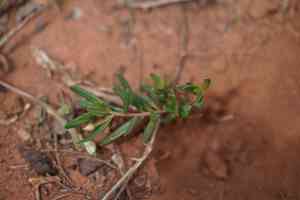
Flameflower (Talinum caffrum)
Also known as: Caffrum Jewels, African Talinum
The Flameflower, also known as Talinum paniculatum, is well-suited to arid environments due to several distinctive features:
1. **Water-Storing Leaves**: Its thick, fleshy leaves store water, allowing it to endure prolonged dry periods.
2. **Robust Stalk**: A sturdy stalk supports the plant and aids in moisture retention.
3. **Small, Colorful Flowers**: These blooms attract pollinators, promoting biodiversity in its habitat.
4. **Bushy Growth**: This growth pattern enhances its resilience and visual appeal in dry landscapes.
These traits collectively enable the Flameflower to prosper in challenging, arid conditions.
In This Article
Attributes of Flameflower
Lifespan
Perennial
Plant Type
Herb
Plant Height
30-60 cm
Spread
20-35 cm
Leaf Color
Green
Flower Size
1-2 cm
Flower Color
Pink, Purple
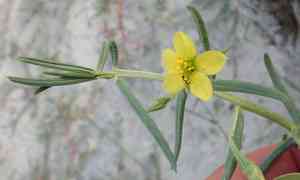
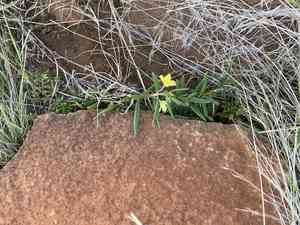
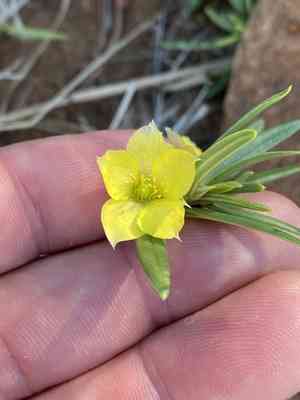
Images of Flameflower
Quickly Identify Flameflower
1
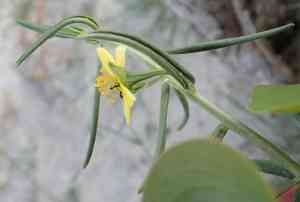
To identify Talinum caffrum, look for fleshy, succulent leaves that are typically oval to spoon-shaped. The plant produces small, star-shaped flowers in shades of pink and purple. The flowers usually bloom on slender, upright stems.
Scientific Classification of Flameflower
Phylum
Vascular plants
Class
Dicotyledons
Order
Caryophyllales
Family
Fameflower
Genus
Fameflowers
Species
Flameflower
Planting and Growing of Flameflower
Care Difficulty
Easy
Watering Schedule
Every 3 days
Sunlight Requirements
Full sun
Sunshine Duration
4-6 hours
Ideal Temperature
65-77℉
Soil Type
Potting Mix, Peat Mix
Soil pH
6.5-7.5
Fertilizer Type
Balanced
Pruning Season
Spring, Summer
Pruning Area
Branches, Leaves
Pruning Frequency
2 times a year
Repotting Season
Spring
Pot Type
Plastic, Ceramic
 How to Water Flameflower?
Talinum caffrum requires a moderate watering approach. It's best to allow the topsoil to dry between waterings, ensuring that the soil is moist but never waterlogged. Aim to provide around 150 ml of water per session, spreading it evenly across the soil surface to maintain a healthy moisture balance.
What are the symptoms of an underwatered Flameflower?
›
What should I do if my Flameflower is not getting enough water?
›
What are the symptoms of an overwatered Flameflower?
›
How to save an overwatered Flameflower?
›
 What Are the Sunlight Requirements for Flameflower?
Talinum caffrum flourishes best under conditions of full sun to partial sun, benefitting immensely from daily exposure of around 4 to 8 hours. This light range supports optimal growth, vibrant blooms, and healthy foliage, enhancing its overall vitality.
How much sunlight does Talinum caffrum need?
›
What are the solutions to achieve ideal lighting?
›
What are the benefits of ideal lighting for Talinum caffrum?
›
 What Is the Ideal Temperature Range for Flameflower?
The ideal temperature range for growing Talinum caffrum is between 65°F and 77°F. Within this range, the plant experiences optimal growth and development conditions. The warmth allows metabolic processes to proceed efficiently, supporting healthy foliage and flowering.
 What Soil is Best for Flameflower?
Talinum caffrum thrives in well-drained soil, which prevents root rot by allowing excess water to escape. This is crucial for maintaining healthy roots and avoiding common issues associated with waterlogged conditions. While Talinum caffrum doesn't demand overly rich soil, moderate fertility ensures that it gets adequate nutrients. This balance aids in vibrant growth and flowering without the excess foliage often brought on by highly fertile soils. A soil pH between 6.5 and 7.5 is ideal for Talinum caffrum, as it allows for optimal nutrient uptake. This pH range prevents nutrient lockout, ensuring the plant has everything it needs to flourish.
 How to Fertilize Flameflower?
For Talinum caffrum, a balanced approach to fertilization is crucial. Typically, you should apply half-strength liquid fertilizer to prevent nutrient overload, ensuring the plant receives optimal nutrition. A quarter of the recommended amount for indoor plants is usually sufficient for outdoor varieties, encouraging strong and healthy growth.
 How to Prune Flameflower?
Start by identifying dead or damaged stems as these should be removed first to allow the plant to focus its energy on healthy growth. Trim about a third of the plant’s length, cutting just above a leaf node to encourage bushier growth. Be cautious not to over-prune as it can lead to stunted growth or even dieback. Regular pruning maintains the aesthetic shape and promotes healthier, sturdier growth in Talinum caffrum. Consistently check for any wild or leggy growth and trim them back to retain a compact bushy shape. This not only improves appearance but also allows better air circulation, reducing the risk of fungal diseases.
More About Pruning Techniques→
 How to Propagate Flameflower plant?
1
To propagate by seeds, first collect ripe seeds from the plant. This involves waiting until pods are dry and brown, indicating maturity. Make sure to handle seeds carefully to avoid damaging them during collection.
2
Select healthy, disease-free branches for cuttings. Each cutting should be about 4-6 inches long. Trim each cutting just below a node to encourage root development once planted in growing medium.
3
During division, carefully excavate the plant and separate the roots into sections. Ensure each division has sufficient roots and shoots to survive independently. Immediately replant each division into appropriate soil.
 How to Repot Flameflower plant?
1
Talinum caffrum typically needs repotting when you notice roots outgrowing the container or poor drainage indicating compacted soil. It's best to do this in spring or early summer when the plant is in its active growth phase. This timing allows the plant to recover more rapidly in the new pot.
2
Choose a pot that's just slightly larger than the current one. It's crucial to ensure good drainage, so a pot with several drainage holes is ideal. A slightly bigger pot encourages healthy root expansion without overwhelming the plant in excess soil.
3
Opt for a well-draining sandy soil mix for repotting. This helps prevent water retention, thereby reducing the risk of root rot. Adding some perlite or coarse sand can improve aeration, benefiting roots and enhancing plant vitality.



