How to Prune Longleaf aster?
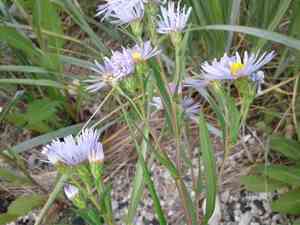
This resilient perennial is recognized for its vivid blossoms and spear-shaped foliage. Trim longleaf aster from late winter through early spring to encourage robust development and prolific blooming. Concentrate on eliminating deceased or injured stalks, and shorten elongated growth to preserve its form. Consistent trimming improves air movement, lowering the chance of disease. Employ disinfected implements to avert contagions, guaranteeing the plant stays strong and appealing throughout the year.
What Are the Benefits of Pruning Longleaf Aster?
What Are the Benefits of Pruning Longleaf Aster?
Trimming longleaf aster encourages robust development, maintains an appealing form, enhances air circulation, and deters common pests and illnesses. Regular trimming ensures longleaf aster remains healthy, visually pleasing, and manageable in size.
What Is the Best Time for Pruning Longleaf Aster?
What Is the Best Time for Pruning Longleaf Aster?
Trimming longleaf aster in late winter and early spring is advisable as this period precedes the plant's active growth phase. By pruning at this time, cultivators can foster vigorous new growth, ensure optimal blooming, and lessen the likelihood of disease. Pruning just before new growth appears allows the plant to recuperate swiftly and produce an abundant floral display. This timing also helps prevent undue stress to the plant and minimizes the risk of cold damage to recently pruned areas.
What Tools Do I Need to Prune Longleaf Aster?
Hand Pruners
Crucial for making accurate cuts on longleaf aster's stems and branches, promoting healthy regrowth. Suitable for smaller branches.
Bypass Pruners
Excellent for achieving clean cuts without crushing the stem, which is vital for maintaining plant vitality.
Loppers
Useful for cutting thicker branches that hand pruners cannot manage, typically up to 1.5 inches in diameter.
Pruning Saw
Required for larger branches or stems too substantial for loppers, ensuring a clean cut to prevent harm.
Hedge Shears
Perfect for shaping and trimming longleaf aster to preserve its desired form and aesthetic appeal.
How to Prune Longleaf Aster
Inspect
Carefully examine longleaf aster for indications of diseased or withered foliage. Look for discoloration, spots, or any other signs of poor health.
Sanitize
Disinfect pruning shears with a solution of one part bleach to nine parts water to prevent the spread of pathogens.
Trim
Carefully remove diseased leaves by cutting close to the stem's base, ensuring you do not harm healthy parts of longleaf aster. Dispose of these leaves in a sealed bag to prevent disease transmission.
Withered
Similarly, remove all withered leaves by making clean cuts just above a healthy leaf node or stem. This minimizes shock to longleaf aster and encourages new development.
Cleanup
After pruning, clear all debris from around longleaf aster and dispose of it properly. This helps reduce the risk of fungal infections or pest infestations.
Common Pruning Mistakes with Longleaf Aster
Over-pruning
Removing too much of the plant at once can stress longleaf aster, leading to reduced blooming and potentially stunted development.
Wrong technique
Using dull or unsuitable tools can result in jagged cuts that invite disease. It's important to make clean, precise cuts.
Pruning at the wrong nodes
Cutting at arbitrary points on the stem instead of just above a leaf node or bud can diminish the plant's capacity to recover and flourish.
Ignoring plant health
Pruning unhealthy or diseased parts and not sanitizing tools between cuts can spread disease.
Common Pruning Tips for Longleaf Aster
Use sharp tools
Ensure your pruners or shears are sharp and clean to make clean cuts, reducing the risk of disease.
Focus on shape and airflow
Prune to maintain an open structure, which helps improve air circulation and light penetration, reducing the risk of fungal issues.
Remove dead or damaged growth
Regularly cut away any dead, damaged, or diseased stems to promote healthy new growth and improve the plant's overall appearance.
Prune just above leaf nodes
Always cut just above a leaf node or a bud to encourage more robust and directed growth, ensuring the plant can recover quickly.



