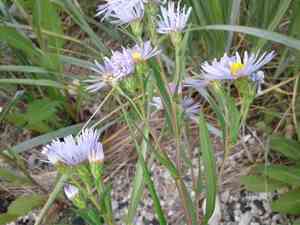
Longleaf aster (Symphyotrichum robynsianum)
Also known as: Robyn's Aster
The Longleaf aster is a perennial herb that flourishes in pine savannas and open woodlands in the southeastern United States. It features upright stems topped with lavender, daisy-like flowers that attract local pollinators. Its green, lance-shaped leaves contribute to its hardiness and ability to endure various seasons.
In This Article
Attributes of Longleaf aster
Lifespan
Perennial
Plant Height
1 to 3 feet (30 to 90 cm)
Spread
Typically 1.5 to 2 feet (45 to 60 cm)
Leaf Color
Green
Flower Size
1 to 1.5 inches (2.5 to 3.8 cm)
Flower Color
Lavender, Light Purple, Pinkish-Purple
Images of Longleaf aster
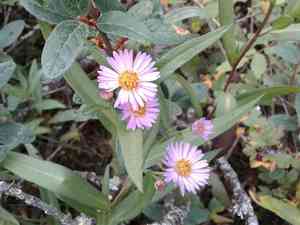
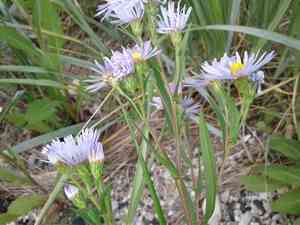
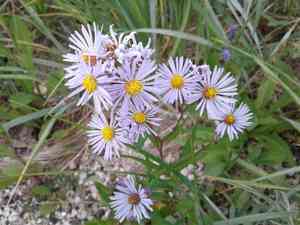
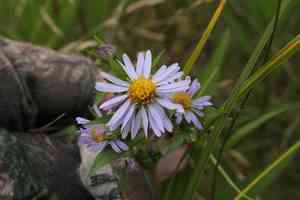
Quickly Identify Longleaf aster
1
The plant can be identified by its lance-shaped leaves, hairy stems, and numerous small, daisy-like flowers that are typically lavender to purple in color. Look for alternating leaf arrangements and a composite flower head made up of both ray and disc florets.
Scientific Classification of Longleaf aster
Phylum
Vascular plants
Class
Dicotyledons
Order
Asterales
Family
Daisy
Genus
Asters
Species
Longleaf aster
Planting and Growing of Longleaf aster
Care Difficulty
Easy
Watering Schedule
Every 3 days
Sunlight Requirements
Partial sun
Sunshine Duration
6-12 hours
Ideal Temperature
60-75℉
Soil Type
Potting Mix, Peat Mix
Soil pH
6-7.5
Fertilizer Type
Balanced
Pruning Season
Spring, Summer
Pruning Area
Branches, Leaves
Pruning Frequency
2 times a year
Repotting Season
Spring
Pot Type
Terracotta, Plastic
 How to Water Longleaf aster?
For Symphyotrichum robynsianum, aim to water until the soil is thoroughly moist but not waterlogged. Ensure the water penetrates deeply into the soil, reaching the root zone, which typically equates to around 250 milliliters per session, ensuring the plant gets enough hydration.
What are the symptoms of an underwatered Longleaf aster?
›
What should I do if my Longleaf aster is not getting enough water?
›
What are the symptoms of an overwatered Longleaf aster?
›
How to save an overwatered Longleaf aster?
›
 What Are the Sunlight Requirements for Longleaf aster?
Partial sun exposure is ideal, allowing Symphyotrichum robynsianum to thrive with balanced light. This supports healthy foliage and abundant blooms.
What is the best location for Symphyotrichum robynsianum?
›
How should I adjust light availability during different seasons?
›
What role does light play in the blooming process?
›
 What Is the Ideal Temperature Range for Longleaf aster?
Symphyotrichum robynsianum thrives best within temperatures ranging from 60°F to 75°F. This temperature range supports optimal growth and flowering, ensuring that the plant develops strong stems and vibrant blooms. Consistent temperatures within this range help the plant maintain its metabolic processes efficiently, preventing stress-induced stunting or wilting. For indoor cultivation, maintaining this range can be managed with controlled heating and cooling systems.
 What Soil is Best for Longleaf aster?
Symphyotrichum robynsianum thrives in well-drained soils that prevent water-logging and root rot. This characteristic is crucial as it ensures oxygen availability around the roots, promoting healthy root growth and preventing fungal infections. This plant prefers soils rich in organic matter, which provide essential nutrients. Such soils enhance growth by feeding the plant consistently, leading to vibrant blooms and robust foliage. While well-drained, the soil should also retain some moisture. This balance is vital for maintaining consistent hydration levels, particularly during dry spells, which supports sustained growth and flowering.
 How to Fertilize Longleaf aster?
For Symphyotrichum robynsianum, it's important to provide a balanced amount of nutrients. Typically, you should use a liquid fertilizer diluted to half the recommended strength on the label. This ensures the plant receives adequate nutrition without the risk of over-fertilization, supporting steady and healthy growth.
 How to Prune Longleaf aster?
Begin by cutting back any dead or damaged stems to promote new growth. Focus on maintaining a natural shape while removing any excessively long or weak stems. Use sharp, clean pruning shears to make precise cuts just above healthy buds or lateral branches. In early Spring, pinch the tips of young growth to encourage the plant to branch out more fully. This technique not only improves the plant's shape but also increases the number of flowers it produces. Repeat pinching every few weeks until mid-Summer for best results. In late Spring or early Summer, you can divide the plant if it becomes overly dense. Dig up the clump, and using a sharp spade, carefully separate it into smaller sections. Replant these divisions to give the plant more room to grow and flourish.
More About Pruning Techniques→
 How to Propagate Longleaf aster plant?
1
Start by collecting mature seeds from the plant. Clean and dry them properly before placing them in a seed tray filled with potting mix. Ensure gentle pressing into the soil for adequate contact.
2
Select healthy stems and use a sharp knife to cut below a node. Ensure each cutting is about 4-6 inches long and remove leaves from the lower half before planting in a moist medium.
3
Carefully dig up a mature plant, ensuring minimal root damage. Cut the root ball into sections, each with roots and shoots. Replant these sections in prepared soil, ensuring firm contact.
 How to Repot Longleaf aster plant?
1
Repot Symphyotrichum robynsianum when it becomes root-bound, which usually means the roots are visibly growing out of the drainage holes or the plant's growth has noticeably slowed. Additionally, if the soil is compacted and not retaining moisture, it might be time for a change.
2
Select a pot that is 1-2 inches wider in diameter than the current one to allow for growth. It should have good drainage holes to prevent waterlogging. A slightly wider pot encourages a bushier plant with more blooms.
3
Opt for a well-draining soil mix rich in organic matter. This ensures the roots have space to breathe and grow, preventing root rot and providing nutrients. Such soil helps maintain a balance of moisture and air.
Learn More About Longleaf aster Diseases
Anthracnose
Bacterial Leaf Spot
Bacterial Wilt
Black Spot
Chemical Injury
Crown Gall
Cyst Nematode
Damping-off
Downy Mildew
Drought Stress
Fusarium Wilt
Gray Mold
Leaf Spot
Mosaic
Nutrient Deficiency
Nutrient Toxicity
Powdery Mildew
Root Rot
Root-knot Nematode
Rusts
Sooty Mold
Spider Mites
Temperature Stress
Thrips Damage
White Mold



