How to Propagate Longleaf aster?
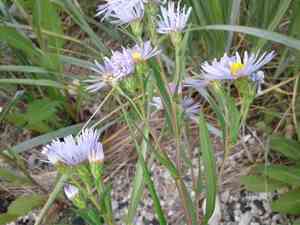
Longleaf aster flourishes in adequately drained ground with ample sunlight. To achieve successful propagation, verify that the cultivation substrate stays damp yet not oversaturated. Employ seed planting in springtime for peak development. Disperse seeds on the surface, gently pressing them into the earth. Sustain steady hydration until sprouting occurs. This variety benefits from applying mulch to retain dampness and inhibit unwanted vegetation. Consistent inspection for insects will aid in guaranteeing robust growth.
What Is the Best Time To Propagate Longleaf Aster?
Propagation Type
Seeding
Propagation Season
Spring
What Tools Are Used in Longleaf Aster Propagation?
Seed Trays
Seed trays offer a controlled setting for the initial development of longleaf aster seeds. They support seedlings by providing sufficient room, drainage, and air circulation.
Sterile Seed Starting Mix
Employing a sterile seed starting mix prevents soil-borne illnesses, ensuring longleaf aster seeds have a healthy beginning. It supplies essential nutrients and retains moisture effectively.
Spray Bottle
A spray bottle is crucial for gently dampening the seed starting mix without disturbing longleaf aster seeds. It delivers a fine mist that ensures uniform watering.
Heating Mat
A heating mat helps maintain a consistent and warm temperature, vital for the germination of longleaf aster seeds. This tool ensures quicker and more even sprouting.
Grow Lights
Grow lights provide the necessary light spectrum for longleaf aster seedlings, especially in low-light conditions. They ensure seedlings grow robust and healthy by supplying ample illumination.
Humidity Dome
A humidity dome maintains a high moisture level around longleaf aster seedlings, which is critical during the early stages of germination and growth, helping to prevent premature drying.
Seedling Labels
Seedling labels are essential for tracking the various seeds sown. This tool aids in identifying longleaf aster seedlings among other plants, ensuring proper care and monitoring.
How to Propagate Longleaf Aster?
Propagation Type
Simple
How to Care for Your Newly Propagated Longleaf Aster?
How to Care for Your Newly Propagated Longleaf Aster?
Post-transplant, water longleaf aster regularly to establish a robust root system. Once settled, irrigate moderately, allowing the soil to dry slightly between waterings. Ensure longleaf aster receives full sun to partial shade. Apply mulch around the base to retain moisture and suppress weeds. Fertilize sparingly, as longleaf aster thrives in low-nutrient environments. Monitor for pests and diseases, treating promptly with eco-friendly solutions if needed.
Common Mistakes to Avoid When Propagating Longleaf Aster
Overwatering
Excessive moisture can lead to root rot, which can severely damage or kill the plant.
Improper Soil Mixture
Using soil that retains too much water or lacks proper nutrients can hinder root development.
Lack of Sunlight
Inadequate light exposure can result in weak, leggy growth and poor overall plant health.
Wrong Cutting Techniques
Taking cuttings from the wrong part of the plant or not using clean, sharp tools can reduce the chances of successful rooting.
Neglecting Hygiene
Not sterilizing tools and containers can introduce diseases or pests that harm the plant.
Tips For Propagating Longleaf Aster
Proper Watering
Water just enough to keep the soil moist, but not soggy, to encourage healthy root formation.
Use Well-Draining Soil
Choose a soil mix that drains well and is rich in organic matter to support root growth.
Ensure Adequate Sunlight
Longleaf aster requires plenty of sunlight, so place the cuttings in a well-lit area.
Clean Cuttings
Always use clean, sharp tools to take cuttings, and choose healthy parts of the plant to maximize the success rate.
Maintain Hygiene
Sterilize all tools and containers before use to prevent the spread of diseases and pests.



