How to Prune Small twisted-stalk?
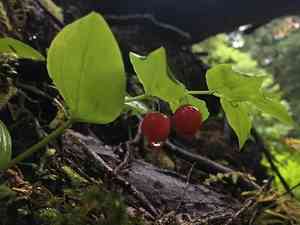
A perennial that thrives in shaded environments, recognized for its distinctive zig-zag stalk and campanulate blossoms, small twisted-stalk thrives with judicious trimming to preserve its form and foster vigor. In spring, as fresh shoots emerge, cut back any lifeless or compromised stems. During the summer, minor trimming can be undertaken to sculpt the plant or manage its dimensions. Consistently removing faded flowers stimulates further blooming. This practice is not merely for visual appeal but also prevents excessive density and improves air movement, thereby discouraging ailments.
What Are the Benefits of Pruning Small Twisted-stalk?
What Are the Benefits of Pruning Small Twisted-stalk?
Trimming small twisted-stalk encourages robust development and helps maintain its desired form. Regular trimming eliminates old, unproductive sections, fostering revitalization and enhancing overall health and shape.
What Is the Best Time for Pruning Small Twisted-stalk?
What Is the Best Time for Pruning Small Twisted-stalk?
Pruning in late spring coincides with the period after frost when small twisted-stalk has resumed active growth, ensuring proper healing and strong new shoots. Early summer trimming is optimal before small twisted-stalk's blooming or fruiting to preserve shape and promote healthy growth without sacrificing flowers or fruit.
What Tools Do I Need to Prune Small Twisted-stalk?
Bypass Pruners
Perfect for making clean cuts on small twisted-stalk's stems without crushing plant tissues, which promotes better healing and prevents harm.
Pruning Shears
These can be utilized for precise shaping and removing specific parts of small twisted-stalk's foliage without causing undue stress to the plant.
Gardening Gloves
Protects the gardener's hands from injury when pruning small twisted-stalk as it may have delicate stems that break easily.
How to Prune Small Twisted-stalk
Sanitize tools
Before beginning, ensure all pruning implements are disinfected to prevent disease spread. Clean the blades with isopropyl alcohol or a bleach solution.
Inspect
Examine small twisted-stalk carefully to identify diseased leaves, withered leaves, and diseased stems. Look for signs of discoloration, spots, or any unusual marks.
Snip diseased leaves
Using sharp pruning shears, carefully snip off the diseased and withered leaves. Make cuts at the base of each leaf stem, close to the main stem, leaving as minimal a stub as possible.
Cut diseased stems
For any diseased stems on small twisted-stalk, cut them back to healthy tissue. Make the cut just above a leaf node or bud to encourage new growth.
Cleanup
After pruning small twisted-stalk, gather and dispose of all the removed material. Do not compost diseased plant parts to avoid contaminating the compost.
Common Pruning Mistakes with Small Twisted-stalk
Overzealous pruning
Removing too much of small twisted-stalk's foliage or stems can hinder its growth or reduce its vigor. Novice gardeners often make the error of pruning plants back too severely, which can lead to fewer flowers and an unbalanced plant shape.
Improper cut locations
Making cuts either too close or too far from the node can damage small twisted-stalk or result in unwanted growth patterns. It is essential to cut just above the node from where new growth is desired.
Pruning during active growth
Cutting back small twisted-stalk while it is in its active growth phase can lead to stress and decreased vitality, affecting its overall health and floral display.
Ignoring plant health
Prior to pruning, it's important to assess the health of small twisted-stalk. Removing healthy tissue without reason or failing to cut away diseased or damaged areas can negatively impact the plant's well-being.
Using dull or dirty tools
Pruning with tools that are not clean and sharp can introduce diseases and create jagged cuts that are slow to heal on small twisted-stalk, making the plant more vulnerable to pests and diseases.
Common Pruning Tips for Small Twisted-stalk
Assess before cutting
Always inspect small twisted-stalk's overall shape and health before starting. Identify dead, diseased, or damaged stems for removal, and consider the plant's natural form to guide pruning decisions.
Sharp tools
Use sharp, clean pruning shears or scissors to ensure clean cuts that small twisted-stalk can heal from quickly and without excessive stress, reducing the risk of disease.
Angled cuts
Make angled cuts on small twisted-stalk's stems to prevent water accumulation on the cut surface, which can promote rot and fungal diseases.
Thin out old growth
Thin out older and overcrowded stems of small twisted-stalk to improve air circulation and light penetration, which helps to encourage vigorous growth and a healthier plant constitution.
Encourage new growth
By pruning back the stems of small twisted-stalk that have finished flowering, gardeners can encourage new growth, which may lead to additional blooms in subsequent years.



