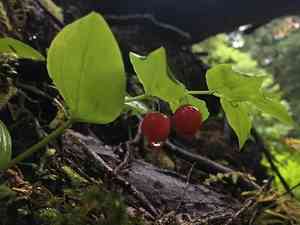
Small twisted-stalk (Streptopus streptopoides)
Also known as: Twisted-stalk
The small twisted-stalk (Streptopus amplexifolius) is a notable perennial found in woodland settings, characterized by its distinctive zigzagging stems. It produces small, nodding, bell-shaped flowers that are greenish-white, appearing in the spring and summer. The plant's broad, oval leaves have clasping bases that hug the stem, adding a lush, green background. Preferring cool, moist forest understories, the small twisted-stalk's unique form allows it to intertwine seamlessly with surrounding vegetation.
In This Article
Attributes of Small twisted-stalk
Lifespan
Perennial
Plant Type
Herb
Plant Height
30 cm
Spread
N/A
Leaf Color
Green
Flower Size
8 mm
Flower Color
Green
Images of Small twisted-stalk
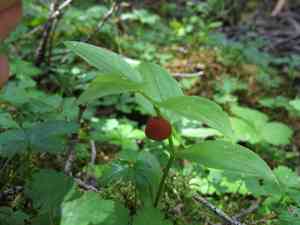
Quickly Identify Small twisted-stalk
1
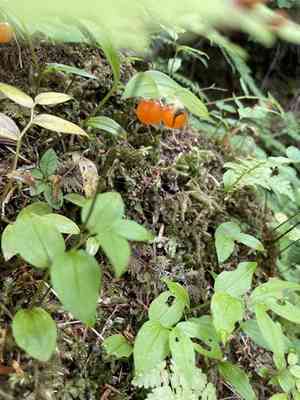
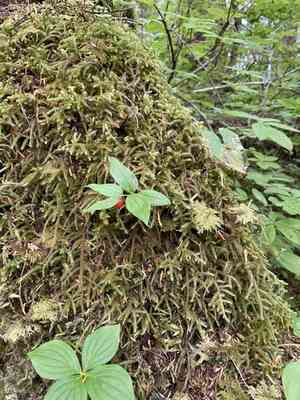
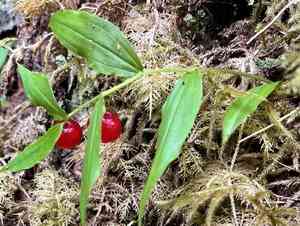
Look for the distinctive zigzagging stems that \'twist\' near the nodes and clasping leaf bases. The flowers are typically bell-shaped, greenish-yellow, and may have a slight purple tinge. The plant often has berries that are red when ripe.
Scientific Classification of Small twisted-stalk
Phylum
Vascular plants
Class
Monocotyledons
Order
Liliales
Family
Lily
Genus
Streptopus
Species
Small twisted-stalk
Planting and Growing of Small twisted-stalk
Care Difficulty
Moderate
Watering Schedule
Every 2 days
Sunlight Requirements
Partial sun
Sunshine Duration
6-10 hours
Ideal Temperature
60-70℉
Soil Type
Potting Mix, Peat Mix
Soil pH
5-7
Fertilizer Type
Balanced
Pruning Season
Spring, Summer
Pruning Area
Branches, Leaves
Pruning Frequency
2 times a year
Repotting Season
Spring
Pot Type
Plastic, Ceramic
 How to Water Small twisted-stalk?
When watering Streptopus streptopoides, aim to moisten the soil thoroughly without leaving it waterlogged. Ensure water penetrates the top layer, ideally until you notice moisture about 2 inches deep, which usually takes around 250 ml of water.
What are the symptoms of an underwatered Small twisted-stalk?
›
What should I do if my Small twisted-stalk is not getting enough water?
›
What are the symptoms of an overwatered Small twisted-stalk?
›
How to save an overwatered Small twisted-stalk?
›
 What Are the Sunlight Requirements for Small twisted-stalk?
Partial sun benefits Streptopus streptopoides by supporting balanced growth and vibrant leaves. When the plant is in an area with partial sun, it absorbs adequate light energy without the detrimental effects of overexposure, leading to a thriving life cycle.
How much light does Streptopus streptopoides need?
›
What are the ideal hours for sunlight exposure?
›
What benefits does ideal lighting bring?
›
 What Is the Ideal Temperature Range for Small twisted-stalk?
The ideal temperature range for cultivating Streptopus streptopoides is between 60 and 70 degrees Fahrenheit. This range provides the optimal conditions for the plant's physiological processes, including photosynthesis and nutrient absorption. At this temperature, the plant can maintain healthy growth rates and vibrant foliage.
 What Soil is Best for Small twisted-stalk?
Streptopus streptopoides thrives in well-drained soil, which prevents waterlogging and root rot. This condition ensures adequate oxygen is available to the roots, promoting healthy growth and preventing fungal infections. The plant prefers soils that retain moisture well. Maintaining a consistent level of moisture helps support the plant’s water needs, especially during dry periods, ensuring lush and vibrant growth. Rich in organic matter, the soil should be fertile to supply essential nutrients. Nutrient-rich soil provides the plant with vital minerals and compounds necessary for robust foliage and robust flowering potential.
 How to Fertilize Small twisted-stalk?
For Streptopus streptopoides, a general guideline is to apply a balanced liquid fertilizer diluted to half strength. When using a slow-release fertilizer, apply 1 tablespoon per plant. Always ensure the soil is moist before fertilizing to prevent root burn.
 How to Prune Small twisted-stalk?
To prune Streptopus streptopoides, first ensure you have clean and sharp scissors or pruning shears. Begin by removing any dead or damaged leaves to allow light and air to reach healthier parts. Next, cut back any overgrown or straggly stems to maintain the plant’s desired shape and size. Always cut just above a healthy bud or leaf node to encourage new growth. Take care to make clean, precise cuts to avoid damaging the plant.
More About Pruning Techniques→
 How to Propagate Small twisted-stalk plant?
1
Gather seeds from mature Streptopus streptopoides plants once they have ripened. Ensure they are fully developed and dry to improve germination rates, storing them in a cool, dry place until you're ready to plant.
2
Prepare a well-draining soil mix suited for woodland-like conditions. This encourages healthy root development and mimics the plant's natural habitat, contributing to robust growth in propagated plants.
3
When planting seeds, sow them onto the soil surface, lightly covering them with additional soil. For divisions, replant clumps in prepared soil, ensuring roots are adequately covered and provide initial watering.
 How to Repot Small twisted-stalk plant?
1
Look for signs like roots circling the pot or growing out of the drainage holes, which indicate it's time to repot. The best time for repotting is during the active growing season in spring or autumn, allowing the plant to recover quickly and establish in its new environment.
2
Opt for a pot that is one size larger than the current one, ensuring it has ample drainage holes. This helps prevent waterlogging and promotes healthy root development. Using the right pot size avoids unnecessary stress on the plant and ensures optimal growth conditions.
3
Select a well-drained, loamy soil mix, which allows proper aeration and moisture retention. This type of soil supports healthy root growth by providing the necessary nutrients and drainage, ensuring the plant's long-term vitality and resilience.
Learn More About Small twisted-stalk Diseases
Anthracnose
Bacterial Leaf Spot
Bacterial Soft Rot
Damping-off
Downy Mildew
Drought Stress
Fusarium Wilt
Gray Mold
Leaf Curl
Leaf Spot
Mosaic
Nutrient Deficiency
Nutrient Toxicity
Powdery Mildew
Root Rot
Root-knot Nematode
Rusts
Sooty Mold
Spider Mites
Temperature Stress
Thrips Damage
White Mold
Chemical Injury



