The Small twisted-stalk Plant Advantage: Maximizing Home and Office Appeal and Wellness
1
Small twisted-stalk is a distinctive flora recognized for its capacity to improve woodland environments.
2
This plant provides dietary advantages through its consumable fruits.
3
Small twisted-stalk fosters ecological diversity by offering shelter and sustenance to local fauna.
What Makes Small twisted-stalk Special?
Unique Characteristics
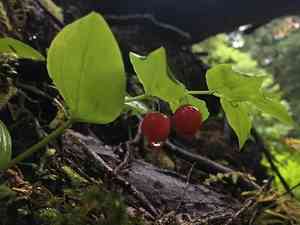
Small twisted-stalk is recognized by its slender stem and small, bell-shaped blossoms. This plant flourishes in shaded woodland settings, adapting well to damp and nutrient-rich soil. Its twisted stem and delicate form make it easily identifiable in its natural environment.
Habitat and Distribution
Small twisted-stalk is commonly found in temperate forest regions. It typically grows in coniferous and mixed forests, contributing to the biodiversity of these ecosystems. The plant is prevalent in regions with cool climates and is most visible during the spring and early summer months.
Environmental Benefits of Small twisted-stalk
Ecosystem Enhancement
Small twisted-stalk plays a crucial role in enhancing forest ecosystems. It serves as a ground cover plant, preventing soil erosion and maintaining soil moisture. Its presence supports a healthy forest floor, providing a habitat for various microorganisms and insects.
Encouraging Biodiversity
The plant supports a diverse range of wildlife. Its flowers attract pollinators such as bees and butterflies, while its edible berries provide nourishment for birds and small mammals. These interactions are vital for sustaining a balanced and vibrant ecosystem.
Nutritional Benefits of Small twisted-stalk
Edible Berries
One of the lesser-known benefits of Small twisted-stalk is its berries. These small, red berries are not only edible but also rich in nutrients. They can be consumed fresh or used in various culinary dishes, adding a burst of flavor and nutrition.
Harvesting Tips
To enjoy the nutritional benefits of Small twisted-stalk's berries, it's essential to harvest them at the right time. The berries are typically ripe in late summer to early autumn. They should be picked when fully red and slightly soft to ensure optimal taste and nutrient content.
Role of Small twisted-stalk in Wildlife Support
Food Source
Small twisted-stalk is an important food source for various wildlife species. Birds and small mammals rely on its berries for sustenance, particularly during the late summer and fall months when other food sources may be scarce. This makes Small twisted-stalk a critical component of forest food webs.
Habitat Provision
Beyond providing food, Small twisted-stalk also offers shelter and nesting materials for wildlife. Its dense foliage and ground cover provide protection and nesting sites for insects and small animals. This dual role in providing both food and habitat underscores the plant's ecological significance.
Conservation and Protection of Small twisted-stalk
Preservation Efforts
Given the ecological importance of Small twisted-stalk, conservation efforts are essential to ensure its survival. This involves protecting natural habitats where the plant thrives and implementing sustainable forest management practices. Public awareness and education about the plant's benefits can also play a significant role in its conservation.
Sustainable Harvesting
Sustainable harvesting practices are crucial to avoid depleting Small twisted-stalk's populations. Harvesters should collect berries and plant parts responsibly, ensuring that the plant can continue to grow and reproduce. This balance between utilization and conservation is key to maintaining Small twisted-stalk's presence in forest ecosystems.



