How to Prune Seaside twintip?
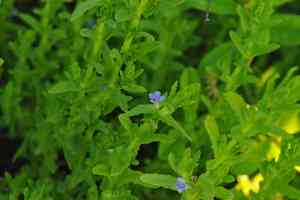
Recognized for its unique leaves and ability to withstand coastal conditions, seaside twintip thrives with regular trimming to encourage robust development and structure. The ideal period for pruning is from late winter to early spring, coinciding with its inactive phase. Eliminate any deceased or compromised branches and cut back to preserve the preferred outline. Consistent trimming fosters thicker foliage and more abundant flowering. Always utilize sanitized, sharp implements to avert illness. Pruning seaside twintip improves air movement and light exposure, which are crucial for the plant's general health.
What Are the Benefits of Pruning Seaside Twintip?
What Are the Benefits of Pruning Seaside Twintip?
Seaside twintip thrives with trimming to encourage vigorous development and maintain its form by eliminating dead or weak branches, fostering healthier growth, enhancing its look, managing its size, and boosting its resistance to pests and diseases, according to horticultural advice.
What Is the Best Time for Pruning Seaside Twintip?
What Is the Best Time for Pruning Seaside Twintip?
Trimming seaside twintip in early spring or late winter is optimal, allowing the plant to recover during its active growth period. This timing minimizes plant stress and encourages robust new growth. Furthermore, pruning before the bloom cycle ensures the plant's energy is directed toward producing strong, abundant flowers, improving its overall health and appearance.
What Tools Do I Need to Prune Seaside Twintip?
Bypass Pruners
Perfect for making clean cuts on living stems. Utilize bypass pruners for selective trimming to remove dead or overgrown stems.
Precision Pruning Shears
Useful for snipping small, delicate branches and ensuring detailed shaping. Essential due to the compact nature of seaside twintip.
Hedge Shears
Ideal for trimming and shaping seaside twintip when it grows densely. Facilitates uniform growth maintenance.
Hand Pruners
Suitable for routine trimming and deadheading tasks. These are crucial for ongoing upkeep.
Lopping Shears
Good for cutting thicker stems that may develop as seaside twintip matures. Provides leverage for reaching tougher areas.
How to Prune Seaside Twintip
Inspect
Carefully examine seaside twintip to find any diseased or withered leaves, which often appear discolored or misshapen.
Sanitize
Before pruning, sterilize your pruning shears or scissors to prevent disease spread, using a solution of one part bleach to nine parts water.
Remove diseased leaves
Gently snip off any diseased leaves, ensuring to cut at the base of the leaf stem to avoid leaving stubs that could harbor pathogens.
Remove withered leaves
Clip off any withered leaves, again cutting at the base of the leaf stem to keep seaside twintip looking neat and healthy.
Dispose
Properly discard all removed leaves, especially diseased ones, by sealing them in a bag and placing them in the trash to prevent potential contamination of your compost or garden area.
Common Pruning Mistakes with Seaside Twintip
Over-pruning
Trimming too much of seaside twintip can stress the plant and impede its growth or flowering. Removing more than a third of the plant at once is often excessive.
Improper technique
Using dull tools can harm plant tissue, creating potential entry points for disease. Also, cutting angles that don't promote proper healing can be detrimental.
Timing errors
Pruning at the wrong time could remove flower buds or vital growth segments, affecting the plant's blooming cycle and overall health.
Ignoring dead or diseased parts
Failing to remove dead or diseased sections first can spread diseases throughout the plant, diminishing its overall vigor.
Common Pruning Tips for Seaside Twintip
Use sharp tools
Always ensure your pruning shears are sharp and clean to make precise cuts and minimize the risk of disease.
Prune lightly
Make small, targeted cuts to shape seaside twintip and remove dead or damaged growth. Focus on branches that cross or grow inward to promote better air circulation.
Cut at the right angle
Make your cuts at a 45-degree angle, just above a leaf node or bud, to encourage more robust growth and proper healing.
Step-by-step removal
Start by trimming any dead or diseased parts of seaside twintip. Then, move on to shaping and removing any overcrowded or wayward branches.



