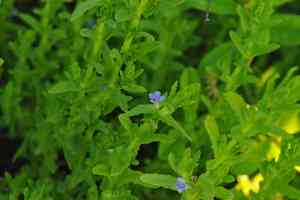
Seaside twintip (Stemodia maritima)
Also known as: Seaside Bluehearts, Purplebract Stemodia
The plant you are referring to is likely a species adapted to coastal environments, such as the seaside twintip. This low-growing, salt-tolerant plant features a sprawling growth pattern and small, fine-haired leaves that are oval to lance-shaped. It produces delicate blue to violet tubular flowers, which are well-suited to attract pollinators. This hardy plant thrives in the sandy or rocky soils of coastal ecosystems, demonstrating remarkable resilience through its specialized structure.
In This Article
Attributes of Seaside twintip
Lifespan
Perennial
Plant Type
Herb
Plant Height
20-40 cm
Spread
40-60 cm
Leaf Color
Green
Flower Size
1-1.5 cm
Flower Color
Lavender-blue
Images of Seaside twintip
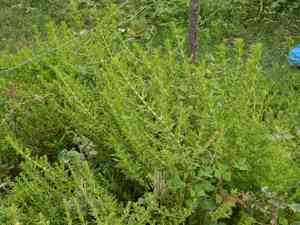
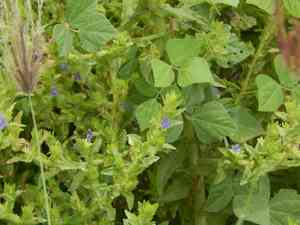
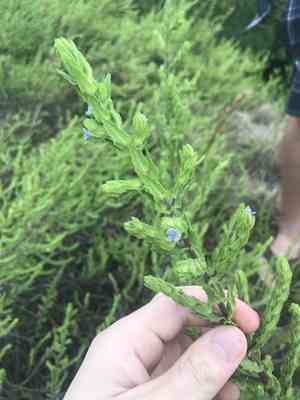
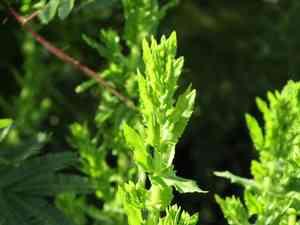
Quickly Identify Seaside twintip
1
Stemodia maritima can be identified by its small, tubular, lavender-blue flowers and its opposite, lance-shaped leaves. The plant’s ability to thrive in saline and sandy environments is a key identifying feature.
Scientific Classification of Seaside twintip
Phylum
Vascular plants
Class
Dicotyledons
Order
Lamiales
Family
Plantain
Genus
Stemodia
Species
Seaside twintip
Planting and Growing of Seaside twintip
Care Difficulty
Moderate
Watering Schedule
Every 2 days
Sunlight Requirements
Full sun
Sunshine Duration
4-8 hours
Ideal Temperature
68-86℉
Soil Type
Potting Mix, Peat Mix
Soil pH
6.5-7.5
Fertilizer Type
Balanced
Pruning Season
Spring, Summer
Pruning Area
Branches, Leaves
Pruning Frequency
2 times a year
Repotting Season
Spring
Pot Type
Plastic, Ceramic
 How to Water Seaside twintip?
Stemodia maritima prefers moderate watering. Ensure that the soil is moist but never waterlogged. You should aim to provide approximately 200 milliliters per watering session. This amount allows the plant's roots to access sufficient moisture without risking over-saturation, which could lead to root rot.
What are the symptoms of an underwatered Seaside twintip?
›
What should I do if my Seaside twintip is not getting enough water?
›
What are the symptoms of an overwatered Seaside twintip?
›
How to save an overwatered Seaside twintip?
›
 What Are the Sunlight Requirements for Seaside twintip?
Stemodia maritima thrives in full to partial sun, benefiting from at least six hours of sunlight daily. This lighting supports its metabolic processes, ensuring healthy growth and lush appearances.
Question: What is the ideal light condition for Stemodia maritima?
›
Question: How can I optimize light conditions for Stemodia maritima?
›
Question: Why is ideal lighting important for Stemodia maritima?
›
 What Is the Ideal Temperature Range for Seaside twintip?
Stemodia maritima thrives best within a temperature range of 68 to 86 degrees Fahrenheit. These conditions mimic its native environment, allowing for optimal photosynthesis and growth. Maintaining this range ensures the plant remains healthy and vigorous, fostering robust foliage and vibrant blooms.
 What Soil is Best for Seaside twintip?
Stemodia maritima thrives in well-drained soil, preventing root rot and promoting healthy root systems. The well-drained nature allows for proper water percolation, ensuring the roots get enough oxygen, essential for growth. The plant performs best in moderately fertile soil, providing a balanced nutrient profile that supports vigorous foliage and flowering. This prevents nutrient deficiencies, keeping the plant robust and vibrant. Aerated soil is crucial for Stemodia maritima, enhancing root penetration and nutrient absorption. Proper aeration supports microbial activity and helps in breaking down organic matter, nourishing the plant effectively.
 How to Fertilize Seaside twintip?
For Stemodia maritima, it is advisable to use a balanced, water-soluble fertilizer. When using liquid fertilizers, apply them at half the recommended strength to avoid overwhelming the plant. Ensure that the fertilizer is well-diluted to maintain nutrient levels without causing harm.
 How to Prune Seaside twintip?
Begin by examining the plant to identify dead or damaged branches, as these should be removed first. Use sharp pruning shears to make clean cuts at a slight angle, just above a healthy node or leaf set. Regularly cutting back the tips of the stems encourages bushier growth and more flowering. Be consistent with your cuts to maintain an even appearance. To achieve a denser appearance, focus on pinching back the growing tips regularly. This not only promotes lateral growth but also results in a fuller plant with more blooms. Make sure to pinch back new growth about every four weeks during the growing seasons.
More About Pruning Techniques→
 How to Propagate Seaside twintip plant?
1
Use a well-draining potting mix suitable for starting seeds or cuttings. A mix that includes peat, perlite, and sand is ideal because it offers both moisture retention and aeration, critical for young plant development.
2
Select healthy, disease-free stems for cuttings. Use sterilized pruning shears to cut 4-6 inch sections just below a node, and remove the lower leaves to focus energy on root development.
3
Insert the cuttings into the prepared soil, ensuring at least one node is buried. If using seeds, sprinkle them lightly over the soil surface and cover with a thin layer of soil or vermiculite.
 How to Repot Seaside twintip plant?
1
Stemodia maritima needs repotting when roots begin to outgrow the current container, or water takes unusually long to drain. Another signal is when the plant's growth stagnates, showing signs of distress like yellowing leaves. Ideally, repot during its active growth seasons, spring or early summer, ensuring it has ample time to re-establish.
2
Opt for a pot that is one size larger than the current one, ideally with drainage holes. A slightly larger pot prevents waterlogging while allowing root expansion. Avoid overly large containers as they can lead to excessive soil moisture, which is detrimental to root health.
3
Use a well-draining sandy soil mix, rich in organic matter yet airy enough to allow root breathing. This type of soil replicates its natural habitat, supporting optimal moisture retention and avoidance of root rot.
Learn More About Seaside twintip Diseases
Anthracnose
Bacterial Leaf Spot
Bacterial Soft Rot
Bacterial Wilt
Black Spot
Chemical Injury
Crown Gall
Cyst Nematode
Damping-off
Downy Mildew
Drought Stress
Fusarium Wilt
Gray Mold
Leaf Curl
Leaf Spot
Mosaic
Nutrient Deficiency
Nutrient Toxicity
Powdery Mildew
Root Rot
Root-knot Nematode
Rusts
Sooty Mold
Spider Mites
Temperature Stress
Thrips Damage
White Mold



