How to Prune Fleshy starwort?
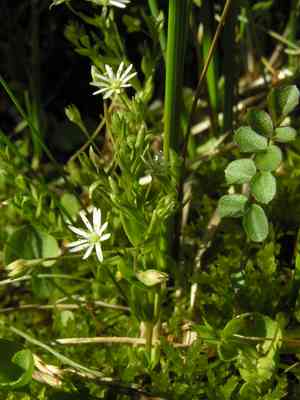
Fleshy starwort flourishes in damp, sandy substrates and displays succulent, star-like blossoms. Trim fleshy starwort during early Spring or mid-Summer to eliminate deceased or compromised stalks, fostering fresh development and preserving its form. Concentrate on reducing dense sections to enhance air movement. Consistent trimming also aids fleshy starwort by averting ailments and encouraging robust flowering. Always employ sharp, sanitized implements to prevent the introduction of harmful agents. Performing timely pruning within the cultivation period optimizes these advantages.
What Are the Benefits of Pruning Fleshy Starwort?
What Are the Benefits of Pruning Fleshy Starwort?
Trimming fleshy starwort promotes robust development and maintains a compact, visually appealing form. Regular cutting helps manage its size and encourages a denser, healthier plant structure.
What Is the Best Time for Pruning Fleshy Starwort?
What Is the Best Time for Pruning Fleshy Starwort?
Pruning fleshy starwort during Spring and Summer aligns well with its active growth period, fostering healthier development and more abundant flowering. Spring pruning is ideal for removing winter damage and preparing fleshy starwort for new growth. Summer pruning helps shape the plant and control its spread, ensuring vigor and aesthetic appeal. These seasons prevent stressing fleshy starwort during dormancy and avoid cutting before it stores energy for winter.
What Tools Do I Need to Prune Fleshy Starwort?
Hand Pruners
Perfect for making precise cuts on fleshy starwort, minimizing harm to its delicate stems.
Micro-Tip Pruning Snips
Suitable for reaching into dense foliage of fleshy starwort to selectively remove or shape small, detailed sections. Their accuracy is vital for preserving the plant's delicate structure.
Pruning Shears
Effective for trimming larger sections of fleshy starwort during seasonal pruning to encourage new growth and maintain plant health.
How to Prune Fleshy Starwort
Identify
Thoroughly inspect fleshy starwort to pinpoint any diseased or withered leaves and stems. Carefully examine both the upper and lower leaf surfaces, and check stems for discoloration, spots, or mold.
Sanitize
Disinfect all pruning tools before use to prevent disease spread. Use a bleach or alcohol solution to clean the blades of your secateurs or pruning shears.
Prune diseased leaves
Carefully remove all diseased and withered leaves from fleshy starwort. Use clean, sharp pruning shears, making cuts close to the stem without damage. Dispose of these leaves properly to prevent pathogen spread.
Prune diseased stems
Cut back any diseased stems on fleshy starwort to healthy tissue. Ensure cuts are at a 45-degree angle to facilitate water runoff and promote healing. Avoid leaving stubs, as they can attract pests or disease.
Clean up
After pruning, clear all debris from around fleshy starwort. Remove all fallen leaves and stem cuttings to minimize disease risk. Dispose of plant material off-site or destroy it if severely infected.
Common Pruning Mistakes with Fleshy Starwort
Over-pruning
A common error is removing too much foliage from fleshy starwort, which can severely weaken it. Specifically, fleshy starwort should not be cut back by more than one-third of its existing growth in a single session, as this can stress the plant and reduce its vitality.
Improper cuts
Using incorrect cutting methods can harm fleshy starwort. It's crucial to make clean, angled cuts with sharp, clean pruning tools to prevent infection and promote faster healing. Dull or dirty tools can cause jagged cuts that injure fleshy starwort and create entry points for disease.
Pruning during flowering
Removing blooming shoots of fleshy starwort can inadvertently decrease the number of flowers and potentially future seed production. It's important to focus on removing only dead or overgrown parts during active growth, not during peak flowering.
Neglecting plant form
Another mistake is ignoring the natural shape of fleshy starwort when pruning. Random or excessive cutting can lead to an unbalanced structure, affecting both its aesthetic appeal and its overall health and flowering capacity.
Common Pruning Tips for Fleshy Starwort
Timing
Prune fleshy starwort immediately after its flowering period ends to encourage denser growth and more vigorous blooming next season. This timing allows identification of old or underperforming shoots for easier removal.
Technique
Use sharp, clean pruning shears for fleshy starwort. Make angled cuts just above a node where new growth can emerge. Ensure cuts are clean and smooth for quick healing. Avoid tearing or smashing stems, as this can harm fleshy starwort.
Selective pruning
Focus on thinning rather than drastically reducing fleshy starwort's size. Remove only the oldest stems and any weak, diseased, or dead material. This improves air circulation and light exposure, essential for fleshy starwort's health.
Conservation
Always aim to maintain the natural form of fleshy starwort, enhancing both plant health and aesthetics. This involves selective pruning to preserve a balanced, pleasing shape while removing unwanted materials. Be careful not to significantly alter its inherent growth pattern.



