How to Prune Coastal hedge-nettle?
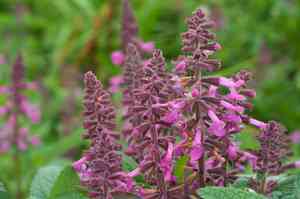
Coastal hedge-nettle is a resilient perennial recognized for its fragrant leaves and vivid blossoms. Trim it during late winter or early spring to foster denser development and eliminate any deceased or injured stalks. Reduce the plant by roughly one-third to stimulate vigorous new sprouts. Consistent shaping after the blooming phase can additionally aid in preserving its form and vitality. Trimming coastal hedge-nettle assists in averting sparse growth and contributes to a sturdier and more attractive specimen.
What Are the Benefits of Pruning Coastal Hedge-nettle?
What Are the Benefits of Pruning Coastal Hedge-nettle?
Trimming coastal hedge-nettle encourages robust development and helps maintain its form, leading to a healthier and more visually appealing plant. Regular pruning fosters denser foliage, lowers disease vulnerability, and effectively manages its size.
What Is the Best Time for Pruning Coastal Hedge-nettle?
What Is the Best Time for Pruning Coastal Hedge-nettle?
Pruning coastal hedge-nettle during late winter or early spring is optimal as it coincides with the plant's dormant phase, minimizing disease and pest risks. At these times, the plant's energy isn't directed towards active growth, blooming, or fruiting, which aids in quicker healing from cuts and stimulates vigorous growth in the upcoming season.
What Tools Do I Need to Prune Coastal Hedge-nettle?
Hand pruners or bypass shears
These are perfect for making clean cuts on stems and branches up to 3/4 inch in diameter, which is ideal for managing coastal hedge-nettle's size and shape without causing unnecessary harm.
Pruning scissors
Useful for more detailed tasks like trimming smaller stems and spent flowers, ensuring accurate cuts that help maintain coastal hedge-nettle's overall health and look.
Gloves
Essential for protecting hands when handling coastal hedge-nettle, especially since certain plant varieties can cause skin irritation.
Disinfectant wipes
Important for cleaning tools before and after pruning to prevent the spread of diseases.
How to Prune Coastal Hedge-nettle
Inspect
Thoroughly examine coastal hedge-nettle to identify any diseased or withered leaves that require removal.
Use Sterile Tools
Employ sterile pruning tools to prevent pathogen transmission. Disinfect tools prior to and following pruning each plant.
Removal of Diseased Leaves
Carefully cut away any diseased leaves, ensuring the cut is made slightly below the affected area for complete removal and to prevent further disease spread.
Removal of Withered Leaves
Trim withered leaves at the base of the leaf stem, where it connects to the main stem or branch, to encourage new growth and overall plant vitality.
Dispose Properly
Dispose of the trimmed diseased and withered leaves in the trash or via appropriate disposal methods to prevent the spread of diseases and pests.
Common Pruning Mistakes with Coastal Hedge-nettle
Over-pruning
Excessive pruning can harm coastal hedge-nettle, removing too much foliage and reducing the plant's ability to photosynthesize effectively. This can result in stunted growth and fewer blooms.
Improper technique
Using dull or dirty tools can create jagged cuts, increasing the risk of disease. Ensure tools are sharp and clean before use.
Cutting at the wrong angle
Pruning with cuts that are too flat or at incorrect angles can injure coastal hedge-nettle and hinder healing. Always make cuts at a slight angle to allow water to drain.
Removing too much at once
Taking off too much material at once can stress coastal hedge-nettle and disrupt its natural growth pattern. It's better to prune a little at a time.
Ignoring deadwood
Failing to remove dead or damaged wood can lead to increased susceptibility to pests and disease.
Pruning too frequently
Constantly cutting back coastal hedge-nettle can prevent it from establishing itself and producing robust growth and flowers.
Common Pruning Tips for Coastal Hedge-nettle
Use sharp, clean tools
Always use sharp pruning shears or scissors for clean cuts, and sanitize them to prevent the spread of disease.
Make precise cuts
When pruning coastal hedge-nettle, make clean, accurate cuts at a slight angle to promote healthy regrowth and prevent water from accumulating in the cuts.
Remove dead and damaged wood
Regularly inspect coastal hedge-nettle for dead or damaged stems and remove them promptly to keep the plant healthy.
Prune for shape and airflow
Prune to create a balanced shape and enhance air circulation within the plant, which can help prevent fungal infections and promote healthy growth.
Prune gradually
Approach pruning coastal hedge-nettle gradually, removing a small amount at a time to reduce stress on the plant and encourage steady growth.
Study plant habits
Understand coastal hedge-nettle's growth patterns and prune accordingly, focusing on areas that may become overgrown or congested.



