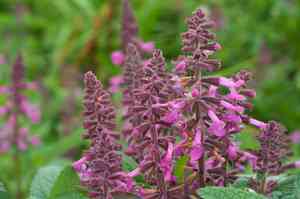
Coastal hedge-nettle (Stachys chamissonis)
Also known as: Coast hedge-nettle
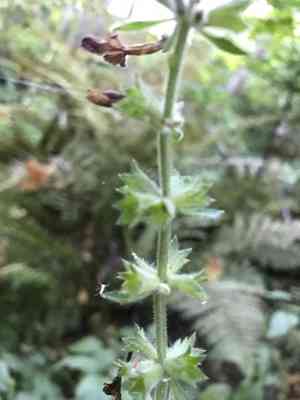
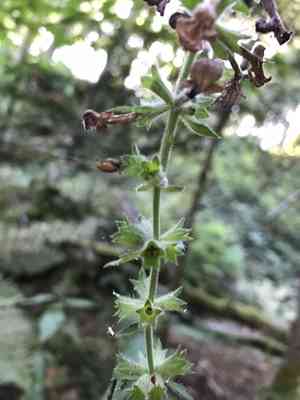
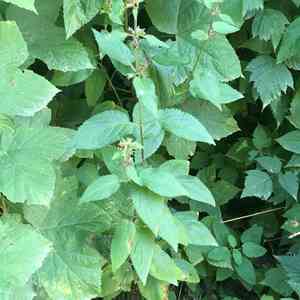
The mint features an upright stem that can grow over one meter tall, sometimes surpassing two meters. The stem is covered in hairs, has glands, and emits a strong aroma. The leaves are arranged in pairs opposite each other, with pointed, wavy edges, and can reach up to 18 centimeters in length. They are attached to the stem by petioles.
In This Article
Attributes of Coastal hedge-nettle
Lifespan
Perennial
Plant Type
Herb
Plant Height
50-100 cm
Spread
40-60 cm
Leaf Color
Green
Flower Size
1-2 cm
Flower Color
Pink to purple
Images of Coastal hedge-nettle
Quickly Identify Coastal hedge-nettle
1
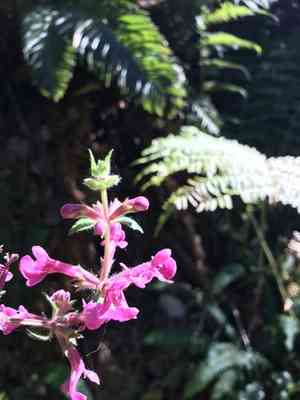
Stachys chamissonis can be identified by its upright, hairy stems, and pairs of toothed, aromatic leaves. It produces clusters of pink to purple flowers, which have a characteristic two-lipped shape typical of the mint family.
Scientific Classification of Coastal hedge-nettle
Phylum
Vascular plants
Class
Dicotyledons
Order
Lamiales
Family
Mint
Genus
Hedgenettle
Species
Coastal hedge-nettle
Planting and Growing of Coastal hedge-nettle
Care Difficulty
Moderate
Watering Schedule
Every 4 days
Sunlight Requirements
Partial sun
Sunshine Duration
6-8 hours
Ideal Temperature
60-75℉
Soil Type
Potting Mix, Peat Mix
Soil pH
6.5-7.5
Fertilizer Type
Balanced
Pruning Season
Spring, Summer
Pruning Area
Branches, Leaves
Pruning Frequency
2 times a year
Repotting Season
Spring
Pot Type
Plastic, Ceramic
 How to Water Coastal hedge-nettle?
Stachys chamissonis prefers evenly moist soil, so it is best to water thoroughly until moisture reaches a depth of 15 cm (6 inches). Allow the top couple of centimeters of soil to dry before re-watering to ensure roots aren't overly soggy.
What are the symptoms of an underwatered Coastal hedge-nettle?
›
What should I do if my Coastal hedge-nettle is not getting enough water?
›
What are the symptoms of an overwatered Coastal hedge-nettle?
›
How to save an overwatered Coastal hedge-nettle?
›
 What Are the Sunlight Requirements for Coastal hedge-nettle?
Stachys chamissonis thrives best in partial sun, enjoying 4 to 6 hours of filtered sunlight. Ideal light exposure encourages healthy growth, vibrant blooms, and prevents stress from over or under-exposure.
What is the ideal lighting for Stachys chamissonis?
›
How to achieve ideal lighting?
›
What are the benefits of ideal lighting?
›
 What Is the Ideal Temperature Range for Coastal hedge-nettle?
The ideal temperature range for Stachys chamissonis is between 60°F and 75°F. These temperatures support optimal growth and help maintain the plant’s health and vitality by providing the ideal conditions for photosynthesis and nutrient absorption.
 What Soil is Best for Coastal hedge-nettle?
Stachys chamissonis flourishes in well-draining soils. Proper drainage prevents waterlogging, which can lead to root rot. Thus, well-drained soil is paramount for healthy growth, ensuring the roots have access to oxygen and nutrients. While drainage is crucial, these plants also appreciate consistent moisture. Soils that maintain a balanced moisture level can support vibrant growth and flowering. A sandy loam provides the right mix by retaining enough water yet allowing excess to drain off. This plant prefers soils rich in organic matter. Nutrient-rich soil enhances its vigor and blooming capability. Loamy soil typically harbors more organic matter, creating a nutrient reservoir essential for the plant's metabolic processes.
 How to Fertilize Coastal hedge-nettle?
For Stachys chamissonis, use a balanced fertilizer with a ratio of 10-10-10. Apply liquid fertilizer at half the recommended strength; about 1 tablespoon per gallon of water for mature plants is suitable. For granular fertilizers, spread lightly on the soil surface, using approximately 1 teaspoon per square foot.
 How to Prune Coastal hedge-nettle?
Begin by cutting off any dead, damaged, or diseased stems at the base to promote the plant's health. For shaping, prune to maintain a pleasing, compact form. Make cuts just above leaf nodes to encourage bushy growth. If size reduction is necessary, gradually trim back the overall mass of the plant. Remove no more than one-third of the plant's volume in a single session to avoid stressing it and compromising its health.
More About Pruning Techniques→
 How to Propagate Coastal hedge-nettle plant?
1
Collect seeds from mature plants and dry them to avoid mold. Soaking them in water for a few hours can improve germination rates by softening the seed coat.
2
Select a healthy stem from the parent plant and cut a section that includes at least two nodes. Remove lower leaves and dip the cut end in rooting hormone for better results.
3
Gently dig up the plant and separate the clumps, ensuring each has roots attached. Replant divisions in well-prepared soil to promote growth and establishment.
 How to Repot Coastal hedge-nettle plant?
1
Stachys chamissonis signals the need for repotting when roots start poking through the drainage holes or when the plant appears rootbound. Additionally, if growth seems stunted or the soil appears compacted, it's time for a new pot. Look for these signs primarily in spring or early summer, when the plant is entering its active growth phase.
2
Select a pot that is one size larger than the current one to ensure enough room for root growth. Opt for a pot with ample drainage holes to prevent water accumulation, which can cause root rot. Using a slightly bigger pot allows roots to expand naturally, promoting healthier and more vigorous growth.
3
Choose a well-draining potting mix, ideally one designed for perennials, ensuring it's rich in organic matter. This type of soil provides adequate aeration and prevents waterlogging. Well-draining soil helps in maintaining moisture balance, reducing the risk of fungal infections, and encourages robust root development.



