How to Propagate Coastal hedge-nettle?
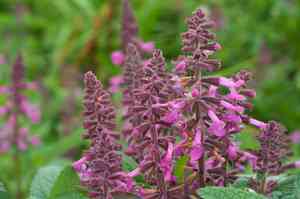
Coastal hedge-nettle, a perennial member of the mint family, is effectively propagated by planting seeds in soil with good drainage. It flourishes in areas with partial sunlight and needs consistent, yet not excessive, watering. To achieve optimal outcomes, ensure the seeds are thinly covered and the soil remains damp until sprouting occurs. Replicating its native coastal environment will significantly improve its development.
When Is the Best Time to Propagate Coastal Hedge-nettle?
Propagation Type
Seeding
Propagation Season
Spring
What Equipment Is Used in Coastal Hedge-nettle Propagation?
Seed Trays
Seed trays are vital for sowing, offering a controlled setting for coastal hedge-nettle seeds to sprout. They enable simple monitoring and care of young seedlings, ensuring consistent moisture and proper drainage.
Seedling Heat Mat
A seedling heat mat helps maintain an ideal soil temperature, especially beneficial for coastal hedge-nettle germination. Consistent warmth speeds up the germination process and enhances seedling vigor.
Humidity Dome
Employing a humidity dome over seed trays can create a damp microenvironment, essential for successful coastal hedge-nettle germination. It aids in retaining moisture and sustaining high humidity levels, promoting healthy seedling growth.
Fine Spray Bottle
A fine spray bottle is useful for misting the soil surface in seed trays without disturbing newly sown coastal hedge-nettle seeds. Gentle misting ensures seeds remain adequately moist for germination without displacement.
Seed Compost
Quality seed compost provides necessary nutrients and a light, well-draining medium for coastal hedge-nettle seeds. Its fine texture facilitates easy root penetration and optimal moisture retention.
Labeling Stakes
Labeling stakes help identify seeds sown in different trays, preventing confusion and ensuring appropriate care for coastal hedge-nettle. Accurate labeling is crucial for tracking germination progress and seedling differentiation.
Sterilized Tools
Sterilized tools, such as small trowels or dibbers, prevent the introduction of contaminants that could harm delicate coastal hedge-nettle seedlings. Sterile tools ensure a sanitary environment, reducing disease risk during propagation.
How to Propagate Coastal Hedge-nettle?
Propagation Type
Simple
How to Care for Your Newly Propagated Coastal Hedge-nettle?
How to Care for Your Newly Propagated Coastal Hedge-nettle?
Ensure well-draining soil and ample sunlight for optimal development. Water moderately, avoiding both waterlogging and drought. Apply mulch around the base to retain moisture and suppress weeds. Regularly inspect for pests and diseases, addressing issues promptly. Pruning after flowering encourages fuller growth and maintains plant health. Provide adequate air circulation to prevent fungal diseases.
Common Errors to Avoid When Propagating Coastal Hedge-nettle
Overwatering
Excessive moisture can lead to root rot, severely impairing the plant's ability to absorb nutrients and potentially causing stunted growth or plant demise.
Poor Soil Drainage
Using soil that holds too much moisture can suffocate roots, leading to decay. It can also worsen problems related to overwatering.
Incorrect Cuttings
Taking cuttings that are either too mature or too young can result in poor root development or complete failure to root.
Lack of Light
Insufficient light can prevent cuttings from photosynthesizing effectively, hindering their growth and overall vitality.
Improper Soil Composition
Using soil that is too dense or lacks proper nutrients can impede root growth and reduce the chances of successful propagation.
Tips For Propagating Coastal Hedge-nettle
Moderate Watering
Water the plant sufficiently to keep the soil moist but not saturated. Proper soil moisture is vital for root establishment without risking rot.
Well-Draining Soil
Ensure the soil mix includes components like sand or perlite to enhance drainage and prevent root rot.
Optimal Cuttings
Select semi-ripe cuttings, which are neither too woody nor too soft, for the best chances of rooting success.
Bright, Indirect Light
Place cuttings in a location with ample indirect sunlight to foster robust growth without the risk of scorching the young plants.
Soil Enrichment
Use a well-balanced, nutrient-rich soil mix to provide essential nutrients that support root development and overall plant health.



