How to Prune Latin globemallow?
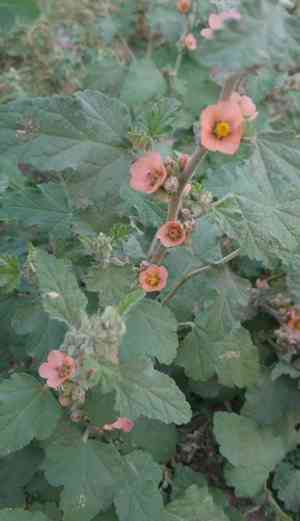
Sphaeralcea ambigua, recognized for its vivid orange blossoms and resilience to arid conditions, thrives with yearly trimming. To achieve peak development, conduct pruning in late winter or early spring prior to the emergence of new shoots. Eliminate any deceased or compromised stalks and shorten elongated branches to foster a more compact form. Consistent trimming stimulates more robust flowering and aids in preserving the plant's structure. Utilize sanitized, sharp implements to avert the dissemination of pathogens. Appropriate pruning elevates Sphaeralcea ambigua's aesthetic value and general vigor.
What Are the Benefits of Pruning Latin Globemallow?
What Are the Benefits of Pruning Latin Globemallow?
Pruning Latin globemallow encourages robust development, maintains its desired form, boosts flowering, manages its size, and enhances its overall look. Trimming aids in pest and disease resistance by eliminating weak or congested growth, fostering a healthier plant structure.
What Is the Best Time for Pruning Latin Globemallow?
What Is the Best Time for Pruning Latin Globemallow?
Trimming or cutting back Latin globemallow during early spring and late winter is optimal for several reasons. Firstly, these periods coincide with the plant's dormant phase, lessening plant stress and reducing the likelihood of disease and pest infestations. Pruning at this time also assists in shaping the plant before its active growth season commences. Additionally, cutting the plant back prior to the new growth cycle promotes healthier and more vigorous development, ensuring the plant can efficiently produce vibrant blooms during its flowering period.
What Tools Do I Need to Prune Latin Globemallow?
Bypass pruners
Bypass pruners are perfect for making clean cuts on living stems and branches up to ¾ inch thick. They help maintain plant health by ensuring precise cuts without crushing plant tissue.
Anvil pruners
Anvil pruners can be utilized for cutting dead or thicker branches, as they offer greater force through their anvil-like cutting action. They are useful for removing older, tougher growth.
Loppers
Loppers are crucial for reaching into the plant's center or working on thicker branches (1-2 inches in diameter). They provide leverage, making it easier to cut through harder wood.
Hand saw
A hand saw is recommended for cutting through larger branches that cannot be handled by pruners or loppers. It is particularly useful for shaping and reducing the plant's size.
Pruning shears
Pruning shears are useful for deadheading flowers and tidying up smaller stems and leaves. They allow for precise control and are beneficial for routine maintenance.
How to Prune Latin Globemallow
Inspection
Carefully examine Latin globemallow for any indications of diseased or withered foliage. These will often appear discolored or shriveled.
Tools Preparation
Prepare clean, sharp pruning shears to ensure precise cuts and prevent the spread of disease.
Remove Diseased
Begin by trimming away any diseased leaves. Cut back to a healthy part of the plant, ensuring no diseased tissue remains.
Remove Withered
Next, prune the withered leaves. Snip these leaves close to their base, ensuring you do not harm the healthy parts of Latin globemallow.
Disposal
Properly dispose of the pruned diseased and withered leaves in a sealed bag or discard in a manner that prevents disease spread. Avoid composting these trimmings.
Common Pruning Mistakes with Latin Globemallow
Over-pruning
Removing too much foliage at once can stress Latin globemallow, leading to poor growth and fewer flowers.
Incorrect tool use
Using dull or inappropriate tools can cause jagged cuts that make the plant susceptible to disease.
Improper cuts
Making cuts too close to the main stem or leaving stubby branches can harm Latin globemallow, affecting its growth and structure.
Ignoring hygiene
Not sanitizing tools between cuts can introduce pathogens and spread disease within Latin globemallow.
Neglecting deadheading
Failing to remove spent flowers can reduce blooming and divert energy away from healthy growth.
Common Pruning Tips for Latin Globemallow
Use sharp tools
Always use clean, sharp pruning shears to ensure precise cuts and minimize damage to Latin globemallow.
Make angled cuts
Cut at an angle just above a node or bud to promote healthy regrowth and proper water runoff.
Deadhead regularly
Remove spent flowers by trimming just above the next set of leaves to encourage continuous blooming in Latin globemallow.
Thin out overcrowded branches
Selective thinning improves air circulation and sunlight penetration, reducing the risk of disease and encouraging vigorous growth in Latin globemallow.
Prune selectively
Focus on removing damaged, diseased, or weak branches, as well as those that cross or rub against each other, to maintain the structural integrity of Latin globemallow.



