How to Propagate Latin globemallow?
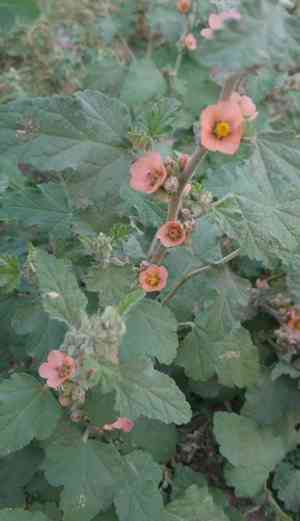
Sphaeralcea bonariensis, a vivid floral variety originating from South America, flourishes optimally in soil that drains effectively. Its reproduction is chiefly accomplished via seeding. For superior outcomes, utilize recently harvested seeds from fully developed capsules. Lightly abrade the seeds and immerse them overnight to enhance their sprouting success. Ensure steady hydration and abundant solar exposure during the initial phases of growth to foster vigorous maturation. Periodically inspect for undesirable plants and insects to support the plant's healthy progression.
Optimal Time for Latin Globemallow Propagation
Propagation Method
Seeding
Propagation Period
Spring
Tools Required for Latin Globemallow Propagation
Seed Trays
Seed trays are vital for planting latin globemallow seeds. They offer a controlled environment for young plants, providing ample room and preventing overcrowding. This setup promotes robust root development.
Potting Mix
A well-draining potting mix is essential for latin globemallow to prevent water accumulation and encourage healthy development. This blend should contain compost, perlite, and sand for ideal texture and nutrient balance.
Heat Mat
Employing a heat mat can speed up the germination of latin globemallow seeds by maintaining a consistent and ideal soil temperature. This tool is especially useful in colder regions or for early spring planting.
Spray Bottle
A spray bottle helps maintain the soil surface's moisture level without disturbing latin globemallow seeds or seedlings. Gentle misting ensures delicate young plants stay hydrated without becoming waterlogged.
Seedling Labels
Labeling helps track various planting dates and seed types. This is crucial for monitoring latin globemallow's progress and making necessary adjustments in care and maintenance.
Grow Lights
If natural light is insufficient, grow lights provide the necessary light spectrum and intensity for latin globemallow seedlings to photosynthesize effectively. This fosters healthy, strong growth during initial stages.
Propagation Dome
A propagation dome placed over seed trays maintains high humidity levels, which is beneficial for the initial germination of latin globemallow. It helps create a mini-greenhouse effect, ideal for tender seedlings.
How to Propagate Latin Globemallow?
Propagation Difficulty
Simple
Caring for Your Newly Propagated Latin Globemallow
Caring for Your Newly Propagated Latin Globemallow
Post-propagation, position latin globemallow in a sunny spot with well-draining soil. Water moderately, avoiding excess to prevent root rot. Apply mulch around the base to retain moisture and suppress weeds. Fertilize with a balanced, slow-release product during the growing season. Regularly inspect for pests and diseases to ensure optimal growth.
Common Errors to Avoid When Propagating Latin Globemallow
Overwatering
Excessive watering can lead to root rot and fungal infections, severely impacting latin globemallow's health and growth.
Inappropriate Soil
Using poorly draining soil can retain too much moisture, causing root rot and inadequate aeration, which is vital for latin globemallow's roots.
Insufficient Light
Lack of sunlight can result in weak and elongated growth, hindering latin globemallow's ability to flourish.
Incorrect Cutting Technique
Improperly taking cuttings can damage plant tissue and reduce the likelihood of successful propagation.
Ignoring Soil pH
Neglecting soil pH can lead to nutrient deficiencies or toxicities, affecting latin globemallow's development.
Tips for Propagating Latin Globemallow
Utilize Well-Draining Soil
Ensure the soil mixture drains effectively to prevent waterlogging and root diseases.
Moderate Watering
Water the plant moderately, keeping the soil slightly damp but never saturated.
Provide Ample Light
Place latin globemallow in a location receiving abundant sunlight, ideally full sun to partial shade.
Proper Cutting
Use sanitized tools to take healthy cuttings, ensuring each cutting has at least two nodes.
Monitor Soil pH
Maintain a slightly alkaline to neutral soil pH to facilitate optimal nutrient absorption.



