How to Prune Least bur-reed?
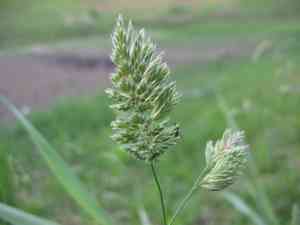
Distinguished by its slender foliage and spherical, bur-like fruit, least bur-reed flourishes in marshlands and shallow aquatic environments. Trimming ought to concentrate on eliminating deceased or compromised leaves to uphold the plant's well-being and visual appeal. The most suitable period for pruning is following the blooming stage, generally from late spring to early summer. Consistent trimming averts excessive density and fosters robust development. Pruning additionally aids in controlling the plant's dimensions and form, guaranteeing least bur-reed continues to be an attractive element in water garden landscapes.
What Are the Benefits of Pruning Least Bur-reed?
What Are the Benefits of Pruning Least Bur-reed?
Trimming least bur-reed encourages robust development by eliminating overgrown or lifeless stems, boosting its overall vitality and look. Strategic cuts help maintain its desired form, stopping the plant from becoming excessively dense and messy.
What Is the Best Time for Pruning Least Bur-reed?
What Is the Best Time for Pruning Least Bur-reed?
Pruning or trimming least bur-reed during Spring and Summer aligns with its active growth period, allowing the plant to recover more efficiently and promote healthier growth. Spring pruning helps remove any dead or damaged parts incurred over winter, thus invigorating least bur-reed's growth as temperatures rise. Summer pruning, particularly after the bloom period, can be beneficial to shape the plant and manage its size, ensuring energy is directed towards the healthiest shoots for continued robust growth. These seasons avoid the dormant phase of least bur-reed in colder months, preventing unnecessary stress that could weaken the plant.
What Tools Do I Need to Prune Least Bur-reed?
Hand pruners
Perfect for cutting through the softer stems of least bur-reed. The bypass type works best as it makes clean cuts that promote healthier regrowth.
Long-handled loppers
Suitable for reaching into denser growth clumps of least bur-reed without causing damage to the plant base or to the person doing the pruning.
Gardening shears
Useful for shaping and managing the spread of least bur-reed, allowing for precise cuts and control over the plant's appearance.
Pruning saw
Helpful for removing thicker, woodier stems that may develop at the base of least bur-reed, ensuring thorough cutting without harming the rest of the plant.
How to Prune Least Bur-reed
Identify
Examine least bur-reed thoroughly to pinpoint diseased or withered leaves as well as affected stems. These parts will appear brown, wilted, or discolored, and may show visible signs of fungal infection or decay.
Sterilize
Before starting the pruning process, ensure all cutting tools are disinfected. Use a solution of one part bleach to nine parts water to sanitize shears and knives. This prevents the spread of disease between plants.
Cut
Carefully remove the diseased and withered leaves and any visibly affected stems. Cut these parts back to where healthy tissue starts, making a clean snip close to the base of least bur-reed. Avoid tearing or damaging the surrounding healthy tissues.
Dispose
After pruning, dispose of the removed diseased and withered parts properly. Do not compost them as they could harbor pathogens or pests. Seal them in a bag and discard them in the trash to prevent re-infection.
Clean
Clean the area around least bur-reed to remove any fallen debris or leaves that may still harbor disease. Also, clean and sterilize all tools used once again after the pruning process to maintain hygiene and prevent future contamination.
Common Pruning Mistakes with Least Bur-reed
Over-pruning
A frequent error is removing too much foliage from least bur-reed, which can stress the plant and hinder its ability to thrive. Least bur-reed should not be pruned too aggressively, as it needs sufficient leaf area to photosynthesize and support its growth and flowering.
Incorrect cutting
Cutting least bur-reed too close to the base can damage the plant. It's important to make cuts on the dead or unnecessary material without harming the healthy parts of the plant. This avoids weakening least bur-reed and increases its vigor and resilience.
Pruning at wrong angles
Incorrect angle cuts on least bur-reed can lead to water logging on the cut surfaces, which increases the risk of disease. Clean, diagonal cuts are crucial for promoting quick healing and preventing issues.
Using unclean tools
Another common mistake is using unsterilized pruning tools on least bur-reed, which can spread disease. Always clean and disinfect tools before and after use to maintain plant health.
Common Pruning Tips for Least Bur-reed
Selective pruning
To enhance the health and appearance of least bur-reed, selectively remove dead or dying foliage, as well as any overcrowded parts. This improves light penetration and air circulation, which are vital for the plant's overall health.
Maintaining plant shape
Prune least bur-reed to maintain its natural form, rather than reshaping it drastically. This helps least bur-reed look aesthetically pleasing while keeping it healthy.
Encourage new growth
Light pruning of older least bur-reed can stimulate new growth, promoting rejuvenation and increased flowering. Focus on snipping away parts that do not contribute to the plant's structure or health.
Regular checks
Regularly inspect least bur-reed for any signs of disease or decay, and prune as necessary to prevent spread. Healthy pruning habits contribute to a robust least bur-reed.



