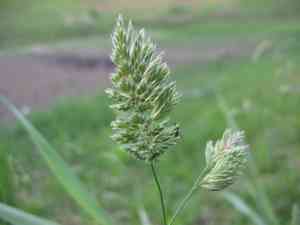
Least bur-reed (Sparganium natans)
Also known as: Little bur-reed
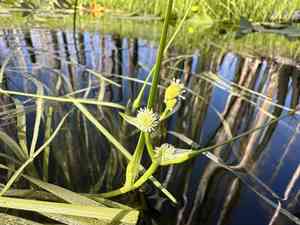
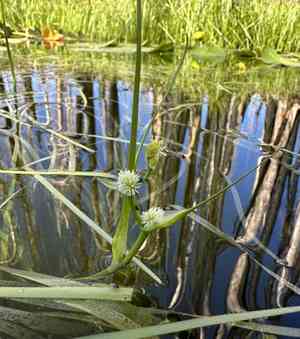
Bur-reed plants feature slender, pliable, grass-like leaves that can float on water surfaces. When growing near the waterline, these leaves tend to be sturdier and shorter. The plant produces two distinct types of inflorescences: the male inflorescences form rounded, white, filamentous clusters, while the female inflorescences are spherical and composed of thick, green, pointed structures. The fruits are small, green or brown achenes.
In This Article
Attributes of Least bur-reed
Lifespan
Perennial
Plant Type
Herb
Plant Height
10 cm to 61 cm
Spread
Spreads up to 1 meter
Leaf Color
Green
Flower Size
0.5-1 cm
Flower Color
White Yellow Green
Images of Least bur-reed
Quickly Identify Least bur-reed
1
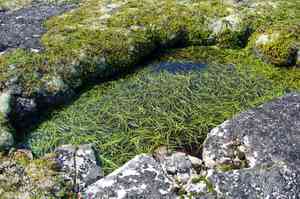
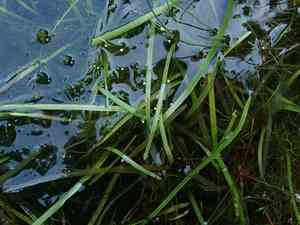
Identify Sparganium natans by its floating, narrow leaves and small, spherical flower clusters. The plant often forms dense mats on the water surface.
Scientific Classification of Least bur-reed
Phylum
Vascular plants
Class
Monocotyledons
Order
Poales
Family
Cattail
Genus
Bur-reeds
Species
Least bur-reed
Planting and Growing of Least bur-reed
Care Difficulty
Easy
Watering Schedule
Every 20 days
Sunlight Requirements
Partial sun
Sunshine Duration
6-12 hours
Ideal Temperature
59-77℉
Soil Type
Potting Mix, Peat Mix
Soil pH
6.5-7.5
Fertilizer Type
Balanced
Pruning Season
Spring, Summer
Pruning Area
Branches, Leaves
Pruning Frequency
Once a year
Repotting Season
Spring
Pot Type
Plastic, Ceramic
 How to Water Least bur-reed?
For Sparganium natans, the watering amount relies on maintaining a constant level of moisture around the roots. Ideally, each watering session should supply about 500 milliliters of water, enough to reach the roots but not so much as to cause waterlogging. The aim is to mimic natural conditions where this plant would be submerged in shallow waters.
What are the symptoms of an underwatered Least bur-reed?
›
What should I do if my Least bur-reed is not getting enough water?
›
What are the symptoms of an overwatered Least bur-reed?
›
How to save an overwatered Least bur-reed?
›
 What Are the Sunlight Requirements for Least bur-reed?
Ideal lighting for Sparganium natans is partial sun, ensuring it gets enough light to perform photosynthesis efficiently. Such conditions foster strong, healthy growth, maintaining the plant’s vivid coloring and vitality.
Preferred Sunlight Type
›
Filtered Light Strategy
›
Light Directness Adjustments
›
 What Is the Ideal Temperature Range for Least bur-reed?
The ideal temperature range for Sparganium natans growth is between 59°F and 77°F. In this range, the plant can efficiently conduct photosynthesis and absorb nutrients, ensuring robust growth and resilient development. Maintaining this temperature helps the plant thrive in its aquatic environment, simulating natural conditions.
 What Soil is Best for Least bur-reed?
Sparganium natans thrives in soils that retain moisture well, which is crucial for maintaining its aquatic nature. A soil that holds water helps the plant stay hydrated, supporting its health and growth. This plant benefits from nutrient-rich soils that provide essential minerals for its development. Nutrient-dense soil promotes vigorous growth and enhances the plant’s overall vitality by ensuring it receives adequate nourishment. While moisture retention is important, it is equally critical that the soil has good drainage to prevent waterlogging. Proper drainage ensures the roots do not suffocate, thereby promoting healthy root development and preventing rot.
 How to Fertilize Least bur-reed?
Sparganium natans, known for its delightful floating appearance, requires light to moderate fertilization. Apply liquid fertilizer at a concentration of 1/4 to 1/2 of the recommended dosage for houseplants to ensure it receives the necessary nutrients without overwhelming its delicate structure.
 How to Prune Least bur-reed?
Begin by identifying and removing old, yellowing, or damaged leaves. This encourages new growth and prevents disease. Cut just above a leaf node or at the base of the stalk if heavily damaged. Focus on shaping the plant to encourage a bushy and full appearance. Trim taller shoots that overshadow others to maintain even growth and allow sunlight to reach deeper parts of the plant for photosynthesis. After pruning, be sure to dispose of clippings responsibly to prevent decay in your aquarium or pond, which can lead to water quality issues. Use a net to remove any floating debris.
More About Pruning Techniques→
 How to Propagate Least bur-reed plant?
1
Begin by preparing a moist, well-draining substrate. For seeds, a mix of peat moss and sand is ideal. The substrate should be evenly moist but not waterlogged to prevent seed rot.
2
Scatter the Sparganium natans seeds over the substrate surface, pressing them lightly into the soil. Seeds should not be covered too thickly, as they require light for germination.
3
For division, carefully excavate an established Sparganium natans plant and gently separate the roots into sections, ensuring each has a portion of the root system and shoots. Replant immediately.
 How to Repot Least bur-reed plant?
1
Watch for signals that Sparganium natans needs repotting. If the plant's leaves are yellowing or roots begin escaping the pot's drainage holes, these are clear signs it’s time to consider repotting. This typically happens every two to three years when the plant outgrows its container.
2
Select a pot that is slightly larger than the current one, with ample drainage holes. A clay pot can aid in regulating moisture levels, crucial for aquatic plants. Ensure the pot provides stability as this species grows. Additionally, the size should support future growth, providing a good balance between space and constraints.
3
Opt for a moist, clay-rich substrate which retains necessary moisture while offering essential nutrients. This type of soil will support Sparganium natans's aquatic nature, preventing dehydration and ensuring steady growth. Avoid using sandy or overly draining soils, which don't hold moisture well.



