How to Propagate Least bur-reed?
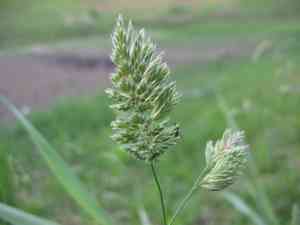
Least bur-reed flourishes most effectively when multiplied via cutting methods. Meticulously acquired stem sections, preferably including a portion of the rhizome, yield a high rate of success. To facilitate root development, it is recommended to ensure a humid setting, replicating least bur-reed's native aquatic environment. Anchor the cuttings in a blend of mud or sandy substrate and sustain continuous dampness until robust development is observed. Cultivate the nascent plants until they are sufficiently developed for their ultimate positioning in watery sites, guaranteeing negligible disturbance during relocation.
Optimal Time for Least Bur-reed Propagation?
Propagation Method
Cutting
Propagation Period
Spring,Summer
Tools for Least Bur-reed Propagation?
Sterile Pruning Shears
Used for taking cuttings of least bur-reed, sterile pruning shears ensure a clean and precise cut, minimizing damage to the plant's tissues. This precision helps in preventing infections at the cut site, which is crucial for the delicate process of propagating least bur-reed.
Rooting Hormone
This chemical substance promotes root growth from cuttings of least bur-reed. By applying rooting hormone to the freshly cut stem, it enhances the chances of successful rooting, which is essential for least bur-reed as it helps in establishing a robust new plant more quickly and effectively.
Propagation Tray
Specifically designed for holding plant cuttings, propagation trays provide an organized environment ideal for the rooting process. Using a tray helps in maintaining the required humidity and temperature, creating an optimal micro-environment for least bur-reed's cuttings to develop roots.
Peat Pots
Peat pots are biodegradable and promote healthy root development without the need for transplanting, which can reduce shock to the new roots of least bur-reed. This is especially beneficial for least bur-reed, as it can be sensitive during the transition to a new growing medium.
Water Mister
A water mister is used to gently water the cuttings of least bur-reed, helping to keep the environment around the cuttings humid without disturbing the fragile new roots with heavy water droplets. Proper hydration is critical for the cuttings of least bur-reed to root successfully.
How to Propagate Least Bur-reed?
Propagation Type
Easy
Caring for Newly Propagated Least Bur-reed?
Caring for Newly Propagated Least Bur-reed?
Once least bur-reed shows new growth and the roots are well-established, transplant the young plants into their final growing location. Choose a site with part-shade to full sun and moist, fertile soil. Regular watering is crucial, especially in dryer periods, as least bur-reed thrives in wet conditions. Periodic application of a balanced, slow-release fertilizer can help promote healthier growth. Monitor for pests and diseases and treat accordingly to maintain the health of least bur-reed.
Common Mistakes to Avoid When Propagating Least Bur-reed
Excessive submersion
Fully submerging the rhizomes or seeds of least bur-reed in water can lead to rotting. Although least bur-reed is an aquatic plant, overly deep or stagnant water inhibits sufficient oxygen supply, which is crucial for healthy development.
Insufficient light
While propagating least bur-reed, a mistake often made is placing the plant in too shaded an area. This can significantly stunt growth, as least bur-reed requires good amounts of sunlight to thrive.
Overuse of fertilizer
Applying too much fertilizer when propagating least bur-reed might seem beneficial but can actually lead to nutrient burn and impaired root development, ultimately reducing the plantâs overall health and vigour.
Tips For Propagating Least Bur-reed
Use shallow water setups
Start the propagation of least bur-reed in shallow water to ensure the rhizomes or seedlings are not overly submerged. This encourages strong root growth and proper access to oxygen.
Moderate sunlight exposure
Ensure least bur-reed receives ample but not excessive sunlight. Optimal light promotes healthy growth and aids in the photosynthesis process, essential for a thriving plant.
Minimal fertilization
Apply a balanced, light fertilizer specially formulated for aquatic plants to avoid overwhelming least bur-reed with excessive nutrients. This supports healthy growth without risking nutrient burn.



