How to Prune Northern bur-reed?
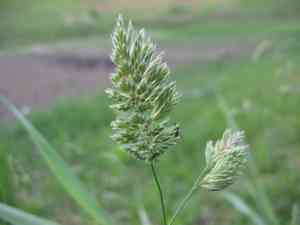
Distinguished by its spherical flower clusters, Sparganium eurycarpum flourishes with infrequent trimming. Remove any deceased or compromised portions during the spring season. Trimming in summer can manage its expansion and improve air circulation. Snip off faded flower stems to deter unwanted self-propagation. The most favorable time for this activity coincides with phases of vigorous development, steering clear of winter reductions. Pruning boosts the plant's health and visual appeal, while also preventing excessive density. Utilizing sanitized, keen implements is crucial to avert disease transmission.
What Are the Advantages of Trimming Northern Bur-reed?
What Are the Advantages of Trimming Northern Bur-reed?
Trimming northern bur-reed promotes more robust development and helps maintain its desired form. Strategic cuts enhance plant vitality and ensure a compact, visually appealing shape, crucial for decorative display.
When Is the Optimal Time for Trimming Northern Bur-reed?
When Is the Optimal Time for Trimming Northern Bur-reed?
Trimming northern bur-reed in the Spring coincides with the plant's awakening from dormancy, providing an opportunity to clear winter damage and shape it before its active growth period. This timing allows northern bur-reed to recover quickly from cuts and directs energy towards new, healthy development. Early Summer trimming is also beneficial, occurring after the initial spring growth surge. This permits the removal of any excessive or unwanted growth and helps preserve northern bur-reed's desired shape and size. Pruning after flowering can prevent northern bur-reed from seeding, if controlling its spread is a goal. Both periods ensure the plant's vigor is maintained and do not interfere with blooming or fruiting cycles typically later in summer or fall.
What Tools Are Necessary to Trim Northern Bur-reed?
Bypass Hand Pruners
Perfect for cutting through softer, green stems of northern bur-reed without harming plant tissues.
Long-Handled Loppers
Offer extended reach for accessing taller stems or growth in water, and leverage for cutting thicker stems that hand pruners cannot manage.
Pruning Saw
Useful for any large, woody stems of northern bur-reed that are too thick for hand pruners and loppers, ensuring a clean cut.
Gardening Gloves
Essential for safeguarding hands from the sharp edges of northern bur-reed and improving tool grip.
Wading Boots
Recommended if northern bur-reed is growing in or near water, allowing safe access for trimming tasks.
Shears
For shaping and trimming the foliage of northern bur-reed in a more controlled manner.
How to Trim Northern Bur-reed
Identify
Thoroughly inspect northern bur-reed to locate diseased leaves, withered leaves, and diseased stems. These parts may appear discolored, spotted, or show other signs of illness or decay.
Sanitize
Before beginning the trimming process, clean and sanitize pruning tools to prevent disease transmission. Use a solution of 1 part bleach to 9 parts water for disinfection.
Cut Diseased Leaves
Using sharp, sanitized pruning shears, carefully remove diseased leaves from northern bur-reed by cutting at the base of the leaf stem, ensuring not to damage healthy tissue surrounding the affected area.
Cut Withered Leaves
Trim withered leaves that are completely brown and brittle. Make the cut at the base where the leaf stem meets the main plant stem, taking care not to snip any new buds or green growth.
Cut Diseased Stems
Identify and remove diseased stems by making a clean cut well below the affected area. The cut should be made at a point on the stem that is healthy and shows no signs of disease.
Common Trimming Errors with Northern Bur-reed
Over pruning
Removing too much of northern bur-reed's foliage at once can stress the plant and impede its ability to photosynthesize effectively.
Improper cut location
Making cuts too close to the main stem or too far from it can harm northern bur-reed and disrupt its natural growth pattern.
Using dull tools
Trimming with dull or dirty tools can create jagged cuts that are more vulnerable to infections and pests.
Neglecting dead material
Failing to remove dead or dying leaves and stems can lead to decay and encourage disease spread within northern bur-reed.
Ignoring plant structure
Trimming without understanding northern bur-reed's growth habit may result in an unbalanced shape or the removal of potentially healthy flowering sites.
Common Trimming Advice for Northern Bur-reed
Clean cuts
Use sharp, clean pruning shears to make precise cuts on northern bur-reed, reducing disease risk and promoting faster healing.
Selective pruning
Identify which stems and leaves of northern bur-reed are dead, damaged, or overcrowding and trim these selectively to maintain plant health and appearance.
Maintenance pruning
Regularly remove dead and decaying material from northern bur-reed to encourage healthy growth and prevent disease.
Cut angle
Make angled cuts on northern bur-reed to allow water to run off and reduce the chances of rot setting in at the cut sites.
Post pruning care
After trimming northern bur-reed, ensure the plant is well-watered and provided with any necessary nutrients to support recovery and new growth.



