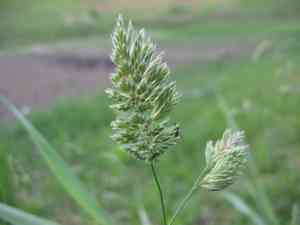
Northern bur-reed (Sparganium glomeratum)
Also known as: Clustered bur-reed
Northern bur-reed flourishes in wet habitats like ponds, marshes, and stream edges. It thrives in shallow, calm waters with abundant sunlight and typically blooms in late summer. In certain U.S. states, it is classified as a noxious weed.
In This Article
Attributes of Northern bur-reed
Lifespan
Perennial
Plant Type
Herb
Plant Height
20 cm to 50 cm
Spread
N/A
Leaf Color
Green
Flower Size
0.5 to 1.5 cm
Flower Color
White Green Brown
Images of Northern bur-reed
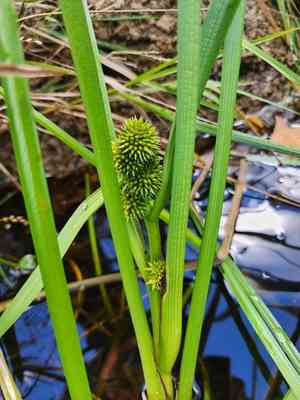
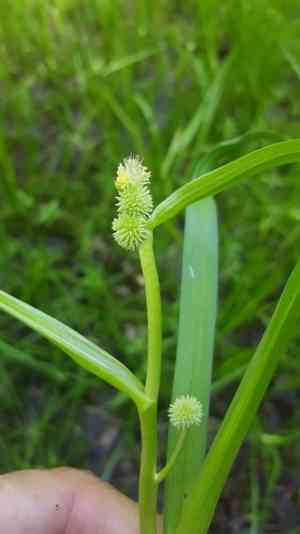
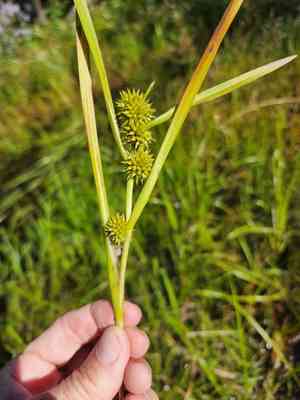
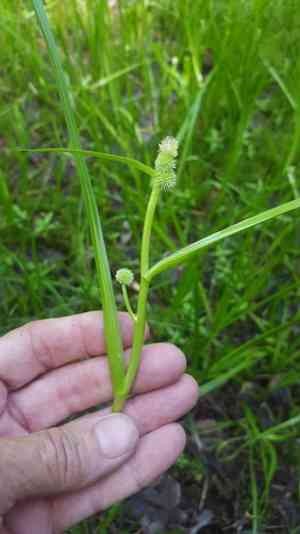
Quickly Identify Northern bur-reed
1
To identify Sparganium glomeratum, look for dense clusters of spherical, bur-like flower heads. Its leaves are long, narrow, and grass-like, emerging from the base of the plant.
Scientific Classification of Northern bur-reed
Phylum
Vascular plants
Class
Monocotyledons
Order
Poales
Family
Cattail
Genus
Bur-reeds
Species
Northern bur-reed
Planting and Growing of Northern bur-reed
Care Difficulty
Easy
Watering Schedule
Every 2 days
Sunlight Requirements
Partial sun
Sunshine Duration
6-10 hours
Ideal Temperature
60-75℉
Soil Type
Potting Mix, Peat Mix
Soil pH
5.5-7
Fertilizer Type
Balanced
Pruning Season
Spring, Summer
Pruning Area
Branches, Leaves
Pruning Frequency
2 times a year
Repotting Season
Spring
Pot Type
Plastic, Ceramic
 How to Water Northern bur-reed?
Ensure that the water reaches a depth of approximately 4-5 inches. Sparganium glomeratum thrives in consistently moist conditions, but avoid waterlogging. Watering should mimic gentle rainfall, soaking the soil to a moderate depth.
What are the symptoms of an underwatered Northern bur-reed?
›
What should I do if my Northern bur-reed is not getting enough water?
›
What are the symptoms of an overwatered Northern bur-reed?
›
How to save an overwatered Northern bur-reed?
›
 What Are the Sunlight Requirements for Northern bur-reed?
Sparganium glomeratum benefits from partial sun exposure, getting 3 to 6 hours of sunlight daily. This balance supports optimal photosynthesis and overall plant vitality.
How much sunlight does Sparganium glomeratum need?
›
What is the best time of day for sunlight?
›
How to achieve ideal sunlight conditions?
›
 What Is the Ideal Temperature Range for Northern bur-reed?
The ideal temperature range for Sparganium glomeratum to thrive is between 60°F and 75°F. This range ensures optimal growth and development of the plant, minimizing stress and maximizing the metabolic functions necessary for healthy foliage and blooming.
 What Soil is Best for Northern bur-reed?
Sparganium glomeratum thrives best in soils that can consistently retain moisture but not become waterlogged. This is crucial as it helps the plant stay hydrated, particularly during dry spells, supporting its lush growth. This plant benefits from soil rich in organic matter, which provides essential nutrients, promoting vigorous growth and robust health. Amending the soil with compost or aged manure is particularly beneficial. Soil structure should facilitate proper aeration, ensuring that the roots receive ample oxygen. This reduces the risk of root rot and supports healthy root development, enabling better nutrient uptake.
 How to Fertilize Northern bur-reed?
For Sparganium glomeratum, the fertilizer amount should be appropriate and balanced. When using liquid fertilizer, dilute to half the recommended strength to avoid damaging the plant roots. Apply around the base to ensure even distribution and minimize runoff.
 How to Prune Northern bur-reed?
Make sure to dispose of any removed plant material safely to prevent the spread of disease or pests. Composting is a good option unless the material is diseased.
More About Pruning Techniques→
 How to Propagate Northern bur-reed plant?
1
Choose seeds from a reliable source, ensuring they are from healthy parent plants. This increases the chance of successful germination and growth.
2
Use well-drained soil with nutrients to support seedling development. Mix organic compost with the soil to increase fertility and aeration.
3
Gently remove the plant from the pot, separate root clumps carefully without causing damage, ensuring each division has roots attached for regrowth.
 How to Repot Northern bur-reed plant?
1
Sparganium glomeratum signals the need for repotting when its roots begin to circle around the pot's perimeter or emerge from the drainage holes. Additionally, if growth appears stunted or water drains exceptionally quickly, it's a sign the plant may have outgrown its current container. Ideal times for repotting are during spring or summer when the plant is actively growing, ensuring it can recover quickly.
2
The ideal pot for Sparganium glomeratum should be one size larger than the previous and have adequate drainage holes to prevent waterlogging. A ceramic or terracotta pot is beneficial as it promotes healthy root aeration and mimics the plant's natural environment, ensuring stable growth conditions and preventing root rot.
3
Select a soil mixture that is rich, loamy, and retains moisture well while still allowing adequate drainage. This type of soil provides the necessary nutrients and environment for the roots of Sparganium glomeratum, preventing them from becoming waterlogged and allowing them to establish themselves effectively after repotting.



