How to Prune Fringeleaf necklacepod?
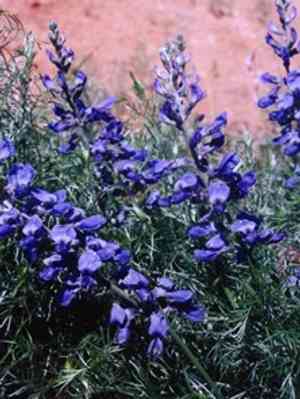
Distinguished by its vibrant yellow blossoms and fine foliage, fringeleaf necklacepod thrives with yearly trimming. The ideal period for this task is in early spring, right before fresh shoots emerge. Concentrate on eliminating any deceased or compromised limbs and reducing crowded sections to enhance air movement and light exposure. Refrain from severe cutting, as fringeleaf necklacepod can be delicate. This practice fosters more robust development and abundant flowering. Consistent upkeep aids in controlling its dimensions and guarantees a verdant look throughout the cultivation period.
What Are the Benefits of Pruning Fringeleaf Necklacepod?
What Are the Benefits of Pruning Fringeleaf Necklacepod?
Trimming fringeleaf necklacepod ensures more robust, vigorous development and maintains its desired form. Regular trimming helps manage its size, boosts flowering, and lowers the chance of pests and diseases, making fringeleaf necklacepod more resilient and visually appealing.
What Is the Best Time for Pruning Fringeleaf Necklacepod?
What Is the Best Time for Pruning Fringeleaf Necklacepod?
Trimming in early spring is considered optimal for fringeleaf necklacepod due to several factors. Firstly, this period aligns with the plant's initial growth phase, allowing it to recover swiftly after being cut. Pruning before new growth begins ensures energy is directed towards healthy new development, enhancing the plant's overall structure and vitality. Additionally, early spring pruning avoids fringeleaf necklacepod's main blooming season, which typically occurs from late spring to summer, thus preserving its aesthetic appeal and ensuring the plant's energy is not diverted from flowering. Gardeners are advised to prune during this time to foster a vigorous and healthy plant.
What Tools Do I Need to Prune Fringeleaf Necklacepod?
Bypass Pruners
Perfect for clean cuts on living branches and stems up to 3/4 inch in diameter, preserving plant health.
Lopping Shears
Suitable for thicker branches up to 2 inches in diameter, providing increased leverage and cutting power.
Pruning Saw
Useful for branches exceeding 2 inches in diameter, ensuring smooth, clean cuts without tearing.
Hedge Shears
Effective for shaping and controlling dense growth, maintaining the plant's form.
Hand Pruners
Ideal for precise trimming of smaller stems and deadheading, promoting healthy growth.
How to Prune Fringeleaf Necklacepod
Inspect
Carefully examine fringeleaf necklacepod for any indications of disease, wilting, or dead branches. Look for discolored or faded leaves and branches that show no new growth.
Tools
Ensure your pruning tools are clean and sharp to prevent disease spread and make precise cuts. Disinfect pruning shears with a solution of one part bleach to nine parts water before and after trimming each branch.
Remove Diseased Leaves
Trim off any diseased leaves first. Cut the leaves at their base, close to the stem, to ensure all affected tissue is removed.
Trim Withered Leaves
Cut away withered leaves by snipping them close to the stem, taking care not to harm healthy parts of the plant.
Cut Dead Branches
Prune dead branches back to a healthy section of the plant. Identify and cut at the point where living tissue is visible, usually indicated by green or moist material inside the branch.
Common Pruning Mistakes with Fringeleaf Necklacepod
Pruning at incorrect angles
Cutting branches at improper angles can impede healing and lead to diseases. Always prune at a 45-degree angle to encourage healthy regrowth.
Over-pruning
Removing too much foliage at once can stress fringeleaf necklacepod, reducing its ability to photosynthesize and potentially weakening the plant. Be conservative with the amount you prune.
Pruning too close to the node
Cutting too close to the node (the point where leaves and branches grow) can damage growth points and hinder new growth. Leave a small stub to protect the node.
Using dull or dirty tools
Dirty or dull pruning tools can cause jagged cuts, increasing the risk of infection. Always use clean, sharp tools.
Ignoring dead or damaged branches
Failing to remove dead or damaged branches can lead to pest infestations and disease, compromising the health of fringeleaf necklacepod.
Common Pruning Tips for Fringeleaf Necklacepod
Use clean, sharp tools
Ensure your pruning shears or loppers are sharp and sanitized. This helps make clean cuts that can heal quickly and reduces the risk of disease.
Cut at a 45-degree angle
Make your cuts at a 45-degree angle to promote quick healing and direct water away from the cuts, which helps prevent rot.
Remove dead and diseased wood first
Start your pruning session by getting rid of any dead or diseased branches. This step can prevent the spread of disease and pests.
Thin out crowded branches
If branches are overcrowded, thin them out to improve air circulation and light penetration. This encourages more robust growth and flowering.
Make gradual cuts
Instead of heavy pruning, make several smaller cuts over time. This allows the plant to adjust and reduces shock.



