How to Propagate Fringeleaf necklacepod?
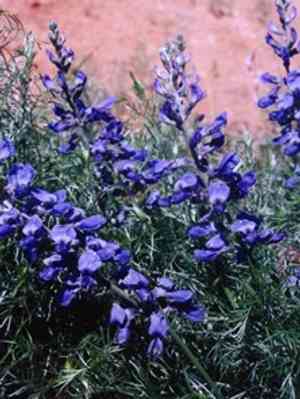
Fringeleaf necklacepod flourishes when propagated via cuttings, a process best achieved by choosing robust, semi-lignified sections. Verify that these cuttings possess several nodes and foliage. Employ a potting blend with good drainage to encourage root formation. Sufficient hydration and diffused light are crucial during the early phases. Rooting compounds can boost successful establishment.
Optimal Time for Fringeleaf Necklacepod Propagation
Propagation Method
Cutting
Propagation Period
Spring,Summer
Tools Required for Fringeleaf Necklacepod Propagation
Pruning Shears
Utilized for taking clean, precise cuttings from fringeleaf necklacepod, minimizing harm to the parent plant and ensuring a healthy cutting. Sharp, sanitized shears help prevent disease and promote quick healing.
Rooting Hormone
Applied to the base of cuttings to encourage root development. This is particularly beneficial for fringeleaf necklacepod, fostering quicker and stronger root formation, thus increasing propagation success.
Propagation Trays
Filled with suitable rooting medium, these trays offer a controlled environment for fringeleaf necklacepod cuttings. They ensure ideal moisture and aeration, crucial for root growth.
Misting System
Helps maintain high humidity levels around fringeleaf necklacepod cuttings, vital for preventing dehydration and encouraging rooting. Regular misting keeps leaves moist, reducing transpiration stress.
Heating Mat
Placed beneath the propagation tray, it provides consistent bottom heat, accelerating the rooting process for fringeleaf necklacepod by maintaining optimal soil temperatures. This is especially useful in cooler climates or off-season.
Scalpel or Grafting Knife
Ensures precise cuts for cuttings, particularly effective for finer stems of fringeleaf necklacepod. A clean cut minimizes tissue damage and optimizes the cutting's ability to absorb water and nutrients.
Transparent Plastic Dome
Covers the propagation tray to create a mini-greenhouse effect. For fringeleaf necklacepod, this helps maintain high humidity and stable temperatures, creating an ideal environment for successful rooting.
Labels and Waterproof Marker
Essential for tracking different batches of cuttings, ensuring fringeleaf necklacepod is accurately identified and monitored throughout the propagation process.
Sterilizing Solution
Used to clean tools and containers to prevent pathogen spread. Regular sterilization is crucial for maintaining the health of fringeleaf necklacepod cuttings, preventing diseases that could hinder rooting success.
Steps to Propagate Fringeleaf Necklacepod
Propagation Difficulty
Moderately Difficult
Post-Propagation Care for Fringeleaf Necklacepod
Post-Propagation Care for Fringeleaf Necklacepod
Once rooted, gradually introduce fringeleaf necklacepod to outdoor conditions. Water consistently but ensure good drainage to prevent root rot. Provide balanced fertilizer monthly during the growing season. Prune as needed to maintain shape and remove dead or diseased parts. Monitor for pests and diseases, keeping foliage dry to reduce risk.
Common Errors to Avoid When Propagating Fringeleaf Necklacepod
Overwatering
Excessive water can lead to root rot, a common problem due to fringeleaf necklacepod's preference for well-drained soil.
Incorrect Soil Type
Using heavy or clay-rich soil can impede root development, as fringeleaf necklacepod thrives in sandy or well-draining soils.
Insufficient Light Exposure
Failure to provide ample sunlight can result in weak, leggy growth, as fringeleaf necklacepod prefers full sun to partial shade.
Improper Handling of Cuttings
Not allowing cut ends to form a callus before planting can lead to infections, compromising successful propagation.
Neglecting Pest Control
Overlooking pest management can lead to infestations, affecting the health of young plants and reducing propagation success.
Tips for Propagating Fringeleaf Necklacepod
Utilize Well-Draining Soil
Ensure the use of sandy or well-draining soil to prevent waterlogged conditions and promote healthy root growth.
Moderate Watering
Water sparingly and only when the topsoil is dry to avoid the risk of root rot, which fringeleaf necklacepod is susceptible to.
Provide Adequate Light
Place cuttings or young plants in a location with full sun or partial shade to ensure robust growth.
Callus Cut Ends
Allow cuttings to dry and form a callus before planting them in soil to reduce the risk of infections and increase rooting success.
Monitor and Control Pests
Regularly inspect for pests and manage infestations promptly to protect the health and vigor of fringeleaf necklacepod during propagation.



