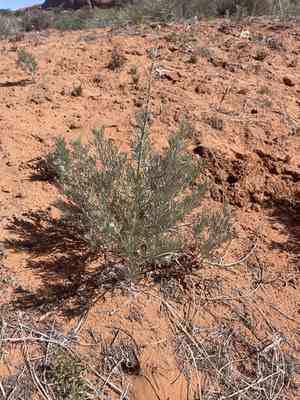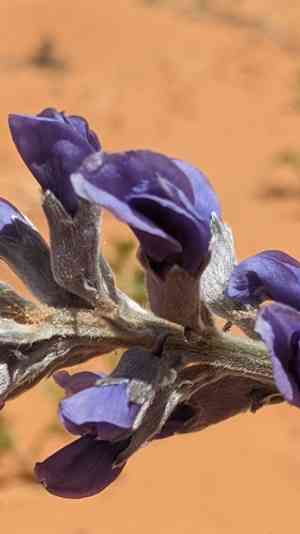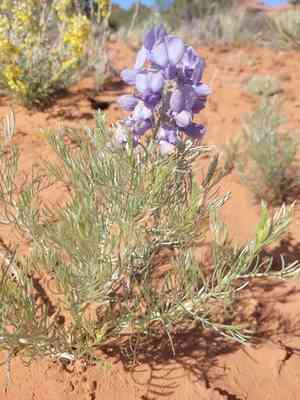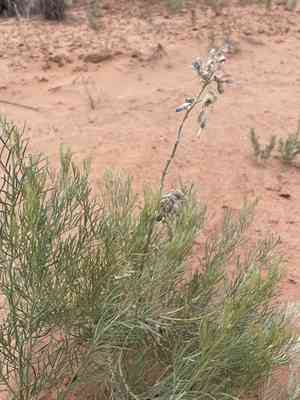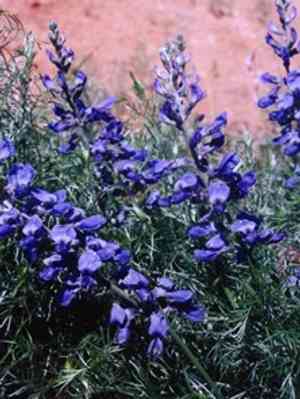
Fringeleaf necklacepod(Sophora stenophylla)

Fringeleaf necklacepod (Sophora stenophylla)

Also known as: Narrowleaf Locoweed, Thin-leaved Sophora

The fringeleaf necklacepod (Sophora tomentosa) is a hardy, deciduous shrub or small tree characterized by its compound leaves and slender leaflets. It adapts well to sandy or less fertile soils. Notable for its bright yellow, pea-like flowers that bloom in clusters, it adds vibrant color to landscapes, usually in spring.

**Growing Conditions**:
- **Sunlight**: Requires full sun for optimal growth.
- **Soil**: Prefers well-drained, sandy soils.
- **Water**: Once established, it is drought-tolerant and requires moderate watering.
- **Climate**: Thrives in warm climates and is well-suited for coastal areas due to its salt tolerance.

This plant is often chosen for coastal landscaping for its ability to stabilize sandy soils and its resilience in tough conditions.

Attributes of Fringeleaf necklacepod

Lifespan
Perennial
Plant Type
Shrub
Plant Height
60-100 cm
Spread
30-60 cm
Leaf Color
Green
Flower Size
1-2 cm
Flower Color
Yellow

ForwardPlant - Identify plants with a snap

Identify and diagnose plants, get toxicity alerts, and explore safety guides for all types of fungi.

Try for Free

Images of Fringeleaf necklacepod

Fringeleaf necklacepod(Sophora stenophylla)

Quickly Identify Fringeleaf necklacepod

1
Sophora stenophylla can be identified by its narrow, linear leaves and the clusters of bright yellow flowers it produces. The plant has a characteristic bushy appearance.

Scientific Classification of Fringeleaf necklacepod

Phylum
Vascular plants
Class
Dicotyledons
Order
Fabales
Family
Legume
Genus
Necklacepods
Species
Fringeleaf necklacepod

Planting and Growing of Fringeleaf necklacepod

Care Difficulty
Moderate
Watering Schedule
Every day
Sunlight Requirements
Full sun
Sunshine Duration
6-10 hours
Ideal Temperature
55-75℉
Soil Type
Potting Mix, Peat Mix
Soil pH
6.5-7.5
Fertilizer Type
Balanced
Pruning Season
Spring, Summer
Pruning Area
Branches, Leaves
Pruning Frequency
2 times a year
Repotting Season
Spring
Pot Type
Plastic, Ceramic

water icon How to Water Fringeleaf necklacepod?

Sophora stenophylla requires approximately 250 ml of water per session. The watering should ensure the soil is thoroughly moist without becoming waterlogged. An ideal rule of thumb is to water until moisture is visible at the drainage holes, indicating deep soil penetration.
What are the symptoms of an underwatered Fringeleaf necklacepod?
What should I do if my Fringeleaf necklacepod is not getting enough water?
What are the symptoms of an overwatered Fringeleaf necklacepod?
How to save an overwatered Fringeleaf necklacepod?

sunlight icon What Are the Sunlight Requirements for Fringeleaf necklacepod?

Sunlight Requirements: Full sun, Partial sun
Duration of light: 6-8 hours per day
Sophora stenophylla ideally requires a combination of full sun to partial sun for optimal growth. This allows it to harness solar energy effectively, promoting sturdy growth and vibrant flower production.
Does Sophora stenophylla prefer full sun?
How can I ensure Sophora stenophylla gets its ideal lighting?
What benefits does ideal lighting bring to Sophora stenophylla?

temperature icon What Is the Ideal Temperature Range for Fringeleaf necklacepod?

Ideal Temperature: 55 ~ 75℉
Sophora stenophylla thrives best in temperatures ranging from 55°F to 75°F. This range ensures that the plant's metabolic activities, such as photosynthesis and respiration, are at their optimum, promoting healthy growth and development.

soil icon What Soil is Best for Fringeleaf necklacepod?

Soil type: Sandy loam, Loam, Sandy soil
Soil PH: 6.5 ~ 7.5
Sophora stenophylla thrives in well-draining soil, which prevents waterlogging and root rot. This type of soil ensures the roots receive adequate oxygen and promotes healthy plant growth. Providing a nutrient-rich substrate aids in vigorous growth for Sophora stenophylla. Essential nutrients promote strong root development and enhance the plant's overall resilience to environmental stress. Soil with good aeration is crucial for Sophora stenophylla, ensuring effective oxygen exchange for roots. This condition is key to optimizing nutrient uptake and promoting lush foliage.

fertilize icon How to Fertilize Fringeleaf necklacepod?

Fertilizer type: Balanced
For Sophora stenophylla, you should apply a balanced fertilizer at the rate of 1 tablespoon per gallon of water for liquid fertilizers. For solid fertilizers, use about 2 ounces per plant. Ensure the soil is moist before applying.

prune icon How to Prune Fringeleaf necklacepod?

Pruning Time: Spring, Summer
Look for dead, damaged, or crossing branches, as well as any growth that detracts from the plant's natural shape. Start by removing these unwanted parts to improve the plant’s health and appearance. Prune branches just above a leaf node or bud to encourage new growth. A slanting cut away from the bud will help water run off and reduce the risk of rot at the cut site. Trim to maintain the desired shape, ensuring the center is open enough to allow air and light through. This setup helps the inner parts of the plant avoid becoming a breeding ground for pests and diseases. More About Pruning Techniques

propagate icon How to Propagate Fringeleaf necklacepod plant?

Propagate Time: Spring, Early spring, Late spring
1
Prepare seed trays with well-draining soil mix, distribute the seeds evenly, and cover lightly with soil. Keep the substrate moist and place trays in a warm, bright area with indirect sunlight.
2
Select healthy, non-flowering shoots about 10 cm long. Cut just below a node, remove lower leaves, and dip the cut end in rooting hormone before planting.
3
Carefully dig up the plant and separate roots or clumps with minimal damage, ensuring each segment has roots attached. Replant immediately in a prepared location.
More About Propagating Techniques

repot icon How to Repot Fringeleaf necklacepod plant?

Repotting frequency: Every 2 years
1
Keep an eye out for roots growing out of drainage holes or on the soil surface. This indicates that your Sophora stenophylla is root-bound, making it a prime candidate for repotting. Another sign is reduced growth or wilting, as congested roots can hinder nutrient uptake.
2
Select a pot that is one size larger than the current one, ensuring it has adequate drainage holes. A slightly larger pot offers the roots enough space to spread without overwhelming them. Terracotta pots are ideal as they provide excellent aeration, crucial for Sophora stenophylla's root health.
3
Choose a well-draining sandy soil mix that mimics the plant's natural habitat. A good mix often includes perlite or pumice, ensuring that water doesn't linger and cause root rot. This type of soil encourages robust root development and prevents waterlogged conditions.

ForwardPlant - Identify plants with a snap

Find the best spots for them to optimize their health, simply using your phone.

Try for Free