How to Prune Bluewitch nightshade?
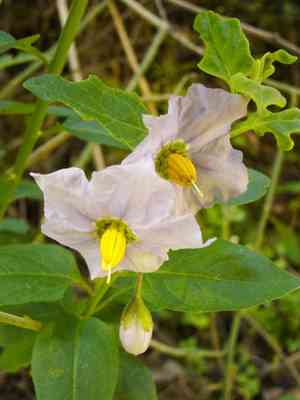
A persistent woody plant featuring purple-blue blossoms, bluewitch nightshade flourishes in bright, arid environments. Trim in early spring or during winter to preserve its form and foster robust development. Initially, eliminate any deceased, injured, or ailing branches, subsequently shortening excessively long stems, prioritizing older wood to stimulate fresh flowering growths. Refrain from drastic trimming to avert strain. Strategic pruning enhances air movement, diminishes insect problems, and encourages vivid flowers for this species resilient to drought.
What Are the Benefits of Pruning Bluewitch Nightshade?
What Are the Benefits of Pruning Bluewitch Nightshade?
Trimming bluewitch nightshade promotes abundant blooms and strengthens its resistance to pests and illnesses, ensuring a vibrant, robust specimen in the garden.
What Is the Best Time for Pruning Bluewitch Nightshade?
What Is the Best Time for Pruning Bluewitch Nightshade?
Early spring is considered an ideal time for pruning bluewitch nightshade because this is when the plant is emerging from dormancy, yet not in full growth mode, which allows for better wound healing and fewer stress effects on the plant. Pruning before the onset of new growth also supports the development of a desirable framework for the season's growth, leading to a healthier plant structure and stimulated flowering or fruiting for species that bloom on new wood. Additionally, removing dead or diseased wood at this time can prevent the spread of pathogens. Winter is also suitable for pruning bluewitch nightshade, especially in late winter just before the spring thaw, because the plant is still dormant, which minimizes sap loss and helps avoid attracting pests that are active during warmer seasons. Pruning during winter can make it easier to see the structure of the plant without leaves, allowing for more strategic cuts. Winter pruning, however, should be performed with care to ensure it does not coincide with periods of extreme cold that can damage freshly cut limbs.
What Tools Do I Need to Prune Bluewitch Nightshade?
Hand Pruners
Perfect for making clean cuts on the slender stems of bluewitch nightshade, minimizing plant damage.
Pruning Shears
These are suitable for snipping small, delicate branches and removing spent flowers from bluewitch nightshade. Their sharp blades allow for precision.
Garden Gloves
Protecting the hands when handling bluewitch nightshade, as contact with any part of the plant may cause skin irritation due to its toxicity.
Loppers
Useful for reaching into dense foliage of bluewitch nightshade and cutting thicker stems that hand pruners might not manage effectively.
Pruning Saw
Helpful for removing mature, woody stems of bluewitch nightshade if needed, though this is less common for this relatively small plant.
Cleaning Solution
Using a bleach or alcohol solution to clean tools helps prevent disease transmission during the pruning of bluewitch nightshade.
How to Prune Bluewitch Nightshade
Disinfect
Before beginning, ensure that pruning tools are clean and sterilized to prevent disease spread to bluewitch nightshade.
Remove Diseased
Cut away any diseased leaves and branches from bluewitch nightshade using sharp pruning shears. Make clean cuts at a 45-degree angle just above a healthy leaf node or lateral branch.
Prune Withered
Remove withered leaves and dead branches by trimming them off to encourage healthy growth and improve air circulation around bluewitch nightshade.
Deadhead
Remove spent flowers to promote further blooming and maintain the attractive appearance of bluewitch nightshade.
Thin Excessive
Thin out excessive growth branches to shape bluewitch nightshade and to ensure that light penetrates to the interior of the plant, fostering an even growth habit.
Common Pruning Mistakes with Bluewitch Nightshade
Overpruning
Removing too much foliage from bluewitch nightshade can stress the plant, leading to weakened defenses against pests and diseases and potentially hindering growth.
Pruning Too Early
Cutting back bluewitch nightshade before the plant is mature enough can prevent it from establishing a strong root system and may reduce its chances for healthy development.
Imprecise Cuts
Making jagged or torn cuts rather than clean, sharp ones can increase bluewitch nightshade's susceptibility to infections and diseases.
Neglecting Tools
Using dull or dirty pruning tools can damage bluewitch nightshade's branches and leave it vulnerable to illness, as well as lead to unsightly cuts that impact the plantâs appearance.
Ignoring Plant Shape
Failing to consider bluewitch nightshade's natural growth pattern when pruning may result in an unnatural or unbalanced shape, potentially affecting its overall health and aesthetic value.
Common Pruning Tips for Bluewitch Nightshade
Sharp Tools
Use clean, sharp pruning shears to make precise cuts that help bluewitch nightshade recover more quickly and defend against disease.
Angled Cuts
Prune branches of bluewitch nightshade at a 45-degree angle to prevent water accumulation and reduce the risk of rot and disease.
Thin Out
Thin out overcrowded areas to promote better air circulation, which can reduce the risk of fungal infections in bluewitch nightshade.
Maintain Structure
Cut back bluewitch nightshade's branches selectively to maintain its natural form, encourage airflow, and allow light to reach the interior of the plant.
Protect Cuts
After pruning bluewitch nightshade, consider treating large wounds with a pruning sealer to protect against infections.



