Enhancing Your Garden Design with the Bluewitch nightshade Plant: A Landscaping Guide
1
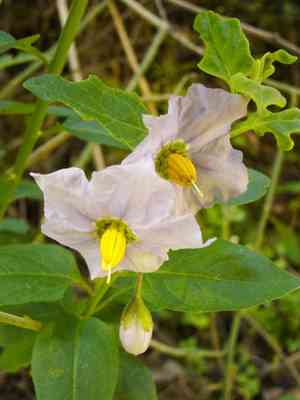
Bluewitch nightshade provides a captivating aesthetic with its distinctive blooms and leaves.
2
For Bluewitch nightshade to thrive, it needs soil that drains well and ample sun exposure.
3
Accompanying plants can improve both the beauty and environmental benefits of Bluewitch nightshade in your outdoor space.
Optimal Placement of Bluewitch Nightshade in Your Garden
Ideal spots for planting Bluewitch nightshade for best development
Selecting the appropriate site for Bluewitch nightshade is vital for its robust growth and your garden's aesthetic. This plant flourishes in open, sunny locations where it receives ample direct sunlight. Consider placing Bluewitch nightshade in areas requiring a splash of color or frequently observed spots, such as near pathways or patio borders. Ensuring Bluewitch nightshade is planted in well-draining soil is crucial for its development, so avoid low-lying areas prone to water accumulation.
Understanding light and soil requirements
For optimal growth, Bluewitch nightshade needs significant sunlightâideally full sun to partial shade. Ensure the plant gets at least six hours of daily sunlight for abundant flowering. The soil must drain well, as Bluewitch nightshade does not thrive in waterlogged conditions. If your garden soil retains too much moisture, consider amending it with organic material or installing a drainage system to improve soil conditions and foster healthy root development.
Companion plants that complement Bluewitch nightshade
Companion planting is a key strategy for a thriving and attractive garden. Pair Bluewitch nightshade with plants that share similar soil and light needs. Suitable companions might include drought-tolerant species such as lavender, sage, or ornamental grasses. These companions not only enhance Bluewitch nightshade visually but can also help deter pests and promote a healthier garden ecosystem. Their contrasting textures and colors can add depth and appeal to your garden landscape.
Caring for Bluewitch Nightshade to Maintain Its Garden Appeal
Essential care guidelines for Bluewitch nightshade
Maintaining Bluewitch nightshade in your garden is relatively simple. Regularly check soil moisture and water the plant as necessary, especially during dry periods. Prune the plant occasionally to maintain its form and encourage new growth. Remove any dead or diseased branches to keep the plant healthy. Fertilize Bluewitch nightshade twice a year with a balanced fertilizer to supply vital nutrients. Applying mulch around the base can help retain moisture and protect the roots.
Common problems and straightforward solutions
Like any plant, Bluewitch nightshade may encounter typical gardening issues such as pests or diseases. Watch for signs of aphids, spider mites, or fungal infections. If you observe any problems, treat them promptly with insecticidal soaps or appropriate fungicides. Ensure the plant has sufficient air circulation by spacing it correctly and preventing overcrowding with other plants. Proper sunlight and watering practices can also minimize these common issues.
Long-term advantages of incorporating Bluewitch nightshade into your landscape design
Including Bluewitch nightshade in your landscaping plan offers long-term benefits. Its resistance to drought and various soil types makes it an easy plant to cultivate. Over time, Bluewitch nightshade can help stabilize soil and reduce erosion, contributing to a healthier garden environment. Its continuous blooms provide ongoing visual interest, enhancing your property's curb appeal. Additionally, Bluewitch nightshade supports local biodiversity by offering nectar and shelter for pollinators like bees and butterflies.



