How to Prune Purple african nightshade?
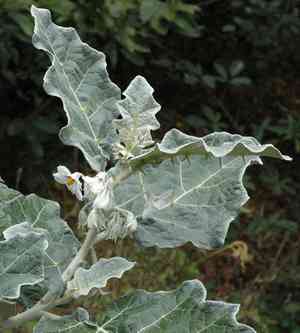
Solanum melongena, recognized for its vivid violet blossoms and verdant leaves, necessitates meticulous trimming. Conduct pruning in early spring to eliminate deceased or compromised limbs and foster robust development. Focus on reducing crowded sections to enhance air movement. Consistent trimming stimulates a greater abundance of flowers and preserves the intended form. Verify that sterile, keen implements are utilized to avert diseases. Synchronize your pruning activities with the plant's developmental rhythm for peak vitality and aesthetic appeal.
Advantages of Trimming Purple African Nightshade
Advantages of Trimming Purple African Nightshade
Purple african nightshade benefits from trimming by growing vigorously and maintaining a desirable shape. This practice supports healthy growth, enhances its appearance, and helps manage its size. Regular pruning also aids in pest and disease resistance.
Optimal Period for Pruning Purple African Nightshade
Optimal Period for Pruning Purple African Nightshade
Pruning purple african nightshade in early spring is ideal because it aligns with the start of its growth cycle. This timing allows the plant to heal quickly and encourages robust new growth before the flowering or fruiting period. Pruning during early spring minimizes stress on the plant and reduces the risk of disease and pest infestations that are more common during active growing periods.
Necessary Tools for Pruning Purple African Nightshade
Hand Pruners
Ideal for making precise cuts on the thinner stems of purple african nightshade. Choose a bypass pruner for clean cuts that promote healthy healing.
Loppers
Useful for cutting thicker branches of purple african nightshade, typically those over 1 inch in diameter. The long handles provide leverage for a clean, smooth cut.
Pruning Saw
Necessary for removing larger, woody branches of purple african nightshade. A pruning saw with a curved blade works best for tight spaces and thicker growth.
Long-Handled Shears
Helpful for reaching and trimming the higher parts of purple african nightshade without the need for a ladder.
Gloves
Protect your hands from potential thorns and the sap of purple african nightshade, which can be irritating to the skin.
Disinfectant Spray
Important for sterilizing tools before and after use to prevent the spread of diseases. Use a solution of 70% isopropyl alcohol.
Method for Pruning Purple African Nightshade
Assess
Inspect purple african nightshade thoroughly to locate diseased leaves, withered leaves, dead branches, and diseased branches.
Clean
Sterilize pruning tools with isopropyl alcohol to prevent the spread of disease.
Remove Diseased Leaves
Cut off any diseased leaves at their base using clean, sharp pruning shears. Dispose of these leaves properly to prevent contamination.
Remove Withered Leaves
Trim withered leaves close to the stem, ensuring no dead material remains attached.
Cut Dead and Diseased Branches
Prune dead and diseased branches back to healthy tissue or to the point of emergence from a primary stem. Ensure cuts are clean and angled away from the bud to promote healing.
Common Pruning Errors with Purple African Nightshade
Improper Technique
Using dull or dirty tools can cause tearing instead of clean cuts, leading to pest and disease issues.
Incorrect Amount
Over-pruning can weaken purple african nightshade, while under-pruning can result in poor air circulation and light penetration, encouraging diseases.
Timing Errors
Pruning too frequently or at inappropriate times may stress the plant and hinder its growth.
General Pruning Advice for Purple African Nightshade
Tool Maintenance
Always use sharp, clean tools to make precise cuts and minimize the risk of infections.
Selective Pruning
Trim away damaged, diseased, or dead branches first. Remove any crossing branches to improve air circulation.
Moderation
Avoid removing more than one-third of the plantâs foliage at a time to prevent shock and allow for recovery.



