How to Propagate Purple african nightshade?
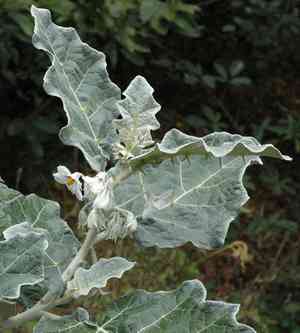
Solanum retroflexum, an African shrub, is primarily multiplied via cuttings. Verify that your cutting implements are disinfected and utilize either tender or partially hardened wood sections. Position these sections in a substrate that drains effectively and sustain uniform dampness. Rooting stimulants can boost the likelihood of success. Offer diffused illumination to avert leaf burn and foster robust development.
Optimal Time for Purple African Nightshade Propagation
Propagation Method
Cutting
Propagation Period
Spring,Summer
Tools for Purple African Nightshade Propagation
Sharp Pruning Shears
These are crucial for making clean, precise cuts without harming the plant. They minimize stress on purple african nightshade and reduce the chance of disease entering through ragged cuts.
Rooting Hormone
This powder or gel aids in stimulating root development in cuttings, boosting the likelihood of successful propagation for purple african nightshade. It's especially helpful in fostering robust root formation.
Sterilized Potting Mix
A well-draining, sterile potting medium offers an ideal setting for cuttings to establish roots. It lowers the risk of fungal infections and soil-borne illnesses, which are vital for maintaining the health of purple african nightshade.
Propagation Trays
These trays provide a controlled environment for nurturing cuttings until they develop sufficient root systems. They assist in organizing and managing multiple cuttings effectively.
Humidity Dome
Employing a humidity dome maintains high moisture levels, which are essential for purple african nightshade cuttings to prevent drying out and encourage root formation.
Spray Bottle
This is utilized to mist the cuttings regularly and keep the surroundings humid. It ensures the leaves of purple african nightshade do not dehydrate during the rooting phase.
Heating Mat
A heating mat placed beneath the propagation trays can supply consistent bottom warmth, promoting quicker root development for purple african nightshade by maintaining an optimal temperature range.
Propagating Purple African Nightshade
Propagation Difficulty
Moderately Difficult
Caring for Newly Propagated Purple African Nightshade
Caring for Newly Propagated Purple African Nightshade
Purple african nightshade requires post-propagation care focused on maintaining consistent soil moisture and providing ample light while avoiding direct, harsh sunlight. Regularly check for pests and disease, and fertilize monthly with a balanced fertilizer to support strong growth. As purple african nightshade matures, gradually transition it to full sun exposure to ensure robust development.
Common Propagation Mistakes for Purple African Nightshade
Overwatering
Excess moisture can lead to root rot, which is detrimental for the plant's development and overall health.
Improper Soil Mix
Using soil that is too dense or retains too much water can suffocate roots, leading to poor growth.
Lack of Light
Insufficient light can result in weak and spindly growth, impairing the plant's ability to thrive.
Inadequate Temperature Control
Exposure to temperatures beyond the plantâs tolerance range can hinder germination and growth, leading to poor propagation outcomes.
Tips For Propagating Purple African Nightshade
Soil and Drainage
Use a well-draining potting mix to prevent root rot and ensure the roots have adequate air circulation.
Water Management
Maintain consistent moisture but avoid waterlogging. Let the soil dry out slightly between watering.
Lighting
Ensure the plant receives at least 6 hours of indirect sunlight daily to promote healthy growth.
Temperature
Keep the plant in a stable environment within the temperature range of 60-75°F (15-24°C) to encourage optimal growth.



