How to Prune Tomato?
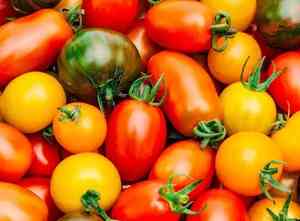
A member of the Solanaceae family, the tomato plant is recognized for its palatable produce. Key pruning methods involve eliminating lateral shoots, decapitating the main stem, and reducing the number of fruits in clusters. This horticultural practice should be carried out from the beginning of spring until the end of autumn, aligning with the plant's developmental stages. Through judicious trimming of tomato, air circulation and light exposure are enhanced, thereby lowering the likelihood of illness and elevating the caliber of the fruit. It is imperative to employ sanitized, keen implements to avert injury and the spread of pathogens to tomato.
What Are the Benefits of Pruning Tomato?
What Are the Benefits of Pruning Tomato?
Trimming tomato promotes a stronger, more fruitful plant. Eliminating extra leaves and non-fruiting branches improves air circulation and light exposure, boosting vitality and yield. It also helps maintain a manageable size and shape.
What Is the Best Time for Pruning Tomato?
What Is the Best Time for Pruning Tomato?
Early spring trimming is vital as it prepares tomato for the upcoming growth period, allowing gardeners to remove any dead or diseased foliage and to shape the plant before its rapid growth phase. This timing ensures the plant directs its energy towards developing robust, new growth that will bear fruit. During the growing season, light trimming can enhance air movement around the leaves and aid in disease prevention. Late fall trimming is suitable for clearing away spent or unproductive stems after the fruiting period has concluded, but it's important to leave sufficient foliage to avoid stressing tomato as it enters colder months. These periods are optimal as they align with tomato's natural growth cycle, fostering plant health, more effective flowering, and abundant fruit production.
What Tools Do I Need to Prune Tomato?
Bypass Pruners
These are ideal for precise cuts on small stems and suckers of tomato. The clean cuts from bypass pruners help prevent disease and plant damage.
Scissors
Utilize sharp gardening scissors for thinning and shaping tomato without causing undue stress to the stems.
Gloves
Wearing gloves while trimming tomato protects the gardener's hands from cuts and plant sap, which can irritate some skin types.
Garden Shears
Garden shears or snips are useful for cutting through thicker growth and can be employed when needing to shape tomato or control its size.
Disinfectant
Using a disinfectant to clean tools before and after trimming tomato ensures diseases are not spread between plants.
Pruning Saw
While not typically required for tomato, a pruning saw could be included for removing any larger branches that might develop, especially in larger indeterminate varieties.
How to Prune Tomato
Step1: Disease Inspection and Trim Timing
Examine tomato for any signs of yellow leaves, withered branches, unhealthy stems, diseased parts, and suckers needing removal. Perform this step in the early morning or on a dry day to minimize disease transmission risk.
Step2: Pruning Tool Sterilization
Use clean, sharp pruning shears or scissors for precise cuts. Sterilize tools before and after use with a solution of one part bleach to nine parts water to prevent disease spread.
Step3: Cutting Yellow Leaves and Diseased Parts
To remove yellow leaves or diseased portions, cut the leaf stem close to the main stem at a 45-degree angle, ensuring no damage to the main stem. Remove all leaves showing signs of yellowing or disease.
Step4: Trimming Withered Branches and Unhealthy Stems
When trimming withered branches or an unhealthy stem, locate the point of healthy growth nearest the damage. Make the cut just above this node at a 45-degree angle to encourage new growth.
Step5: Sucker Removal for Energy Direction
For sucker removal, pinch or snip suckers that form in the axils between the main stem and branches when they are small, ideally under two inches long. This redirects energy to fruit production.
Step6: Disposal of Pruned Plant Debris
After trimming, remove all cuttings from the area to prevent any dormant diseases on the plant debris from infecting tomato later.
Step7: Regular Pruning and Plant Monitoring
Monitor tomato regularly, repeating the trimming process as needed to keep the plant healthy and promote a more fruitful yield. Aim to prune at least once a week during the peak growing season.
Post-Pruning Care for Tomato
Post-Pruning Care for Tomato
After trimming tomato, immediately water the plant to reduce stress. Ensure tomatos are in an environment with optimal light, moderate humidity, and a temperature between 65°F and 75°F to aid recovery. Apply a balanced fertilizer to support vigorous growth. Regularly inspect tomato for signs of stress or disease, such as wilting or discolored leaves, and treat with appropriate fungicides or pest control measures if necessary.
Common Pruning Mistakes with Tomato
Incorrect Stem Selection Reduces Yield
Failing to choose the right stems to prune, such as removing too many leaves and productive stems, which can decrease tomato yield.
Over-Pruning Causes Stress and Disease Susceptibility
Trimming too aggressively, which can stress tomato plants and make them more vulnerable to diseases and pests.
Tool Sterilization Neglect Spreads Disease
Ignoring the need to sanitize cutting tools, risking the spread of diseases among tomato plants.
Lack of Support Post-Pruning Risks Stem Damage
Neglecting to support trimmed tomato plants, which might lead to broken stems and damage due to the fruit's weight.
Failing to Remove Suckers Affects Airflow and Sunlight
Overlooking sucker removal, resulting in excessive foliage, which can hinder air circulation and sunlight penetration in tomato.
Common Pruning Tips for Tomato
Remove Suckers to Boost Fruit Production
When trimming tomato, focus on removing suckers, which are small shoots forming in leaf axils, to direct more plant energy to fruit production.
Prune Foliage for Better Airflow and Sun Exposure
Ensure only the necessary amount of foliage is removed to improve air circulation and sun exposure; this aids efficient fruit ripening on tomato.
Sanitize Shears to Prevent Disease Spread
Regularly sanitize pruning shears with a solution of one part bleach to nine parts water to prevent disease spread in tomato plants.
Support Plants to Handle Fruit Weight After Pruning
Provide adequate support to tomato after trimming, such as staking or caging, to help the plant bear fruit weight and reduce stem breakage risk.
Trim Ground Touching Leaves to Avoid Diseases
Trim off any leaves touching the ground to minimize the risk of soil-borne diseases affecting tomato.
Maintain Airflow with Regular Pruning for Disease Reduction
Regularly check and gently prune any overgrown areas to maintain good airflow, crucial for reducing disease likelihood in tomato.



