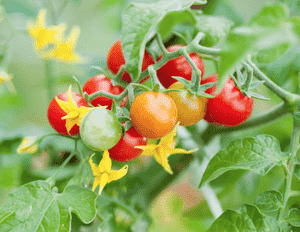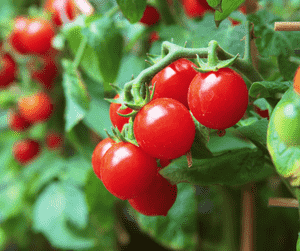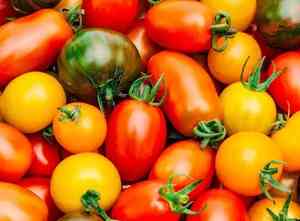
Tomato(Solanum lycopersicum)

Tomato (Solanum lycopersicum)

Also known as: Tomato plant

Solanum lycopersicum, commonly known as the tomato plant, is a herbaceous vine native to the Andean region of South America, including parts of Peru, Ecuador, and northern Chile. It produces the widely consumed and versatile fruit known as the tomato. With over 10,000 cultivated varieties, tomatoes are a staple in cuisines worldwide. While often referred to as a vegetable in culinary contexts, tomatoes are botanically classified as fruits.

Attributes of Tomato

Lifespan
Annual, Perennial
Plant Type
Herb
Plant Height
1 m to 3 m
Spread
1.5 m
Leaf Color
Green
Flower Size
2 cm to 2.5 cm
Flower Color
Yellow Gold

ForwardPlant - Identify plants with a snap

Identify and diagnose plants, get toxicity alerts, and explore safety guides for all types of fungi.

Try for Free

Images of Tomato

Tomato(Solanum lycopersicum)

Quickly Identify Tomato

1
Sticky glandular hairs on stems
2
Compound leaves with serrated edges
3
Distinctive star-shaped yellow flowers
4
Colorful glossy berries with fuzzy seeds
5
Alternate velvety leaves with pungent aroma

Scientific Classification of Tomato

Phylum
Vascular plants
Class
Dicotyledons
Order
Nightshades, bindweeds, gooseweeds, and allies
Family
Nightshade
Genus
Nightshades
Species
Tomato

Planting and Growing of Tomato

Care Difficulty
Easy
Watering Schedule
Every 8 days
Sunlight Requirements
Full sun
Sunshine Duration
4-8 hours
Ideal Temperature
65-85℉
Soil Type
Potting Mix, Peat Mix
Soil pH
6.5-7.5
Fertilizer Type
Balanced
Pruning Season
Spring, Summer
Pruning Area
Branches, Leaves
Pruning Frequency
2 times a year
Repotting Season
Spring
Pot Type
Plastic, Ceramic

water icon How to Water Tomato?

For Solanum lycopersicum, it's crucial to water until the soil is thoroughly moist but not waterlogged. The amount, approximately 500 ml, should ensure the water reaches the root zone without sitting in the pot. This helps avoid root rot and ensures optimal growth conditions.
What are the symptoms of an underwatered Tomato? ›
What should I do if my Tomato is not getting enough water? ›
What are the symptoms of an overwatered Tomato? ›
How to save an overwatered Tomato? ›
More About Watering Techniques→

sunlight icon What Are the Sunlight Requirements for Tomato?

Sunlight Requirements: Full sun
Duration of light: 6-8 hours daily
Solanum lycopersicum thrives in full sun. Sufficient light ensures productive photosynthesis, robust growth, and abundant, well-flavored fruits, essential for healthy tomato plants.
How much light does Solanum lycopersicum need? ›
What are solutions for inadequate light exposure? ›
What benefits arise from optimal light exposure? ›
More About Sunlight Requirements Techniques→

temperature icon What Is the Ideal Temperature Range for Tomato?

Ideal Temperature: 65 ~ 85℉
The ideal temperature range for growing Solanum lycopersicum, commonly known as the tomato plant, is between 65°F to 85°F. In this temperature range, the plant can optimally perform photosynthesis, develop fruits, and maintain overall health.

soil icon What Soil is Best for Tomato?

Soil type: Loam, Sandy loam
Soil PH: 6.5 ~ 7.5
Tomatoes benefit from well-drained soil to prevent waterlogged conditions that can lead to root rot. Ensuring the soil drains efficiently encourages healthy root development and improves nutrient uptake. Rich, organic soil packed with nutrients supports vigorous tomato plant growth and fruitful yields. Adding compost or well-rotted manure increases soil fertility, particularly in longer growing seasons. Optimal aeration ensures roots have access to air, promoting effective growth and reducing the risk of disease. Loosening the soil structure through tilling or adding organic matter aids in achieving this profile. More About Soil→

fertilize icon How to Fertilize Tomato?

Fertilizer type: Balanced
For Solanum lycopersicum, also known as tomato plants, a moderate amount of fertilizer is essential. An ideal approach is to use 1-2 tablespoons of balanced 10-10-10 NPK fertilizer per plant every two weeks. This ensures the plant gets adequate nutrients without the risk of over-fertilization. More About Fertilizing Techniques→

prune icon How to Prune Tomato?

Pruning Time: Spring, Summer
Suckers are small shoots that grow at the joint between a leaf and a stem. Look for these in the leaf axils (the area where the leaf meets the stem) and remove them to focus energy on fruit production. Using your fingers or clean pruning shears, pinch or cut off the suckers when they are still small (2-4 inches long) to prevent them from drawing nutrients away from the main plant. Trim the lower leaves that touch the ground to avoid fungal infections and improve air circulation around the base. This also helps in limiting chances of soil-borne diseases affecting the plant. For determinate varieties, minimal pruning is needed as they tend to grow to a specific size and stop. For indeterminate varieties, more frequent pruning is beneficial to support continuous growth and fruiting. More About Pruning Techniques→

propagate icon How to Propagate Tomato plant?

Propagate Time: Early spring, Spring, Late spring, Early summer
1
Begin by filling seed trays with a sterile seed-starting mix, gently pressing seeds into the surface, and lightly covering them. Keep trays in a warm location to encourage germination.
2
Select healthy stems from the parent plant and cut 4-6 inch long sections below a node. Remove any leaves near the base to prepare the cutting for rooting.
3
Choose compatible rootstock and scion. Cut both ends at a matching angle and secure them together with grafting tape. Store in a humid environment to facilitate union.
More About Propagating Techniques→

repot icon How to Repot Tomato plant?

Repotting frequency: Annually or biannually
1
You should consider repotting Solanum lycopersicum when you notice roots coming out from the drainage holes or a slowdown in growth. Early spring or early summer is the ideal time, as the plant will benefit from the warmth and can establish itself well before fruiting season.
2
The ideal pot for repotting should be one size larger than the current container. Ensure it has ample drainage holes to prevent waterlogging, which can cause root rot. The material doesn't matter as much as drainage, but terracotta pots can offer better aeration and are aesthetically pleasing in garden settings.
3
Opt for a well-draining loamy soil enriched with organic matter. This soil type retains necessary moisture while allowing excess water to escape, preventing root rot. The added nutrients from the organic material promote healthy growth and a better harvest.

ForwardPlant - Identify plants with a snap

Find the best spots for them to optimize their health, simply using your phone.

Try for Free

Toxicity of Tomato

Is Tomato toxic to cat?

Tomatoes are regarded as toxic for cats. If felines mistakenly ingest the plant, especially its leaves, roots, or stems, they may suffer from poisoning. If a cat consumes any part of the plant, it could exhibit signs of discomfort or sickness. In this situation, it is crucial to respond promptly and take the animal to a veterinary clinic to ensure it receives appropriate treatment and care.

Is Tomato toxic to dog?

Tomato is identified as toxic for dogs. If dogs inadvertently consume parts of this plant, especially the leaves, roots, and stems, they may experience poisoning. Following the ingestion of tomato, a dog might show symptoms including gastrointestinal distress, lethargy, or more severe reactions depending on the quantity consumed. It is essential for dog owners to supervise their pets and restrict their access to tomato. Should a dog consume any part of a tomato plant, it is critical to obtain prompt veterinary assistance to secure the optimal outcome for the pet.

Identify toxic plants for your safety

Learn which plants are harmful to you and your pets, and make informed choices for a safer home!

Try for Free
WARNING
The judgment on toxicity and danger is for reference only. We DO NOT GUARANTEE any accuracy of such judgment. Therefore, you SHALL NOT rely on such judgment. It is IMPORTANT TO SEEK PROFESSIONAL ADVICE in advance when necessary.
More About Toxic Techniques→