How to Propagate Tomato?
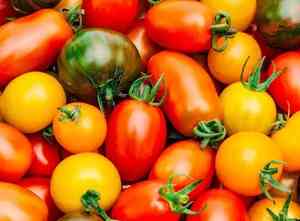
Tomato plants are most effectively propagated by planting seeds in the springtime. This process is relatively straightforward for those new to gardening. Evidence of successful propagation includes the emergence of new foliage and the formation of buds. To achieve the best outcomes, guarantee appropriate levels of humidity and warmth.
Optimal Time for Tomato Propagation
Propagation Method
Sowing
Propagation Period
Spring
Tools for Tomato Propagation
Seedling Trays
Individual-celled seedling trays are perfect for planting tomato seeds, facilitating easy handling and proper spacing. These cells prevent root intertwining and allow for simple transplanting without disturbing the root system, which is crucial for tomato whose roots are sensitive to disruption.
Seed Starting Mix
A high-quality, sterile seed starting mix is vital for tomato seeds, offering an appropriate texture and nutrient balance for initial growth. Such a mix also helps prevent soil-borne illnesses that could harm young tomato seedlings, promoting healthier development.
Heating Mats
Heating mats are utilized to warm the soil, which can accelerate the germination process for tomato seeds. Consistent and suitable soil temperature is essential for successful tomato germination, as it thrives in warmer conditions.
Grow Lights
Grow lights supply the necessary light spectrum to encourage robust and healthy growth of tomato seedlings when natural light is insufficient, such as early in the season or indoors. Sufficient light prevents seedlings from becoming elongated and weak.
Misting Bottle
A misting bottle is employed to gently water tomato seedlings without disturbing the soil or harming delicate young plants. Proper hydration is critical during the early stages of tomato growth, and misting helps maintain correct moisture levels without causing soil erosion or seed displacement.
Plastic Domes or Covers
Plastic domes or covers are used to create a humid environment that retains moisture and warmth around tomato seedlings. This microclimate can speed up germination and help maintain consistent growth conditions. However, regular ventilation is important to prevent fungal growth.
Fertilizer
A balanced fertilizer, applied at the correct stage of tomato seedling development, contributes to the plant's health and vigor. A formula low in nitrogen and high in phosphorus is best for promoting strong root development, which is crucial for the successful growth of tomato.
How to Propagate Tomato?
Propagation Method
Sowing
Difficulty Level
Easy
Caring for Newly Propagated Tomato
Caring for Newly Propagated Tomato
Post-propagation care involves maintaining consistent watering to keep the soil evenly moist but well-drained, providing support for tomato plants as they grow, regularly applying a balanced fertilizer, and ensuring adequate sunlight exposure. It also includes monitoring for pests and diseases and providing necessary protections like suitable pesticides and crop rotation. Pruning can also benefit tomato by improving air circulation and directing energy to fruit production.
Common Errors to Avoid When Propagating Tomato
Overwatering
Gardeners might assume more water is better for tomato, but excessive moisture can lead to fungal diseases or root rot. This can severely impact the plant's health and limit its ability to absorb nutrients and water effectively.
Deep planting
Planting tomato seeds or seedlings too deeply can impede their growth, as tomato requires warmth and sufficient light to germinate. If seeds are buried too deep, they might fail to emerge, while seedlings struggle to develop strong stems.
Ignoring soil ph
Not adjusting the soil to the slightly acidic pH preferred by tomato can result in poor nutrient uptake and weak plants. An incorrect pH level can block the availability of essential nutrients, causing deficiency symptoms.
Neglecting acclimatization
When tomato seedlings are not gradually acclimatized to outdoor conditions, they can suffer from transplant shock. This abrupt change can stunt growth or even kill young plants due to sudden exposure to elements like wind and sun.
Overcrowding
Placing tomato too close together restricts air circulation, which can encourage disease spread. Poor spacing also leads to competition for light, water, and nutrients, affecting the growth and yield of tomato.
Tips For Propagating Tomato
Correct planting depth
Place tomato seeds at the optimal depth of 0.25 inches and cover them lightly with soil. For seedlings, ensure the root ball is level with the soil surface, as proper depth promotes healthy root and stem development.
Seed selection
Use high-quality and disease-resistant seeds for tomato to increase the chances of vigorous growth and a bountiful harvest.
Soil preparation
Prepare a well-draining soil mix with ample organic matter and adjust the pH to between 6.0 and 6.8, which is ideal for tomato growth. This helps ensure strong roots and better nutrient absorption.
Hardening off seedlings
Gradually expose tomato seedlings to outdoor conditions over a week or two to reduce transplant shock. Increase the time they spend outside each day to strengthen them against the elements.
Adequate spacing
Space tomato properly by following specific variety recommendations to ensure sufficient light penetration and air circulation, minimizing the risk of diseases and allowing for robust growth.



