How to Prune Wiry blue-eyed grass?
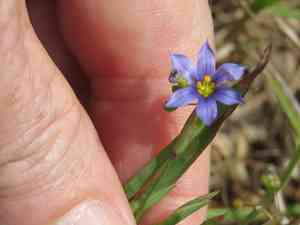
Recognized for its fine, grass-like look and stellar blue blossoms, wiry blue-eyed grass needs very little trimming. The ideal period for pruning is in the initial part of spring or the latter portion of winter. Eliminate any withered or compromised leaves to foster robust development and boost flowering. Refrain from extensive cutting, as this can put strain on the plant. Trimming encourages improved air movement and deters illness. Always employ sanitized, keen implements for accurate incisions, guaranteeing the plant stays lively and flourishing.
Advantages of Trimming Wiry Blue-eyed Grass?
Advantages of Trimming Wiry Blue-eyed Grass?
Trimming wiry blue-eyed grass promotes robust development and maintains its desired form. It encourages healthy, dense foliage and more abundant flowering. Regular trimming also helps prevent disease and pest infestations, ensuring the plant remains strong and visually appealing.
Optimal Time for Trimming Wiry Blue-eyed Grass?
Optimal Time for Trimming Wiry Blue-eyed Grass?
Trimming during late winter and early spring allows the plant a dormant period to heal cuts before the new growth season. This timing also reduces the risk of disease and stress, as the plant hasn't fully emerged from dormancy. Trimming in these seasons promotes healthy growth and prepares the plant for its blooming period, maximizing the aesthetic appeal and vitality of wiry blue-eyed grass.
Tools Required for Trimming Wiry Blue-eyed Grass?
Bypass Pruners
Perfect for clean cuts on slender stems and leaves, minimizing plant harm. Suitable due to their precision and ease of use.
Hand Shears
Useful for routine trimming and maintaining the shape. Effective for handling multiple stems simultaneously.
Sharp Scissors
Ideal for precise snipping of dead or damaged parts without disturbing surrounding growth. Accuracy is crucial for delicate areas.
Pruning Knife
Helpful for cleanly removing old, dead growth. Ensures sharp cuts which promote healthy regrowth.
How to Trim Wiry Blue-eyed Grass
Identify
Examine wiry blue-eyed grass for any leaves showing clear signs of disease or that are visibly withered and dead.
Tools
Gather sterilized pruning shears or scissors to prevent disease spread and ensure clean cuts.
Trim diseased
Carefully cut away diseased leaves close to their base or attachment point, taking care not to harm healthy parts of wiry blue-eyed grass.
Trim withered
Remove withered or dead leaves by trimming them at their base, similar to the method used for diseased leaves.
Cleanup
Collect all trimmed leaves and debris from around wiry blue-eyed grass to prevent any potential spread of diseases and maintain a clean growing environment.
Common Trimming Errors with Wiry Blue-eyed Grass
Over-trimming
Excessively removing foliage can stress wiry blue-eyed grass and hinder its growth. Itâs important to avoid cutting back more than a third of the plant at once.
Incorrect tool usage
Using dull or unsuitable tools can cause jagged cuts, increasing disease risk. Always use clean, sharp shears specifically for delicate plants.
Improper cutting technique
Cutting too close to the base or not at an angle can harm the plant. Ensure cuts are made at a slight angle to prevent water accumulation and rot.
Neglecting deadheading
Failing to remove spent blooms can reduce flowering and overall plant vigor. Regular deadheading encourages continuous blooming.
General Trimming Advice for Wiry Blue-eyed Grass
Use sterilized tools
Always sterilize pruning tools before use to prevent disease spread. This is especially important for wiry blue-eyed grass as it is prone to infections through open wound sites.
Focus on shape and form
Trim wiry blue-eyed grass to maintain its natural clump-forming habit, removing any disproportionate or tangled growth to promote symmetry and health.
Target dead or damaged foliage
Regularly remove any dead, damaged, or diseased foliage to improve airflow and redirect the plantâs energy towards healthy growth and blooms.
Encourage new growth
Trim away old, weak stems and thin out overgrown clumps from the base to encourage robust new growth and prevent overcrowding.



