How to Propagate Wiry blue-eyed grass?
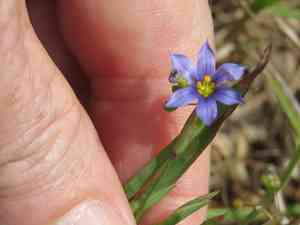
Slender blue-eyed grass is a robust perennial from the Iridaceae family, recognized by its delicate, thread-like stalks and vivid azure blossoms. The most effective propagation method involves separating the tubers, making sure each segment possesses healthy roots for faster growth. Tubers ought to be placed in soil that drains efficiently, with sufficient spacing to avert congestion. Consistent irrigation aids root formation, but it's crucial to prevent excessive moisture. Adhering to these straightforward procedures ensures successful cultivation of slender blue-eyed grass.
Optimal Period for Wiry Blue-eyed Grass Propagation
Propagation Method
UseTheTubers
Propagation Season
Spring
Tools Utilized in Wiry Blue-eyed Grass Propagation
Shovel
A robust shovel is crucial for excavating and separating the tubers of wiry blue-eyed grass. It aids in carefully lifting the plant without harming the tubers, ensuring sound divisions.
Garden Fork
A garden fork is perfect for loosening the earth around wiry blue-eyed grass's tubers. It offers superior leverage and lessens the chance of cutting or bruising the tubers compared to a spade.
Pruning Shears
Pruning shears are employed to trim any impaired or diseased roots and foliage when dividing wiry blue-eyed grass. Maintaining healthy plant material assists in successful propagation and prevents infections.
Clean Water
Water is vital for keeping the tubers of wiry blue-eyed grass hydrated during the division process. It prevents dehydration and shock, fostering quicker recovery and root establishment.
Rooting Hormone
Rooting hormone can be applied to the severed surfaces of wiry blue-eyed grass's divided tubers to boost root development. It enhances the likelihood of successful rooting and growth.
Plastic Pots or Trays
Plastic pots or trays filled with suitable potting mix offer a controlled setting for the newly divided wiry blue-eyed grass tubers. This helps in closely monitoring moisture levels and root development.
Sterile Knife
A sterile knife ensures precise cuts when separating wiry blue-eyed grass tubers, preventing potential pathogen transfer and promoting faster healing of cut surfaces.
Labeling Stakes
Utilizing labeling stakes assists in tracking various divisions of wiry blue-eyed grass. This is especially important for record-keeping and observing the growth and health of the propagates.
How to Propagate Wiry Blue-eyed Grass?
Propagation Type
Easy
Caring for Your Newly Propagated Wiry Blue-eyed Grass
Caring for Your Newly Propagated Wiry Blue-eyed Grass
Post-propagation, maintain consistently moist but not saturated soil. Position plants in an area receiving full to partial sun. Monitor for pests and diseases, applying necessary treatments. Mulch around plants to retain moisture and regulate soil temperature. Fertilize with a balanced, slow-release formula in spring to support growth.
Common Errors to Avoid When Propagating Wiry Blue-eyed Grass
Overwatering
Excessive moisture can lead to root rot and fungal issues, impeding propagation success.
Incorrect Soil Type
Using dense or poorly draining soil can suffocate roots and hinder development.
Lack of Sunlight
Insufficient light can result in weak, elongated plants that struggle to establish.
Improper Division
Dividing clumps too aggressively can harm roots and decrease the probability of successful propagation.
Neglecting Moisture After Division
Failing to keep newly divided plants consistently moist can lead to desiccation and death.
Advice for Propagating Wiry Blue-eyed Grass
Utilize Well-Draining Soil
Choose soil mixtures that facilitate drainage to prevent root rot and encourage healthy root development.
Moderate Watering
Maintain uniformly moist soil without overwatering to support robust growth.
Ensure Sufficient Sunlight
Place in areas where the plant can receive ample light to promote strong, healthy growth.
Gentle Division
Carefully divide established clumps to minimize root damage, ensuring each section has adequate roots for re-establishment.
Consistent Moisture
Water newly divided sections regularly to keep the soil moist and support root establishment.



