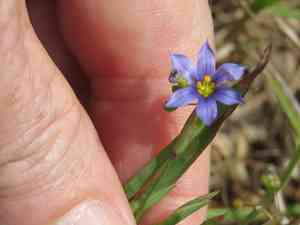
Wiry blue-eyed grass (Sisyrinchium biforme)
Also known as: Two-Formed Blue-Eyed Grass
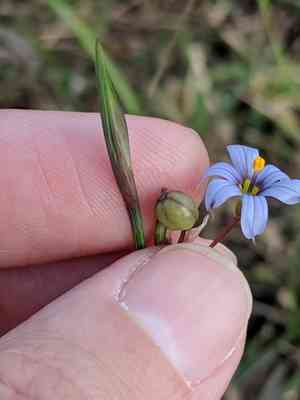
You might be referring to the Wiry Blue-eyed Grass (Sisyrinchium angustifolium). This hardy perennial herb features sword-shaped leaves that grow in dense clusters. Its eye-catching purple-blue flowers, typically with yellow centers, bloom on slender, upright stems. Preferring well-drained soils, Wiry Blue-eyed Grass is well-suited to meadows and open woodlands. It thrives in temperate climates, adding vibrant color to gardens and attracting pollinators during the spring and summer months.
In This Article
Attributes of Wiry blue-eyed grass
Lifespan
Perennial
Plant Type
Herb
Plant Height
Up to 30 cm
Spread
N/A
Leaf Color
Green
Flower Size
0.5-1 cm
Flower Color
Blue to violet with a yellow center
Images of Wiry blue-eyed grass
Quickly Identify Wiry blue-eyed grass
1
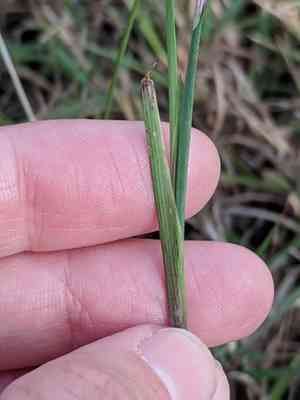
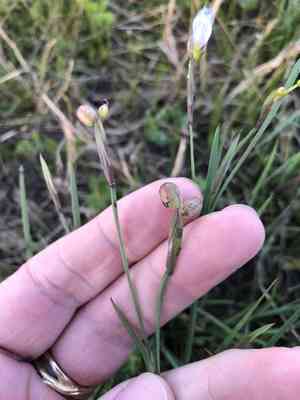
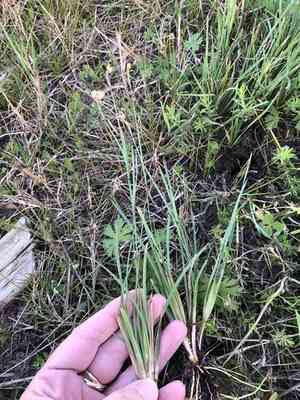
This plant can be identified by its grass-like leaves and small, star-shaped blue to violet flowers with a yellow center. The stem is typically winged.
Scientific Classification of Wiry blue-eyed grass
Phylum
Vascular plants
Class
Monocotyledons
Order
Asparagales
Family
Iris
Genus
Blue-eyed grasses
Species
Wiry blue-eyed grass
Planting and Growing of Wiry blue-eyed grass
Care Difficulty
Easy
Watering Schedule
Every 3 days
Sunlight Requirements
Full sun
Sunshine Duration
6-8 hours
Ideal Temperature
60-75℉
Soil Type
Potting Mix, Peat Mix
Soil pH
6.5-7.5
Fertilizer Type
Balanced
Pruning Season
Spring, Summer
Pruning Area
Branches, Leaves
Pruning Frequency
2 times a year
Repotting Season
Spring
Pot Type
Plastic, Ceramic
 How to Water Wiry blue-eyed grass?
When watering Sisyrinchium biforme, aim to thoroughly moisten the soil without saturating it. This typically equates to pouring approximately 500 ml of water until it lightly drains out from the bottom, ensuring the soil is uniformly damp, yet not waterlogged.
What are the symptoms of an underwatered Wiry blue-eyed grass?
›
What should I do if my Wiry blue-eyed grass is not getting enough water?
›
What are the symptoms of an overwatered Wiry blue-eyed grass?
›
How to save an overwatered Wiry blue-eyed grass?
›
 What Are the Sunlight Requirements for Wiry blue-eyed grass?
Sisyrinchium biforme thrives well in full to partial sunlight, receiving about 6 to 8 hours of light daily. Adequate sunlight ensures vigorous growth, abundant flowering, and enhances the plant's resilience against environmental stressors.
What type of light exposure is best for Sisyrinchium biforme?
›
How can I ensure optimal sunlight for Sisyrinchium biforme?
›
What benefits does Sisyrinchium biforme gain from receiving ideal sunlight?
›
 What Is the Ideal Temperature Range for Wiry blue-eyed grass?
For optimal growth, Sisyrinchium biforme thrives best within an environmental temperature range of 60°F to 75°F. This range supports not only the plant’s metabolic processes but also aids in ensuring vibrant blooming. Temperatures within this bracket mimic the plant's natural habitat conditions, promoting healthy development and resilience.
 What Soil is Best for Wiry blue-eyed grass?
Sisyrinchium biforme thrives in well-draining soil to prevent waterlogging, which can lead to root rot. Proper drainage ensures that the roots get enough oxygen, keeping the plant healthy and vibrant. The plant benefits from soil rich in organic matter. This nutrient-rich soil supports robust growth by providing essential nutrients that feed the plant and enhance its flowering potential. Sisyrinchium biforme prefers soil that retains moderate moisture. Sufficient water supply aids in maintaining turgor pressure within the plant cells, contributing to its overall vigor and resilience.
 How to Fertilize Wiry blue-eyed grass?
For Sisyrinchium biforme, the recommended fertilizer dosage should be modest, as this plant is not a heavy feeder. Use a diluted liquid fertilizer with a ratio of half the suggested amount on the package. This ensures the plant gets essential nutrients without the risk of chemical burns or nutrient overload. Always adjust based on the plant's response and growth cycle.
 How to Prune Wiry blue-eyed grass?
Begin by identifying any dead or diseased leaves. These should be the first to go. Cut them back to the base to prevent the spread of disease and encourage new growth. Next, thin out areas that are overly dense to improve air circulation. This helps reduce the risk of fungal diseases while allowing sunlight to reach lower leaves, promoting a healthier plant life. Prune the plant to maintain its naturally attractive shape. Trim back the tips of any excessively long stems to encourage a bushier growth. Ensure the overall symmetry of the plant is preserved.
More About Pruning Techniques→
 How to Propagate Wiry blue-eyed grass plant?
1
Harvest seeds once the seed heads turn brown and dry. Ensure you do this before they shatter and disperse. Collect the seeds into a paper bag to dry further before storage or sowing.
2
Fill trays with a well-draining potting mix, and press the seeds lightly into the surface. Seeds should be thinly covered with soil, as excessive depth can hinder germination.
3
Carefully lift the clump from the ground using a garden fork. Gently tease apart the root mass into smaller sections, ensuring each division has roots attached for successful re-establishment.
 How to Repot Wiry blue-eyed grass plant?
1
Recognizing the right time to repot your Sisyrinchium biforme involves assessing the plant for signs of overcrowding in its current pot or reduced growth. If the roots begin to circle the bottom or the soil dries out faster than usual, it's time to consider repotting. Ensuring that you repot during its dormant seasons, such as spring or autumn, allows it to adjust without disrupting its growth phase.
2
Selecting an appropriate pot for Sisyrinchium biforme involves choosing one that is only slightly larger than its current size. A pot with good drainage holes will prevent water accumulation, which can lead to root rot. The material of the pot, whether clay or plastic, depends on your watering habits; clay pots are breathable, thus good for moisture-loving plants, whereas plastic retains moisture longer.
3
For Sisyrinchium biforme, using well-draining sandy loam is crucial. This mix ensures roots get adequate aeration, preventing waterlogging while retaining necessary moisture. The texture supports healthy root expansion and nutrient uptake, vital for this perennial's growth and flowering.
Learn More About Wiry blue-eyed grass Diseases
Anthracnose
Bacterial Leaf Spot
Bacterial Soft Rot
Bacterial Wilt
Black Spot
Chemical Injury
Crown Gall
Cyst Nematode
Damping-off
Downy Mildew
Drought Stress
Fusarium Wilt
Gray Mold
Leaf Curl
Leaf Spot
Mosaic
Nutrient Deficiency
Nutrient Toxicity
Powdery Mildew
Root Rot
Root-knot Nematode
Rusts
Sooty Mold
Spider Mites
Temperature Stress
Thrips Damage
White Mold



