How to Prune Christmas bush?
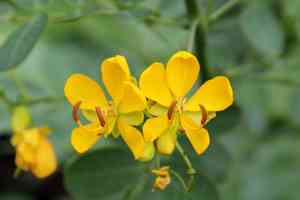
This perennial woody plant, recognized for its vibrant yellow blossoms and decorative seed capsules, thrives with consistent trimming to preserve its form and vitality. For christmas bush, conduct pruning in the initial part of spring or the latter part of winter to eliminate deceased or compromised limbs, stimulate denser development, and boost flowering. Reducing density in the core enhances air movement, discouraging fungal infections. Trimming subsequent to blooming permits the development of seed capsules, drawing in local fauna. Deliberate cuts also hinder its invasive tendencies, given its reputation for rapid expansion.
Advantages of Trimming Christmas Bush
Advantages of Trimming Christmas Bush
Trimming christmas bush promotes more vigorous development and helps maintain its desired form, ensuring a neat appearance. Strategic cuts foster a healthier structure and decrease the likelihood of illness.
Optimal Time for Trimming Christmas Bush
Optimal Time for Trimming Christmas Bush
Trimming christmas bush in late winter or early spring is ideal as it coincides with the period just before the plant's active growth phase begins. During this time, christmas bush remains dormant, which minimizes stress and the risk of disease transmission that can occur with pruning. Furthermore, removing branches before the spring growth spurt allows the plant to direct its energy towards producing new, robust growth. Trimming in late winter also ensures minimal impact on the flowering period of christmas bush, which typically happens later in the year. By selecting these seasons, gardeners can encourage strong growth and preserve the plant's health and look.
Necessary Tools for Trimming Christmas Bush
Hand Pruners
Perfect for its smaller branches and precise cuts when shaping christmas bush.
Lopping Shears
Suitable for cutting through thicker branches, up to approximately 2 inches in diameter, which christmas bush may develop as it matures.
Pruning Saw
Essential for removing any large branches exceeding 2 inches in diameter that may be too thick for lopping shears.
Gardening Gloves
Protect hands from thorns and ensure a better grip on the pruning tools while working on christmas bush.
Pruning Sealer
Apply to large cuts to protect christmas bush from diseases and pests after pruning.
How to Trim Christmas Bush
Clean Tools
Before beginning, ensure that the pruning tools are clean and sharp to avoid transmitting diseases and to make precise cuts.
Identify Parts
Carefully examine christmas bush to locate all dead and diseased branches. These will often appear different in color, texture, or may show visible signs of infection compared to healthy growth.
Cut Dead Branches
Using your pruning tools, remove dead branches by cutting at a 45-degree angle just above a leaf node or bud. Do not leave stubs as they can encourage disease.
Cut Diseased Branches
Prune diseased branches well below the affected area to ensure all parts of the infection are removed. Disinfect tools after each cut to prevent spreading the disease.
Shape Plant
After removing the unwanted parts, shape christmas bush by thinning out overgrown areas. This promotes better air circulation and light penetration which is beneficial for the plant's health.
Common Trimming Errors with Christmas Bush
Over-trimming
Removing too much growth can stress christmas bush, leading to less vigorous plants and fewer blooms.
Improper Cut
Incorrect cuts can damage the stems and create entry points for disease.
Crowded Growth
Neglecting to thin out dense areas can result in poor air circulation and increased susceptibility to pests and diseases.
Shearing
Shearing christmas bush into unnatural shapes can hinder its natural growth pattern and reduce flowering.
Disinfecting Tools
Failing to disinfect pruning tools between cuts can spread diseases from infected to healthy parts of christmas bush.
General Trimming Advice for Christmas Bush
Clean Cuts
Make clean cuts at a 45-degree angle just above leaf nodes or branching points to encourage healthy new growth.
Selective Pruning
Thin out crowded branches selectively to maintain the natural shape of christmas bush and to improve air circulation.
Maintenance Pruning
Regularly remove dead or diseased branches to keep christmas bush healthy and to prevent the spread of disease.
Rejuvenation
Conduct rejuvenation pruning on older or overgrown christmas bush by selectively cutting back to promote fresh growth.
Gradual Renewal
For a more extensive shape correction, spread out major cuts over several seasons to avoid shocking christmas bush.



