Enhancing Your Garden Design with the Christmas bush Plant: A Landscaping Guide
1
Christmas bush flourishes in soil that drains effectively and receives abundant sunshine.
2
Consistent trimming assists in preserving the form and vitality of Christmas bush.
3
Christmas bush is suitable as an impressive centerpiece or boundary plant in your outdoor space.
Understanding the Growth Pattern of Christmas bush
Identifying the growth rate and maximum size
When planning to incorporate Christmas bush into your landscaping design, it's crucial to understand its growth rate and maximum size. Christmas bush typically grows at a moderate rate, reaching an average height of 6 to 10 feet when mature. Knowing this, you can better plan where to place it, ensuring it has enough space to thrive without overshadowing other plants. Additionally, understanding its growth pattern allows for more effective maintenance and pruning schedules.
Seasonal changes in foliage and flowering
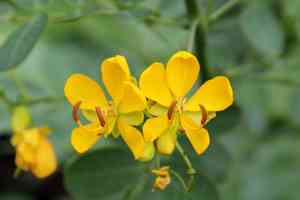
Another essential aspect of incorporating Christmas bush into your landscaping design is understanding its seasonal changes. Christmas bush offers a visual delight with its vibrant yellow flowers that bloom predominantly in the late fall and early winter months. This seasonal blooming can add a unique charm and color to your garden during these periods. Its foliage, too, remains an attractive green throughout the seasons, which makes it a great addition for year-round interest in your garden.
Choosing the Right Location for Christmas bush
Evaluating sunlight and shade requirements
Christmas bush flourishes best in areas with full sunlight. When selecting a site for planting, ensure it receives at least 6-8 hours of direct sunlight each day. Although Christmas bush can tolerate partial shade, its flowering might be less prolific. Evaluating the available sunlight in different spots of your garden will help you choose the ideal location, maximizing its blooming potential and overall growth.
Assessing soil type and drainage conditions
Proper soil conditions are fundamental for the health of Christmas bush. It prefers well-drained soils and can adapt to a variety of soil types, including sandy and loamy soils. Before planting, check the drainage of the selected area. Poor drainage can lead to root rot and other diseases. If needed, improve soil conditions by adding organic matter or creating raised beds to enhance drainage. Ensuring the soil is well-prepared sets a strong foundation for healthy growth.
Integrating Christmas bush with Other Plants
Companion plants that enhance Christmas bush's beauty
Integrating Christmas bush with complementary plants can significantly enhance the aesthetic appeal of your garden. Consider pairing it with plants that have contrasting colors and textures. For instance, the bright yellow flowers of Christmas bush can be beautifully offset by the deep green foliage of evergreens or the delicate blossoms of ornamental grasses. Such combinations create a visually appealing contrast and a dynamic garden design.
Avoiding potentially harmful plant interactions
It's essential to be cautious about the plants you place near Christmas bush to avoid harmful interactions. Some plants might compete for nutrients, water, or light, adversely affecting Christmas bush's growth. Avoid planting it too close to aggressive ground covers or invasive species that could encroach on its space. Ensuring a harmonious plant community will promote healthier growth for all the plants involved.
Maintenance Tips for Healthy Christmas bush
Pruning techniques for optimal growth
Pruning is crucial for maintaining the shape and health of Christmas bush. Regularly trims dead or diseased branches to promote better air circulation and reduce the risk of fungal infections. Pruning should ideally be done in late winter or early spring, just before the new growth begins. Shape the plant as desired, ensuring to remove any overcrowded branches to allow sunlight to reach all parts of the plant effectively.
Seasonal care adjustments
Adjusting care routines with the changing seasons is important for sustaining the health of Christmas bush. During the hotter summer months, ensure the plant receives adequate water, particularly if there are prolonged dry periods. In contrast, reduce watering during the cooler winter months to prevent waterlogging. Applying mulch during spring can help retain soil moisture and regulate soil temperature, providing a more stable environment for Christmas bush.
Landscaping Design Ideas Featuring Christmas bush
Creating focal points in the garden with Christmas bush
Christmas bush can act as a stunning focal point in your landscaping design. Plant it as a centerpiece in your garden, and its vibrant blooms will naturally draw attention. Surround it with lower-growing plants to highlight its height and shape, creating an eye-catching display. Whether in the middle of a flower bed or as a standalone specimen, Christmas bush can elevate the visual interest of any garden space.
Using Christmas bush for borders and privacy screens
Another practical use for Christmas bush in landscaping is as a natural border or privacy screen. Plant multiple Christmas bush shrubs along the perimeter of your property or garden to create a lush, green barrier. Its dense foliage can offer privacy while simultaneously adding beauty with its seasonal blooms. This use not only enhances the aesthetic appeal but also provides functional benefits by delineating garden spaces or providing a natural screen.



