How to Prune Cape-ivy?
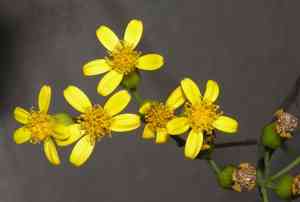
Recognized for its robust climbing nature, cape-ivy flourishes with consistent trimming to preserve its form and deter excessive expansion. The ideal period for pruning is in early spring or late winter, prior to the emergence of fresh shoots. Shorten any excessively long runners and eliminate deceased or injured stalks to encourage more robust, regulated growth. Trimming not only revitalizes cape-ivy but also lessens its potential for invasiveness. Employ sharp, sanitized implements for accurate cuts, which facilitates swift recuperation.
What Are the Benefits of Pruning Cape-ivy?
What Are the Benefits of Pruning Cape-ivy?
Trimming cape-ivy stimulates robust development and helps maintain its desired form. It eliminates overgrown and undesirable sections, allowing light and air to reach the plant more effectively, thereby fostering healthier growth.
What Is the Best Time for Pruning Cape-ivy?
What Is the Best Time for Pruning Cape-ivy?
Pruning cape-ivy in late winter or early spring coincides with its dormant phase, prior to the start of active growth. This timing enables gardeners to shape the plant and manage its dimensions without disrupting its natural growth cycle. The absence of leaves offers better visibility for precise cuts, which encourages healthy branching and revitalizes the plant. Additionally, pruning wounds heal more rapidly during this period, lowering the risk of disease entry. Furthermore, since cape-ivy typically lacks a primary flowering season to consider, these seasons are ideal for ensuring plant vitality without sacrificing blooms.
What Tools Do I Need to Prune Cape-ivy?
Hand Pruners
Perfect for making precise cuts on cape-ivy's thinner stems. Hand pruners give the gardener control to ensure healthy growth without unnecessary plant damage.
Gloves
Protective gloves are essential when handling cape-ivy, as its sap can be irritating. Gloves safeguard the skin and ensure safe pruning.
Loppers
For stems too thick for hand pruners, loppers provide the necessary leverage and cutting power for clean cuts without straining the gardener's hands.
Pruning Saw
When cape-ivy has developed particularly thick stems or is severely overgrown, a pruning saw can be used to cut through the woodier sections of the plant.
How to Prune Cape-ivy
Sanitize
Before pruning cape-ivy, clean and disinfect all cutting tools to prevent the spread of diseases.
Identify
Thoroughly inspect cape-ivy to pinpoint diseased and withered leaves that need removal.
Cut
Use sharp, sanitized shears to carefully trim off diseased and withered leaves at their base where they meet the stem, avoiding damage to nearby healthy foliage.
Dispose
Discard the removed diseased and withered leaves in a way that prevents them from contacting other parts of cape-ivy or other plants.
Clean up
After pruning cape-ivy, clean the work area and tools to prevent any potential disease transmission.
Common Pruning Mistakes with Cape-ivy
Over-pruning
Removing too much foliage at once can stress cape-ivy, leading to weak growth or making the plant more susceptible to pests and diseases.
Blunt tools
Using dull or unclean pruning tools can result in jagged cuts, which may harm cape-ivy by hindering proper healing and inviting infections.
Pruning healthy growth
Cutting away healthy parts of cape-ivy without reason can limit its potential for vigorous growth and fullness.
Neglecting to remove dead material
Failing to regularly remove dead or diseased foliage may impede cape-ivy's growth and overall health.
Ignoring plant shape
Random or thoughtless cuts can disrupt the natural form of cape-ivy, affecting its aesthetic appeal and potentially its health.
Common Pruning Tips for Cape-ivy
Sharp tools
Ensure that pruning tools are sharp and clean before working on cape-ivy to make clean cuts that heal quickly and reduce disease risk.
Selective thinning
Thin out cape-ivy selectively to improve airflow and light penetration, which promotes healthy growth without compromising the plant's natural shape.
Cautious trimming
Trim the vines of cape-ivy carefully to shape the plant and control its size, remembering that aggressive removal may lead to sparse foliage.
Rejuvenation
If cape-ivy has become overgrown, perform rejuvenation pruning by selectively removing older stems to encourage fresh, vigorous growth.
Disease management
Cut away any dead or diseased parts of cape-ivy to prevent the spread of disease and promote a healthy, flourishing plant.



