How to Prune Grayleaf skullcap?
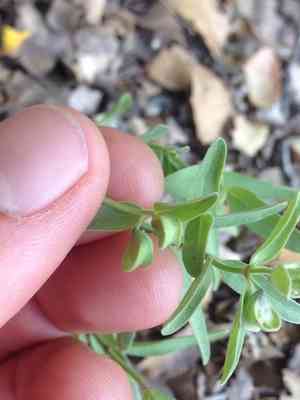
Scutellaria incana features grayish-green leaves and azure blossoms, establishing it as a beloved garden specimen. Trim Scutellaria incana during the latter part of winter or early spring to eliminate deceased or compromised stalks and stimulate robust development. Sculpt the plant by trimming back excessively grown sections, ensuring the primary framework remains undisturbed. Consistent trimming improves air circulation and light penetration, diminishing the likelihood of ailments and fostering more abundant flowering. Always employ sanitized, keen implements to prevent harm to the plant.
What Are the Benefits of Pruning Grayleaf Skullcap?
What Are the Benefits of Pruning Grayleaf Skullcap?
Trimming grayleaf skullcap encourages robust development and helps maintain its form. It fosters dense foliage, ensuring a more vigorous plant. Regular trimming also eliminates dead or diseased branches, improving overall plant vitality and look.
What Is the Best Time for Pruning Grayleaf Skullcap?
What Is the Best Time for Pruning Grayleaf Skullcap?
Trimming grayleaf skullcap during early spring and late winter is advisable as it coincides with the plant's dormant phase, minimizing stress and promoting healthy new growth. These periods precede active growth and flowering, allowing the plant to recover and reallocate energy towards budding and development. Pruning in these cooler months also helps prevent potential damage from pests and diseases, which are less active in lower temperatures.
What Tools Do I Need to Prune Grayleaf Skullcap?
Hand Pruners
Hand pruners are perfect for making accurate cuts on small stems and branches, which is crucial for preserving the shape and health of grayleaf skullcap. Seek out a quality pair with bypass blades.
Pruning Shears
For larger stems that might be found on mature grayleaf skullcap plants, pruning shears offer the necessary leverage and cutting power. Select shears that are comfortable for prolonged use.
Pruning Saw
A small pruning saw can be useful for cutting through thicker branches that hand pruners or shears cannot manage. This is particularly helpful if the plant becomes woody over time.
Lopping Shears
Lopping shears are effective for reaching deeper into the plant to trim larger branches without causing much disturbance. Their long handles and sharp blades are suitable for managing the occasional dense growth of grayleaf skullcap.
How to Prune Grayleaf Skullcap
Inspection
Start by thoroughly examining grayleaf skullcap to identify any diseased or withered leaves. Focus on both outer and inner parts of the plant.
Prepare tools
Ensure you have clean, sharp pruning scissors or shears. Sanitize the tools with rubbing alcohol to prevent the spread of disease.
Remove diseased leaves
Carefully trim any diseased leaves at their base, making sure to cut at a slight angle. Dispose of the removed leaves immediately to prevent contamination.
Remove withered leaves
Trim withered leaves by cutting them off where they meet healthy tissue. Again, use an angled cut to promote healthy regrowth.
Dispose properly
Collect all trimmed leaves and dispose of them away from the plant area to reduce the risk of pest infestation or fungal spread.
Common Pruning Mistakes with Grayleaf Skullcap
Improper technique
Using dull or dirty tools can harm the plant and increase the likelihood of disease.
Inappropriate timing
Pruning at the wrong time can disrupt the plant's growth and flowering cycles.
Over-pruning
Removing too much of the plant at once can shock it and hinder healthy growth.
Ignoring plant's natural shape
Shaping the plant in a way that disregards its natural growth pattern can lead to a less appealing appearance and potentially weakened structure.
Common Pruning Tips for Grayleaf Skullcap
Use clean, sharp tools
Always use clean, sharp tools to make clean cuts and reduce the risk of disease.
Make precise cuts
Aim for clean, precise cuts just above a node or bud to encourage healthy new growth.
Prune regularly but moderately
Regular, moderate pruning helps maintain the plant's shape and encourages robust growth without stressing the plant.
Follow the plant's natural shape
Respect the plant's natural growth pattern when shaping, ensuring healthier and more aesthetically pleasing results.
Remove dead or damaged wood first
Always start by removing any dead, damaged, or diseased wood to prevent the spread of disease and pests.



