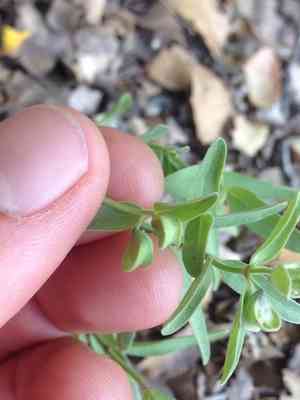
Grayleaf skullcap (Scutellaria siphocampyloides)
Also known as: None
Grayleaf skullcap is a hardy perennial known for its upright growth and charming blue or violet bell-shaped flowers. These blooms, which appear at the ends of branches, add a touch of elegance to any garden. The plant features distinct scalloped leaves and is well-suited for spots with partial shade. Thriving in well-drained soil and dappled sunlight, grayleaf skullcap is particularly resilient in cooler climates, making it a versatile addition to woodland gardens.
In This Article
Attributes of Grayleaf skullcap
Lifespan
Perennial
Plant Type
Herb
Plant Height
0.3 to 0.6 meters
Spread
Approximately 0.3 meters
Leaf Color
Green
Flower Size
1 to 2 cm
Flower Color
Blue to purple
Images of Grayleaf skullcap
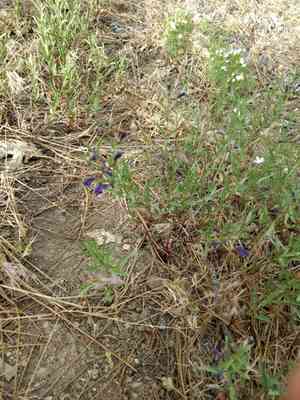
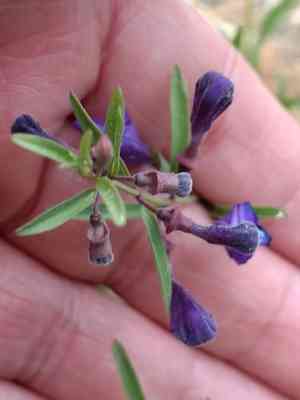
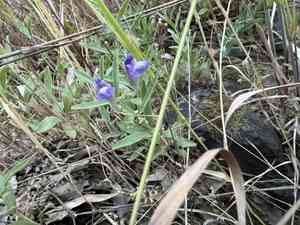
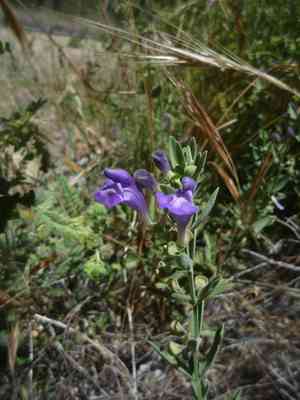
Quickly Identify Grayleaf skullcap
1
This plant can be recognized by its small blue to purple flowers, square stems, and opposite leaves that are serrated and have a slightly fuzzy texture.
Scientific Classification of Grayleaf skullcap
Phylum
Vascular plants
Class
Dicotyledons
Order
Lamiales
Family
Mint
Genus
Skullcap
Species
Grayleaf skullcap
Planting and Growing of Grayleaf skullcap
Care Difficulty
Moderate
Watering Schedule
Every 2 days
Sunlight Requirements
Partial sun
Sunshine Duration
4-6 hours
Ideal Temperature
59-77℉
Soil Type
Potting Mix, Peat Mix
Soil pH
6.5-7.5
Fertilizer Type
Balanced
Pruning Season
Spring, Summer
Pruning Area
Branches, Leaves
Pruning Frequency
2 times a year
Repotting Season
Spring
Pot Type
Plastic, Terracotta
 How to Water Grayleaf skullcap?
The recommended watering amount for Scutellaria siphocampyloides is about 250 ml per session. Ensure that the water evenly saturates the soil, allowing excess to drain away to prevent waterlogging. Follow the principle of providing sufficient moisture without creating overly soggy conditions.
What are the symptoms of an underwatered Grayleaf skullcap?
›
What should I do if my Grayleaf skullcap is not getting enough water?
›
What are the symptoms of an overwatered Grayleaf skullcap?
›
How to save an overwatered Grayleaf skullcap?
›
 What Are the Sunlight Requirements for Grayleaf skullcap?
Partial sunlight conditions, meaning 4 to 6 hours of filtered sunlight, are ideal for Scutellaria siphocampyloides. This exposure supports optimal photosynthesis, leading to vigorous growth and vibrant foliage, enhancing both health and aesthetic appeal.
Optimal Sunlight Needs
›
Placement for Best Results
›
Aligning Light with Growth Cycles
›
 What Is the Ideal Temperature Range for Grayleaf skullcap?
The ideal temperature range for Scutellaria siphocampyloides is between 59°F to 77°F. This range provides the best conditions for the plant's metabolic processes, ensuring optimal growth and photosynthesis rates. Within this temperature range, the plant will be less stressed and more capable of developing vibrant foliage and strong structural growth.
 What Soil is Best for Grayleaf skullcap?
Scutellaria siphocampyloides benefits from well-drained soil to prevent waterlogging, which can lead to root rot. Ensuring good drainage keeps the plant healthy by allowing excess water to escape, thus promoting optimal root growth and nutrient uptake. This plant thrives in nutrient-rich soils which supply essential minerals and organic matter. Incorporating compost or well-rotted manure can improve soil fertility, leading to robust plant growth and vibrant foliage. Soil with moderate fertility is ideal, as overly rich soil can lead to excessive foliage at the expense of flowering. Balancing nutrient availability supports balanced growth and prevents nutrient deficiencies.
 How to Fertilize Grayleaf skullcap?
For Scutellaria siphocampyloides, the recommended fertilizer amount should be moderate. Use a diluted liquid fertilizer solution (half the recommended strength) to prevent root burn. Apply approximately 1/4 cup (60 ml) per plant per application to promote healthy growth.
 How to Prune Grayleaf skullcap?
Begin by inspecting the plant for any branches that appear dead, diseased, or damaged. These should be removed first to prevent potential disease spread and stimulate new, healthy growth. After removing the unhealthy parts, focus on shaping the plant. Trim back any long, leggy stems to ensure a fuller appearance. Work gradually, stepping back occasionally to assess the overall shape and ensure symmetry.
More About Pruning Techniques→
 How to Propagate Grayleaf skullcap plant?
1
Prepare a seedling tray with well-draining soil. Sow the seeds evenly across the surface, then lightly cover them with a thin layer of soil. Keep the soil moist and place the tray in a warm, sunny location until germination occurs.
2
In early spring, use sterilized pruners to cut 4-6 inch long stems from a healthy plant. Remove the lower leaves and dip the cut end in rooting hormone. Plant the cutting in moist soil and keep it under indirect light until roots develop.
3
During late spring or early summer, dig up mature clumps and gently separate them into smaller sections. Ensure each section has roots attached. Replant the divisions immediately in a well-drained soil, watering thoroughly after planting.
 How to Repot Grayleaf skullcap plant?
1
Scutellaria siphocampyloides needs repotting when the roots start circling the pot or peeping through the drainage holes. Typically, it's best to repot during active growth phases in spring or early summer for minimal stress.
2
Select a pot that is 1-2 inches larger than the current one. Ensure it has adequate drainage holes to prevent waterlogging, which promotes root rot. A slightly larger pot encourages root growth and balances plant stress.
3
Opt for a well-draining potting mix. A mixture rich in organic matter with added perlite or sand will ensure adequate drainage while providing the necessary nutrients for growth. This soil setup prevents root diseases by maintaining optimal moisture levels.
Learn More About Grayleaf skullcap Diseases
Anthracnose
Bacterial Leaf Spot
Bacterial Soft Rot
Bacterial Wilt
Crown Gall
Cyst Nematode
Damping-off
Downy Mildew
Drought Stress
Fusarium Wilt
Gray Mold
Leaf Curl
Leaf Spot
Mosaic
Nutrient Deficiency
Nutrient Toxicity
Powdery Mildew
Root Rot
Root-knot Nematode
Rusts
Sooty Mold
Spider Mites
Temperature Stress
Thrips Damage
White Mold



