How to Prune Small skullcap?
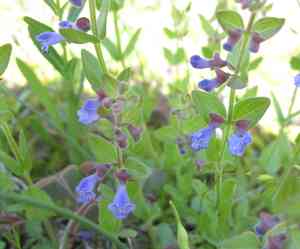
Perfect for alpine gardens, Scutellaria minor is a perennial plant that thrives with light trimming to preserve its form and stimulate denser development. Perform a gentle trim in early spring to eliminate spent leaves and revitalize new shoots. In the summer, snipping off flower stalks after they've bloomed can encourage a subsequent wave of blossoms. Refrain from extensive cutting, as Scutellaria minor inherently maintains a compact structure. Strategic pruning enhances the plant's health and visual charm, boosting its flowering capacity for the subsequent year.
What Are the Benefits of Pruning Small Skullcap?
What Are the Benefits of Pruning Small Skullcap?
Trimming small skullcap promotes vigorous development and maintains its form, ensuring a strong structure that supports overall plant vitality and visual appeal.
What Is the Best Time for Pruning Small Skullcap?
What Is the Best Time for Pruning Small Skullcap?
Pruning from late Spring to early Summer coincides with small skullcap's post-flowering period, allowing gardeners to remove spent blooms and encourage a second flush, if annual flowering occurs. This timing facilitates the removal of old or dead growth before the active growing season, ensuring the plant's energy is directed towards healthy new shoots. Pruning during this window also minimizes the risk of frost damage to new growth and avoids cutting back the plant during the critical bud development phase in early spring. Trim small skullcap after flowering has concluded, which typically aids in maintaining plant shape, vigor, and health without sacrificing the current year's blossoms.
What Tools Do I Need to Prune Small Skullcap?
Hand Pruners
Small skullcap is a compact herbaceous plant, so hand pruners are suitable for its delicate stems. They provide precise cuts without harming the plant's structure.
Pruning Shears
For a cleaner cut on small skullcap's soft stems, pruning shears are ideal. They can help prevent tearing, which might invite disease.
Garden Scissors
Garden scissors are excellent for snipping off faded flowers or dead leaves on small skullcap, as they allow for targeting small areas without disturbing the rest of the plant.
How to Prune Small Skullcap
Sterilize
Sanitize your pruning shears or scissors with rubbing alcohol or a household disinfectant before starting to prevent the spread of disease.
Identify
Examine small skullcap closely and identify any diseased or withered leaves and any diseased stems that need to be removed.
Cut Leaves
Using your sterilized shears, carefully trim off the diseased and withered leaves where they join the stem or the healthy part of the leaf, aiming to make clean cuts that minimize damage to small skullcap.
Cut Stems
If you find any diseased stems, prune them back to a healthy section, making the cut just above a leaf node or bud to encourage new growth in small skullcap.
Dispose
Dispose of the pruned material carefully, ideally by sealing it in a bag to prevent spreading any disease, and clean your tools after the procedure is complete.
Common Pruning Mistakes with Small Skullcap
Over-pruning
Removing too much foliage at once can stress small skullcap, leading to weak growth and a reduced capacity to photosynthesize.
Improper cuts
Incorrectly made cuts can harm small skullcap's delicate stems, increasing the risk of disease and pest infestation.
Pruning without sterilizing tools
Using unsterilized tools can introduce pathogens to small skullcap, potentially causing infections and diseases.
Random pruning
Randomly pruning without understanding small skullcap's growth pattern can lead to an unsightly plant and impede flowering.
Ignoring dead or diseased material
Failing to regularly remove dead or diseased plant material can stifle small skullcap's growth and spread disease to healthy parts.
Common Pruning Tips for Small Skullcap
Sharp, clean cuts
Make sharp, clean cuts at an angle just above a bud or branching point to promote healthy regrowth in small skullcap.
Tool sterilization
Sterilize pruning tools before use to prevent the spread of disease to and from small skullcap.
Moderation in pruning
Prune sparingly to maintain the natural shape of small skullcap and avoid stressing the plant, which can lead to poor growth.
Targeted pruning
Focus on removing only dead, diseased, or overgrown stems to improve air circulation and light penetration, which will benefit the overall health and flowering of small skullcap.
Follow natural shape
Recognize small skullcap's natural growth habit and prune to enhance this form, which allows for a more aesthetically pleasing and healthier plant.



