The Small skullcap Plant Advantage: Maximizing Home and Office Appeal and Wellness
1
Scutellaria lateriflora is recognized for its inflammation-reducing qualities.
2
This botanical specimen flourishes in bright environments and soil that drains efficiently.
3
Scutellaria lateriflora contributes to a robust ecosystem by drawing in beneficial insects.
What are the Health Benefits of Small skullcap?
Anti-Inflammatory Properties
A key characteristic of Small skullcap is its capacity to reduce inflammation. This plant contains natural compounds that aid in lessening swelling and discomfort, making it a practical option for those seeking natural remedies to support their overall well-being.
Rich in Antioxidants
Small skullcap is also abundant in antioxidants, which play a vital role in neutralizing harmful free radicals within the body. These antioxidants help safeguard cells from damage, promoting overall cellular health and lowering the risk of chronic illnesses.
How Does Small skullcap Benefit the Environment?
Pollinator Attraction
Small skullcap is particularly effective at drawing in various pollinators, including bees and butterflies. This not only boosts local biodiversity but also supports the crucial pollination process, ensuring the sustainability of diverse plant species in the ecosystem.
Soil Health Enhancement
The roots of Small skullcap contribute to soil stability and vitality. They help prevent erosion by binding the soil, and their presence can improve soil structure, making it more fertile and favorable for other plants.
Is Small skullcap Easy to Grow?
Ideal Growth Conditions
Small skullcap thrives in well-drained soil and sunny environments. Its adaptability makes it a good choice for both new and experienced gardeners looking to add a resilient plant to their garden.
Low Maintenance Requirements
Once established, Small skullcap needs minimal upkeep. It is relatively drought-tolerant and pest-resistant, making it a trouble-free addition to any garden that offers beauty and advantages without demanding excessive time or effort.
Can Small skullcap Be Used in Landscaping?
Aesthetic Appeal
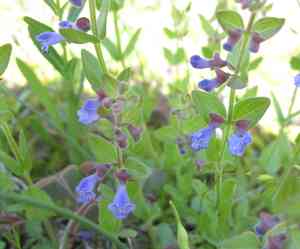
Small skullcap is known for its vibrant blooms and attractive foliage, which can add a burst of color and texture to any landscape design. Its compact size makes it suitable for various garden settings, from borders to rock gardens.
Versatility in Design
This plant is adaptable and can be incorporated into various landscaping themes, whether you aim for a wildflower meadow feel or a more structured garden layout. Its ability to blend well with other plants makes it a flexible choice for enhancing garden aesthetics.
How to Get Started with Growing Small skullcap?
Planting Tips
To begin cultivating Small skullcap, select a location that receives ample sunlight and has well-drained soil. Planting during the cooler months of spring or fall can help the plant establish itself before facing the extreme temperatures of summer or winter.
Care Instructions
Consistent watering during the initial growth phase is crucial, but once established, Small skullcap can endure dry conditions. Occasional trimming can help maintain its shape and encourage more abundant flowering. Mulching around the base can also help retain soil moisture and regulate temperature.



