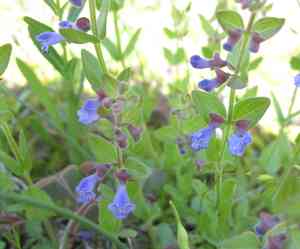
Small skullcap (Scutellaria parvula)
Also known as: Shale barren skullcap
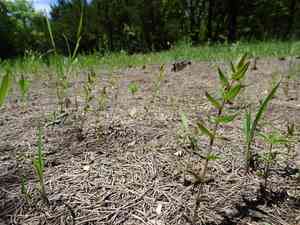
Small skullcap (Scutellaria parvula), a wild mint native to the central and eastern United States, thrives in sunlit environments. It is commonly found in prairies, glades, and savannas. In areas dominated by tall grasses, it often gathers around ledges and ridges, where sunlight is more abundant and competition is less intense.
In This Article
Attributes of Small skullcap
Lifespan
Perennial
Plant Type
Herb
Plant Height
15 cm to 25 cm
Spread
8 cm to 15 cm
Leaf Color
Green
Flower Size
2.5 cm
Flower Color
Purple
Images of Small skullcap
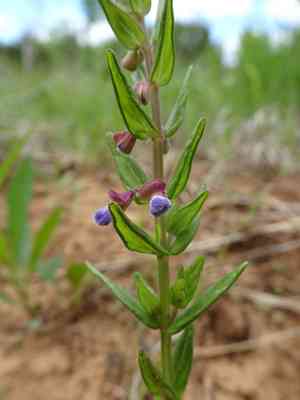
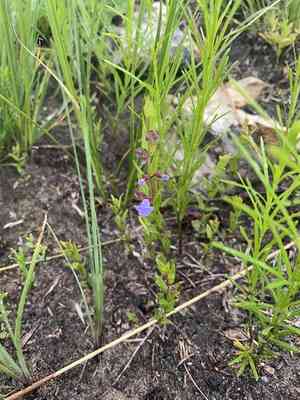
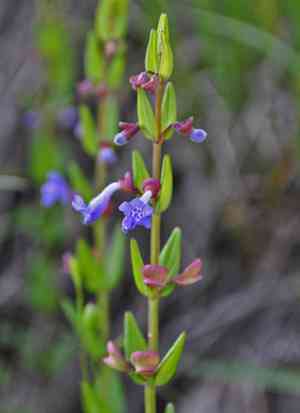
Quickly Identify Small skullcap
1
Look for a low-growing herb with square stems and opposite, lance-shaped, toothed leaves. The flowers are small, tubular, and usually blue to violet, forming clusters on the upper parts of the stem.
Scientific Classification of Small skullcap
Phylum
Vascular plants
Class
Dicotyledons
Order
Lamiales
Family
Mint
Genus
Skullcap
Species
Small skullcap
Planting and Growing of Small skullcap
Care Difficulty
Easy
Watering Schedule
Every 3 days
Sunlight Requirements
Full sun
Sunshine Duration
4-6 hours
Ideal Temperature
65-75℉
Soil Type
Potting Mix, Peat Mix
Soil pH
6.5-7.5
Fertilizer Type
Balanced
Pruning Season
Spring, Summer
Pruning Area
Branches, Leaves
Pruning Frequency
2 times a year
Repotting Season
Spring
Pot Type
Terracotta, Plastic
 How to Water Small skullcap?
Scutellaria parvula, commonly known as the small skullcap, prefers moderate watering. It's critical to ensure that the soil is kept consistently moist but not waterlogged. You should aim for about 200 ml per watering session, ensuring the water penetrates the soil to the root level without excess runoff. This balance promotes healthy growth, while preventing root rot.
What are the symptoms of an underwatered Small skullcap?
›
What should I do if my Small skullcap is not getting enough water?
›
What are the symptoms of an overwatered Small skullcap?
›
How to save an overwatered Small skullcap?
›
 What Are the Sunlight Requirements for Small skullcap?
Partial sun or full sun is recommended. Ideal light exposure contributes to effective photosynthesis, strong growth, and optimal flowering, enhancing the plant's vitality and aesthetic appeal.
More About Sunlight Requirements Techniques→
What is the ideal amount of light for Scutellaria parvula?
›
How can you achieve the ideal lighting for Scutellaria parvula?
›
What are the benefits of providing ideal lighting conditions for Scutellaria parvula?
›
 What Is the Ideal Temperature Range for Small skullcap?
The ideal temperature range for growing Scutellaria parvula is between 65°F to 75°F. This range ensures optimal growth and helps the plant thrive by supporting its physiological processes and allowing efficient nutrient uptake.
 What Soil is Best for Small skullcap?
Scutellaria parvula thrives in well-drained soil, which allows excess water to move away swiftly, preventing root rot and ensuring healthy root growth. This reduces the chances of fungal diseases and supports robust plant health. This plant prefers soil that is moderately fertile, supplying essential nutrients without overloading the plant. Balanced fertility promotes steady growth and vibrant foliage, ensuring a flourishing plant. Scutellaria parvula flourishes in soil with a neutral to slightly alkaline pH, between 6.5 and 7.5. This pH range optimizes nutrient absorption and helps maintain the overall health of the plant.
 How to Fertilize Small skullcap?
For Scutellaria parvula, known commonly as the small skullcap, the recommended amount of fertilizer is quite moderate. Avoid over-fertilization; instead, opt for a balanced approach using a diluted, all-purpose liquid fertilizer. Use approximately half the suggested strength of the fertilizer label tailored for general plant use. Keep in mind that less is often more, as excessive nutrients can harm the delicate roots and stifle growth.
 How to Prune Small skullcap?
Scutellaria parvula often blooms in cycles across the growing seasons. It's crucial to time your pruning to avoid cutting off too many blooms. A good practice is to prune immediately after a flowering cycle has ended. This helps ensure you are not removing buds that are about to bloom and allows the plant sufficient time to recover before the next flowering period. Over-pruning can lead to stresses that weaken the plant and make it susceptible to pests and disease. Ensure that you are only removing necessary growth. Keeping pruning sessions light will help the plant retain its vigor and make it more resilient to environmental stresses. Always observe the plant's response to previous pruning efforts and adjust accordingly.
More About Pruning Techniques→
 How to Propagate Small skullcap plant?
1
Use well-draining soil mixed with sand to ensure optimal drainage for Scutellaria parvula. Moisten the soil slightly before planting seeds or inserting cuttings to prevent root rot.
2
Scatter the seeds lightly on the surface of the prepared soil in a seed tray, and cover them with a faint layer of sand. This aids in proper germination and provides some protection from pests.
3
Choose a healthy stem from the parent plant. Cut a 3-4 inch piece just below a node. Remove the lower leaves, and dip the cut end in rooting hormone to encourage root development.
 How to Repot Small skullcap plant?
1
Repot Scutellaria parvula when you notice that its roots are poking through the drainage holes or if the plant seems to be overly root-bound. Another sign is a slowed growth rate despite optimal care. Spring and summer are the best seasons as the plant is in an active growth phase and can recover more quickly.
2
Select a pot that has good drainage and is slightly larger than the current one, around 1-2 inches more in diameter. This ensures that roots have enough space to grow without being too cramped. A pot that breathes, like one made from clay, can also help maintain the right moisture balance.
3
Opt for a sandy, well-draining soil mix to prevent waterlogging, which Scutellaria parvula is prone to. Incorporating perlite or coarse sand can help improve drainage. Such a soil mix will simulate the plant's natural habitat, aiding in healthy growth and minimizing root rot risks.
Learn More About Small skullcap Diseases
Anthracnose
Bacterial Leaf Spot
Bacterial Wilt
Chemical Injury
Crown Gall
Cyst Nematode
Damping-off
Downy Mildew
Drought Stress
Fusarium Wilt
Gray Mold
Leaf Curl
Leaf Spot
Mosaic
Nutrient Deficiency
Nutrient Toxicity
Powdery Mildew
Root Rot
Root-knot Nematode
Rusts
Sooty Mold
Spider Mites
Temperature Stress
Thrips Damage
White Mold



