How to Prune Gulf skullcap?
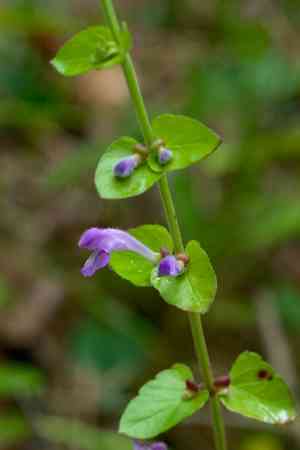
This perennial herb is recognized for its fragile blue blossoms and cordate foliage. Trim gulf skullcap during early spring to eliminate deceased or injured stalks, fostering robust development. Minor summer trimming can sculpt the plant and enhance air movement. Autumnal pruning aids in readying gulf skullcap for its winter resting phase. Consistent trimming deters etiolation and revitalizes the specimen. Always employ sanitized, keen implements to lessen strain and the potential for illness.
What Are the Benefits of Pruning Gulf Skullcap?
What Are the Benefits of Pruning Gulf Skullcap?
Trimming gulf skullcap encourages robust development and preserves its form, ensuring vigorous growth. It aids in managing size, enhancing aesthetics, and lowering the chance of pests and illnesses.
What Is the Best Time for Pruning Gulf Skullcap?
What Is the Best Time for Pruning Gulf Skullcap?
Trimming or cutting gulf skullcap during these periods aligns with its active growth phase, fostering improved health and more abundant blooms. Spring trimming helps shape the plant before its main growth, summer trimming can manage excessive growth, and fall trimming prepares gulf skullcap for dormancy by removing dead or damaged stems. This seasonal approach ensures the plant stays healthy and visually appealing year-round.
What Tools Do I Need to Prune Gulf Skullcap?
Bypass Pruners
Perfect for accurate cuts and minimizing harm to plant tissue. Effective for snipping off dead or excess growth without damaging gulf skullcap.
Pruning Shears
Useful for general shaping and removing larger stems. These shears provide clean cuts, which help prevent infection.
Handheld Pruning Saw
Required for cutting thicker, woody stems as gulf skullcap matures. Ensures a clean cut on more substantial branches without crushing.
Sterilizing Solution
Crucial for cleaning tools between cuts to stop disease spread. This is vital for maintaining gulf skullcap's health.
Gloves
Shield your hands from thorns, insects, and potential allergens while trimming gulf skullcap.
How to Prune Gulf Skullcap
Action Planning
Start by preparing your trimming tools, making sure they are clean and sharp for precise cuts.
Inspecting
Carefully check gulf skullcap for any wilted leaves that need removal, noting areas requiring trimming.
Cutting
Using disinfected trimming shears, cut the wilted leaves at their base where they meet the stem, ensuring a clean cut to prevent damage.
Cleaning
Remove the trimmed wilted leaves from gulf skullcap's base to prevent potential pests or diseases from settling.
Maintaining
Regularly check gulf skullcap for new signs of wilting and promptly repeat the trimming process to keep the plant healthy.
Common Pruning Mistakes with Gulf Skullcap
Over-pruning
Gardeners often remove too much foliage, which can stress gulf skullcap. This may lead to fewer flowers and hinder the plant's natural growth pattern.
Incorrect cuts
Using dull or unsuitable tools can result in jagged cuts, which heal poorly and might attract disease or pests.
Poor timing
A common error is not understanding the plant's growth cycle, leading to trimming at the wrong time, which can affect blooming and overall health.
Ignoring deadwood
Failing to remove dead or diseased branches can negatively impact the plant's health and appearance by allowing diseases to spread.
Common Pruning Tips for Gulf Skullcap
Use sharp tools
Always use sharp, clean trimming shears for precise cuts. This ensures quicker healing and reduces disease risk.
Make clean cuts
Cut just above a leaf node or bud to encourage healthy new growth. Ensure cuts are smooth to avoid damaging plant tissue.
Remove deadwood
Regularly inspect gulf skullcap and remove any dead or diseased stems to maintain plant health and prevent pathogen spread.
Promote air circulation
Thin out areas with overcrowded stems to improve air circulation. This helps reduce fungal infection risk and supports better growth.
Shape correctly
To maintain gulf skullcap's natural form, trim lightly and regularly instead of making drastic cuts. This will encourage a compact, well-shaped plant with more blooms.



