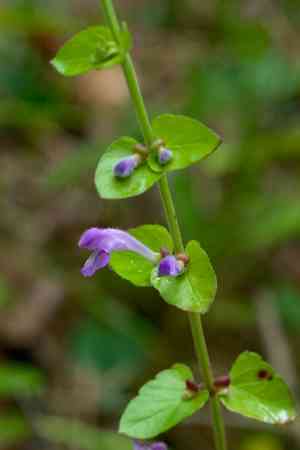
Gulf skullcap (Scutellaria cardiophylla)
Also known as: N/A
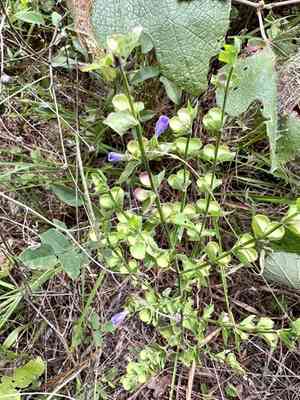
Scutellaria cardiophylla, commonly called Gulf skullcap or heartleaf skullcap, is a flowering plant in the mint family. It is indigenous to Texas, Louisiana, Arkansas, and Oklahoma and is regarded as a rare and imperiled species throughout much of its habitat.
In This Article
Attributes of Gulf skullcap
Lifespan
Annual, Perennial
Plant Type
Herb
Plant Height
30 cm to 91 cm
Spread
N/A
Leaf Color
Green Blue
Flower Size
1-2 cm
Flower Color
Blue
Images of Gulf skullcap
Quickly Identify Gulf skullcap
1
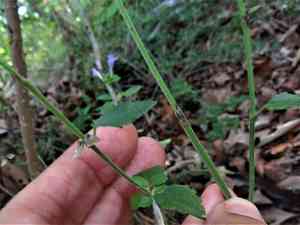
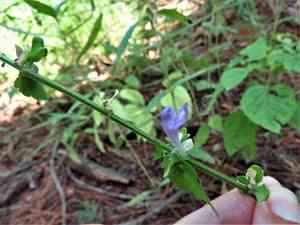
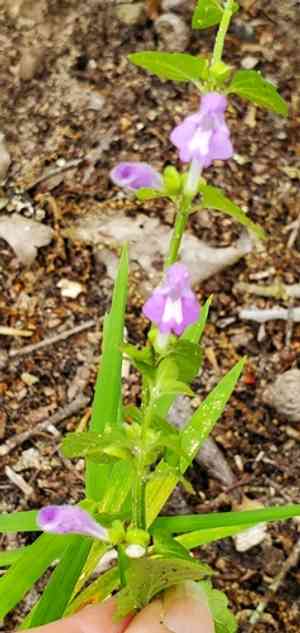
You can identify Scutellaria cardiophylla by its distinctive heart-shaped leaves, square stems typical of the mint family, and small, two-lipped blue flowers.
Scientific Classification of Gulf skullcap
Phylum
Vascular plants
Class
Dicotyledons
Order
Lamiales
Family
Mint
Genus
Skullcap
Species
Gulf skullcap
Planting and Growing of Gulf skullcap
Care Difficulty
Moderate
Watering Schedule
Every 3 days
Sunlight Requirements
Partial sun
Sunshine Duration
6-10 hours
Ideal Temperature
60-75℉
Soil Type
Potting Mix, Peat Mix
Soil pH
6.5-7.5
Fertilizer Type
Balanced
Pruning Season
Spring, Summer
Pruning Area
Branches, Leaves
Pruning Frequency
2 times a year
Repotting Season
Spring
Pot Type
Plastic, Ceramic
 How to Water Gulf skullcap?
For Scutellaria cardiophylla, a consistent watering regimen ensures optimal growth. Watering should be thorough but not excessive, allowing the top 2-3 inches of soil to dry between sessions. This keeps the roots hydrated while preventing root rot and fungal issues. Adjust the amount based on seasonal temperature and humidity changes.
What are the symptoms of an underwatered Gulf skullcap?
›
What should I do if my Gulf skullcap is not getting enough water?
›
What are the symptoms of an overwatered Gulf skullcap?
›
How to save an overwatered Gulf skullcap?
›
 What Are the Sunlight Requirements for Gulf skullcap?
Scutellaria cardiophylla thrives in partial sun to full sun with 4-6 hours of sunlight daily, which promotes vibrant blooms and robust foliage. This range ensures that the plant can undergo efficient photosynthesis and maintain healthy growth rates.
How much sunlight does Scutellaria cardiophylla need?
›
What solutions exist to achieve ideal lighting for Scutellaria cardiophylla?
›
What are the benefits of ensuring ideal light conditions for Scutellaria cardiophylla?
›
 What Is the Ideal Temperature Range for Gulf skullcap?
The ideal temperature range for Scutellaria cardiophylla cultivation lies between 60°F and 75°F. This temperature range supports the plant's metabolic processes, ensuring optimal growth and health. Such conditions mimic the plant's native habitats, offering a balance of warmth and coolness throughout the day. Maintaining these temperatures can help promote lush foliage and vibrant blooms.
 What Soil is Best for Gulf skullcap?
Scutellaria cardiophylla thrives in nutrient-rich soil, which provides essential minerals and nutrients that promote healthy growth and vibrant flowering. The presence of organic matter enhances microbial activity, helping to break down nutrients to a form that the plant can absorb efficiently. This plant requires well-draining soil to prevent root rot, a common issue caused by waterlogged conditions. Proper drainage ensures that excess water rapidly leaves the root zone, preventing harmful pathogens and promoting root aeration for optimal growth. While drainage is crucial, Scutellaria cardiophylla also benefits from soil that can retain some moisture. This ensures that the plant's roots have continuous access to water during dry spells, supporting sustained growth and vitality.
 How to Fertilize Gulf skullcap?
Scutellaria cardiophylla, commonly known as heartleaf skullcap, requires moderate fertilization. Use a balanced, all-purpose fertilizer mixed at half the label's recommended strength to avoid over-fertilization. Apply liquid fertilizer monthly during the active growing season to ensure the plant gets consistent nutrients.
 How to Prune Gulf skullcap?
Begin by identifying any dead or diseased stems. Remove these completely by cutting back to healthy tissue. This step helps prevent the spread of any potential disease and allows the plant to focus energy on new growth. Trim back spindly or leggy growth to maintain a more rounded or bushy shape. Cut just above a leaf node to encourage branching. This not only enhances the plant's natural form but also encourages a fuller appearance. For promoting bushier growth, pinch back the tips of young shoots. This simple technique stimulates the plant to send out side shoots, increasing the density of foliage and creating a more lush look. Gather all trimmed material and dispose of it properly to prevent any fungal or pest issues. Disposing of pruned material helps maintain the surrounding area tidy and reduces risks of pest and disease recurrence.
More About Pruning Techniques→
 How to Propagate Gulf skullcap plant?
1
Prepare a well-draining seedling mix by combining equal parts of peat moss, perlite, and vermiculite. This mix provides the necessary aeration and moisture retention needed for seed germination and root development.
2
Scatter the seeds evenly over the soil surface. Cover them with a thin layer of soil. This ensures light penetrates the seeds while maintaining adequate moisture for germination.
3
Select healthy, non-flowering stems about 4-6 inches long for cuttings. Cut just below a node, remove lower leaves, and optionally dip the cut end in rooting hormone powder to encourage root growth.
 How to Repot Gulf skullcap plant?
1
Repotting Scutellaria cardiophylla is necessary when you observe roots emerging from the drainage holes or the plant is showing signs of stunted growth. These signals indicate the plant's need for more space and nutrients.
2
Choose a pot that is slightly larger than the current one, with drainage holes to prevent waterlogging. A ceramic or clay pot is ideal as it allows better air exchange, promoting root health and reducing the risk of root rot.
3
Opt for a well-draining potting mix with ingredients like perlite or coarse sand. This soil type ensures excess water drains away to prevent root rot while providing adequate aeration for healthy root development.
Learn More About Gulf skullcap Diseases
Anthracnose
Bacterial Leaf Spot
Bacterial Wilt
Crown Gall
Cyst Nematode
Damping-off
Downy Mildew
Drought Stress
Fusarium Wilt
Gray Mold
Leaf Curl
Leaf Spot
Mosaic
Nutrient Deficiency
Nutrient Toxicity
Powdery Mildew
Root Rot
Root-knot Nematode
Rusts
Sooty Mold
Spider Mites
Temperature Stress
Thrips Damage
White Mold



